PRESS RELEASE: New Government Prescription Program Threatens Native Health Access, Exemption Needed for Indian Health Care Providers

FOR IMMEDIATE RELEASE

WASHINGTON, D.C. (December 17, 2025) – On December 8, 2025, the NCUIH sent a letter to HRSA Administrator, Thomas J. Engels, to request an exemption for UIOs and Indian Health Care Providers from the 340B Rebate Model Pilot Program. This request is consistent with a Tribal request that has been made by both the HHS Secretary’s Tribal Advisory Committee (STAC) and the Centers for Medicaid and Medicare Services (CMS) Tribal Technical Advisory Group (TTAG).

The National Council of Urban Indian Health (NCUIH) calls on the Health Resources and Services Administration (HRSA) to exempt Urban Indian Organizations (UIOs) and Indian Health Care Providers from HRSA’s 340B Rebate Model Pilot Program. This urgent request is to prevent the administrative and financial burden on UIOs and Indian Health Care Providers, and barriers to access to vital medications for American Indian and Alaska Native patients.

The Impact

Under the HRSA 340B Rebate Model Pilot Program, scheduled to begin January 1, 2026, covered entities will no longer receive 340B discounts at the point of purchase. Instead, entities must pay full Wholesale Acquisition Cost (WAC) upfront for 10 select drugs and later submit claims to receive manufacturer rebates. Medications used to treat diabetes, cardiovascular disease, and autoimmune conditions will increase substantially in cost for UIOs, which do not have the reserves to cover these costs while awaiting uncertain rebate payments.

25 out of the 41 UIOs across the country currently participate in the 340B program. UIOs that participate in the 340B program often have limited cash reserves and narrow operating margins, relying on 340B savings to support pharmacy services and access to vital medications for their American Indian and Alaska Native patients. For UIOs and Indian Health Care Providers, this model creates an immediate risk that threatens patient access to care.

Stats

The rebate model shifts financial risk from manufacturers to health care providers, creating new financial and operational challenges for UIOs:

  • Preliminary UIO feedback indicates that upfront drug purchasing costs range from $340,000 to $2.4 million annually for some UIOs that participate in the 340B program. Even temporary delays in rebate payments may significantly strain UIO operating budgets.
  • The pilot introduces new requirements for rebate claim submission, tracking, and reporting. These changes may require additional staffing, IT system capacity, and administrative resources.
  • Increased financial and operational pressures may affect the sustainability of UIO pharmacy operations and limit the ability to stock or dispense high-cost medications, jeopardizing access to medications for American Indian and Alaska Native patients.

Resources

About NCUIH

The National Council of Urban Indian Health (NCUIH) is a national representative for the 41 Urban Indian Organizations contracting with the Indian Health Service under the Indian Health Care Improvement Act. NCUIH is devoted to the support and development of high quality and accessible health and public health services for American Indian and Alaska Native people living in urban areas.

NCUIH respects and supports Tribal sovereignty and the unique government-to-government relationship between our Tribal Nations and the United States. NCUIH works to support those federal laws, policies, and procedures that respect and uplift Tribal sovereignty and the government-to-government relationship. NCUIH does not support any federal law, policy, or procedure that infringes upon or in any way diminishes Tribal sovereignty or the government-to-government relationship.

###

NCUIH Contact: Meredith Raimondi, Vice President of Policy and Communications, mraimondi@ncuih.org

NCUIH Sends Letter to HRSA Seeking Exemption for UIOs and Indian Health Care Providers from the 340B Rebate Model Pilot Program

On December 8, 2025, the National Council of Urban Indian Health (NCUIH) sent a letter to the Health Resources and Services Administration (HRSA) Administrator, Thomas J. Engels, to request an exemption for Urban Indian Organizations (UIOs) and Indian Health Care Providers from HRSA’s 340B Rebate Model Pilot Program. NCUIH made this urgent request to prevent the administrative and financial burden of the Program on UIOs and Indian Health Care Providers. This request is consistent with a Tribal request that has been made by both U.S. Department of Health and Human Services’ (HHS) Secretary’s Tribal Advisory Committee (STAC) and the Centers for Medicaid and Medicare Services (CMS) Tribal Technical Advisory Group (TTAG).

Read the full letter here.

Background on the 340B Rebate Model Pilot Program

On July 31, 2025, HRSA announced the voluntary 340B Rebate Model Pilot Program for drugs on the Centers for Medicare and Medicaid Services’ (CMS) Medicare Drug Price Negotiation Selected Drug List for year 2026 from qualifying manufacturers meeting specific criteria. Under the Program, covered entities continue to make purchases through their 340B wholesaler account and request rebates on select drugs after the purchase is made. Read here for more information on the Program.

NCUIH-Endorsed Bipartisan Legislation Aimed at Strengthening Tribal Public Safety Passes Senate

On December 12, 2025, the National Council of Urban Indian Health (NCUIH)-endorsed legislation, the Bridging Agency Data Gaps & Ensuring Safety (BADGES) for Native Communities Act (S.390) unanimously passed the Senate and will now head to the House. Senators Catherine Cortez Masto (D-N.V.), John Hoeven (R-N.D.), Ruben Gallego (D-A.Z.) and Mike Rounds (R-S.D.) reintroduced this bipartisan legislation on February 4, 2025, which is aimed at strengthening Tribal public safety. 

Specifically, the bill:

  1. Requires law enforcement agencies to report on cases of Missing or Murdered Indigenous Peoples (MMIP). 
  2. Establish a grant program to support states, Tribes, and Tribal organizations in the coordination of efforts related to missing and murdered persons cases and sexual assault cases.
  3. Urban Indian Organizations (UIOs) are eligible entities for the missing or murdered response coordination grant program established by this bill. This could allow UIOs to establish and grow programs to assist in developing coordinated responses and investigations for MMIP.
  4. Increase Tribal access to the National Missing and Unidentified Persons System (NamUs) by requiring Tribal facilitators to conduct ongoing Tribal outreach and serve as a point of contact for Tribes and law enforcement agencies, as well as conduct training and information gathering to improve the resolution of missing persons cases.
  5. Require a report on Tribal law enforcement needs, including staffing, replacement and repairs for corrections facilities, infrastructure and capital for Tribal police and court facilities, and emergency communication technology. 
  6. Evaluate federal law enforcement evidence collection, handling, and processing crucial to securing conviction of violent offenders.

Read the bill text here.

Background

Missing and murdered Indigenous peoples (MMIP) is a crisis that refers to the disproportionate amount of violence and abuse that affects American Indian and Alaska Native people in the United States.  NCUIH surveyed UIO leaders in 2019 on the biggest risk factors leading to American Indian and Alaska Native patients missing in their communities, and 66 percent said it was a combination of homelessness, foster system transitioning, domestic violence, substance misuse, and human trafficking, among others. According to the California Consortium of Urban Indian Health’s Red Women Rising initiative, 65 percent of urban Indian women experienced interpersonal violence, 40 percent experienced multiple forms of violence, and 48 percent experienced sexual assault.

Furthermore, an October 2021 report by the Government Accountability Office (GAO) on missing or murdered Indigenous women noted that “tribal organization officials told [GAO] that AI/AN individuals who leave rural villages to move to urban, non-Tribal areas are at a higher risk of becoming victims to violent crime, including human trafficking, which they stated is a serious concern related to the MMIP crisis. In 2020, the Not Invisible Act Commission, a commission of law enforcement, Tribal leaders, federal partners, service providers, family members of missing and murdered individuals, and survivors established by the passage of the No Invisible Act of 2019, published a report urging Congress and the Administration to take action to address the related crises of MMIP and human trafficking of Indigenous person. The BADGES for Native Communities Act is a response to the report published by the Not Invisible Act Commission.

Billings Urban Indian Health and Wellness Center Expands With New Eagle Seeker Clinic

Justin McKinsey/MTN News
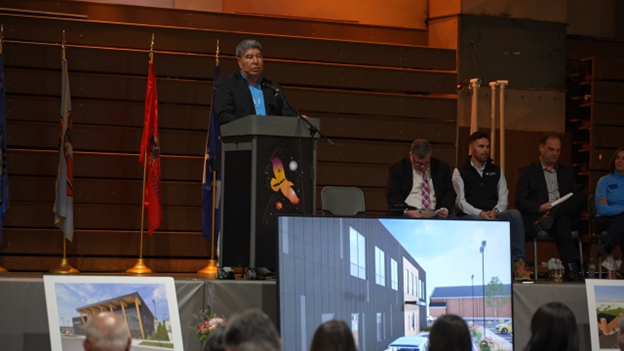
Leonard Smith Jr, the CEO of the Billings Urban Indian Health and Wellness Center, speaks at groundbreaking ceremony.

The expansion of the Billings Urban Indian Health and Wellness Center with the new Eagle Seeker Clinic marks a significant milestone for urban Native health in Montana. As most American Indian and Alaska Native people live in urban areas, the development of spaces that honor culture, expand services, and strengthen access to care is essential. This new clinic reflects a community-driven vision for a setting where relatives can receive medical, behavioral health, and wellness services in an environment built with their needs at the forefront. The Eagle Seeker Clinic will allow the organization to grow its programs, increase its capacity, and continue offering care that is culturally grounded and responsive.

NCUIH commends the leadership and staff in Billings for advancing an effort that demonstrates what is possible when communities advocate for the resources and infrastructure they deserve. This investment will benefit Native people in Billings for generations to come.

Indian Health Service Releases Agency Realignment Narrative and Re-Org Chart, Announces Expanded Schedule for Tribal Consultations

On December 5, 2025, the IHS Chief of Staff released a letter to Tribal and Urban Indian Leaders in response to requests for additional opportunities and added more in-person sessions and a virtual Tribal Consultation. The IHS also released a realignment narrative and a draft re-organization chart. It is noted a third enclosure of Frequently Asked Questions will be posted soon.

The letter states:

The IHS will now host a total of nine Consultation sessions, which include the five originally announced on November 13 and four additional sessions requested by Tribes and Urban Indian Organizations, including a virtual Consultation. Supporting materials include an executive narrative, a draft organizational chart, and frequently asked questions available as “Enclosures” at www.ihs.gov/newsroom/triballeaderletters.

Additional Information

IHS

The IHS Chief of Staff writes to Tribal Leaders and Urban Indian Organization Leaders to announce an expanded schedule of Tribal Consultations and Urban Confer to seek your engagement on the proposed IHS realignment.

NCUIH

Indian Health Service Announces Next Phase of Agency Realignment, Invites Tribal and Urban Leader Feedback (November 30, 2025)

  • NCUIH submitted comments in response to the first round of confer on August 28, 2025, and recommended additional consultation and confers to provide more opportunities for feedback.

New Mental Health App for Native Veterans

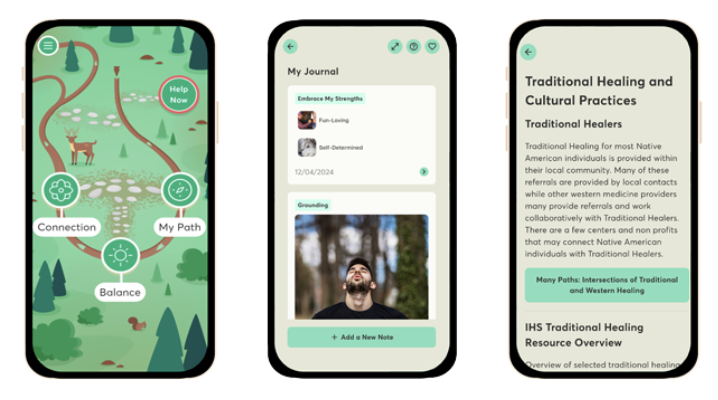
The Department of Veterans Affairs has launched the Veterans Wellness Path app, created with input from Native American and Alaska Native Veterans. The app supports the transition from military service to home and offers tools to strengthen balance and connection with self, family, community, and environment. Features include daily check-ins, wellness tips, and support for issues like PTSD. Developed by VA’s Office of Rural Health in partnership with the National Center for PTSD’s Mobile Mental Health Program, the app is available to any Native Veteran seeking mental health support.

CMS Releases Informational Bulletin about Medicaid Provisions with Summary of Tribal Exceptions in the One Big Beautiful Bill Act

The Centers for Medicare & Medicaid Services (CMS) recently released an informational bulletin outlining updates to Medicaid and CHIP included in the One Big Beautiful Bill Act, which is also known as the “Working Families Tax Cut” legislation. The bulletin features a summary of exceptions for American Indian and Alaska Native people in the Act (see page 32). CMS notes that it is still reviewing how these provisions affect AI/AN Medicaid beneficiaries and is committed to collaborating with tribes to develop further guidance. NCUIH has advocated to CMS to continue to consult with Tribes to ensure proper implementation of exemptions for American Indian and Alaska Native people.

Additional Information

On July 4, 2025, the President signed the One Big Beautiful Bill Act (OBBBA) into law. The OBBBA is a major bill that delivers many elements of President Trump’s legislative agenda, including new requirements for access to Medicaid and SNAP. Fortunately, Indians, Urban Indians, California Indians, and individuals determined eligible as an Indian for the Indian Health Service under regulations promulgated by the Secretary are exempted from the Medicaid requirements in the OBBBA and included in exemptions for the Supplemental Nutrition Assistance Program (SNAP) work requirements.

IHS Chief of Staff Clayton Fulton Assumes Acting Director Role During Leadership Transition

On December 2, 2025, the Indian Health Service (IHS) announced that Clayton Fulton, Chief of Staff for IHS, will assume all delegable authorities, duties, and functions of the IHS director as the agency in the absence of confirmed director. This delegation was made by the U.S. Department of Health and Human Services (HHS) HHS Secretary Robert F. Kennedy, Jr and will remain in place while the IHS director position continues to be vacant. At this time, the Administration has not submitted a nominee for the director position.

It was also announced that as part of the leadership shift, Benjamin Smith will return to his role as deputy director, and Darrell LaRoche will resume his position as deputy director for management operations. Additionally, Dr. Rose Weahkee concludes her service in an acting leadership capacity. Fulton expressed sincere gratitude for the dedication and leadership demonstrated by each of these individuals, especially during a time marked by significant responsibility. He also extended appreciation for their steadfast commitment to the agency and Tribal Nations.

Fulton emphasized that the mission of the Indian Health Service remains strong and unchanged. “We remain fully committed to upholding the government-to-government relationship and ensuring continuity of services and operations across the Indian health system. The work of raising the physical, mental, social, and spiritual health of American Indians and Alaska Natives to the highest level continues to guide every decision we make,” Fulton stated.

A citizen of the Cherokee Nation, Fulton holds a Juris Doctor from the University of Michigan Law School and an MBA from Northeastern State University. He reaffirmed his dedication to maintaining transparency, partnership, and open communication throughout the transition. “You have my commitment that IHS will maintain transparency, partnership, and open communication throughout this period. I look forward to continuing our work together to advance tribal health priorities and to support the delivery of high-quality, culturally grounded care across all our service areas,” he said.

Read more: https://www.ihs.gov/newsroom/pressreleases/2025-press-releases/ihs-chief-of-staff-clayton-fulton-assumes-delegable-duties-of-agency-director/

Indian Health Service Announces Next Phase of Agency Realignment, Invites Tribal and Urban Leader Feedback

Four In-Person Consultations and One Virtual Session Scheduled Across the Country

On November 13, 2025, Acting Director Ben Smith of the Indian Health Service (IHS) sent a letter to Tribal Leaders and Urban Indian Organization Leaders announcing the next phase in the Agency’s proposed realignment. This initiative, first introduced in the summer of 2025, is stated with an intent “to transform the IHS into a more patient-centered, self-determination-driven, operationally efficient, and fiscally sustainable health care system”.

Director Smith’s letter emphasized the Agency’s commitment to high-quality, culturally responsive care and thanked Tribal and Urban Leaders for their active engagement and thoughtful input during the initial round of Tribal Consultation and Urban Confer. He noted that feedback received made it clear that a second round of consultation would be valuable as more details about the realignment structure become available.

NCUIH submitted comments in response to the first round of confer on August 28, 2025, and recommended additional confers to provide more opportunities for feedback.

According to IHS, the realignment seeks to modernize the Agency, enhance accountability, and better align leadership functions with its contemporary mission. Smith highlighted the importance of clarifying roles, reducing administrative burdens, and allowing leaders at both headquarters and in the field to focus on policy, oversight, and partnership. The letter states that approximately 62 percent of the IHS budget is managed by Tribes and Tribal organizations through Title I contracts and Title V compacts under the Indian Self-Determination and Education Assistance Act (ISDEAA), while the remaining 38 percent supports federally operated IHS hospitals, health centers, and programs. These statistics are provided as reasoning for the need to modernize the Agency.

“This modernization will strengthen patient care within IHS-operated facilities and elevate the Agency’s inherent Federal functions—ensuring that we are an effective partner and support system for self-determination, no matter how each Tribe chooses to exercise that right,” Smith wrote.

IHS will hold four in-person Tribal Consultation sessions and one virtual Urban Confer session.

Feedback from the sessions and written comments must be submitted by February 9, 2026. Comments for the Tribal Consultation should be emailed to consultation@ihs.gov, and Urban Confer comments to urbanconfer@ihs.gov, with the subject line “IHS Proposed Realignment.”

After the comment period, IHS will begin an internal deliberation phase to review all feedback before moving forward with the finalization and implementation of the realignment plan.

Resource: Overview of the One Big Beautiful Bill Act Exemptions for American Indian and Alaska Native People 

On July 4, 2025, the President signed the One Big Beautiful Bill Act (OBBBA) into law. The OBBBA is a major bill that delivers many elements of President Trump’s legislative agenda, including new requirements for access to Medicaid and SNAP. Fortunately, Indians, Urban Indians, California Indians, and individuals determined eligible as an Indian for the Indian Health Service under regulations promulgated by the Secretary are exempted from the Medicaid requirements in the OBBBA and included in exemptions for the Supplemental Nutrition Assistance Program (SNAP) work requirements. 

Community Engagement Requirements for Certain Medicaid Beneficiaries 

What it Does: States are required to implement community engagement and work requirements for able-bodied adults without dependents beginning after December 31, 2026. Compliance may be achieved through working, volunteering, or participating in a work program for at least 80 hours/month; or enrolling in an educational program at least half-time. 

AI/AN People Exempted:The bill exempts American Indian and Alaska Native beneficiaries from these requirements.

Medicaid Redetermination Period 

What it does: State are required to conduct eligibility redeterminations at least every 6 months for Medicaid expansion adults beginning after December 31, 2026.  

AI/AN People Exempted: The bill exempts American Indian and Alaska Native beneficiaries from these requirements and maintains the 12-month Medicaid eligibility redetermination cadence.   

Modifications to SNAP Work Requirements for Able-Bodied Adults 

What it does: The provision institutes exemptions to the SNAP work requirements for able-bodied adults. 

AI/AN People Exempted: The bill exempts American Indian and Alaska Native beneficiaries from work requirements as part of SNAP eligibility.

Cost Sharing Requirements Under the Medicaid Program 

What it Does: States are required to impose cost sharing on Medicaid Expansion adults with incomes 100 – 138 percent of the federal poverty level (FPL). This cost-sharing is capped at $35 per service and may not exceed five percent of the individual’s income. 

Impact on Indian Country: The American Recovery and Reinvestment Act of 2009 mandates “no cost sharing for items or services furnished to Indians through Indian health programs.” This will remain in place. 


Download One Pager