Special Diabetes Program for Indians Faces Funding Cliff Without Congressional Reauthorization

The Consolidated Appropriations Act, 2026 (P.L. 119-75), signed into law in February 2026, reauthorized the Special Diabetes Program for Indians (SDPI) at $200 million per year — a 25% increase and the highest funding level in program history. The law also sets the stage for a critical decision point: SDPI’s authorization expires December 31, 2026, and without further Congressional action, the program will lose all funding authority on January 1, 2027.

SDPI is authorized under Section 330C of the Public Health Service Act. The $49.4 million reflected in the FY 2027 President’s Budget represents approximately one quarter of the annual $200 million level — roughly three months of funding before the authorization expires — minus $1 million in automatic sequestration cuts. The Office of Management and Budget (OMB) also elected not to include any mandatory program funding projections across the government in this year’s budget submission, which further contributes to SDPI appearing as a reduction.

Thirty-one Urban Indian Organizations (UIOs) receive SDPI grants. A lapse in authorization would cut off diabetes prevention and treatment services at tribal and urban Indian programs.

Congressional Action

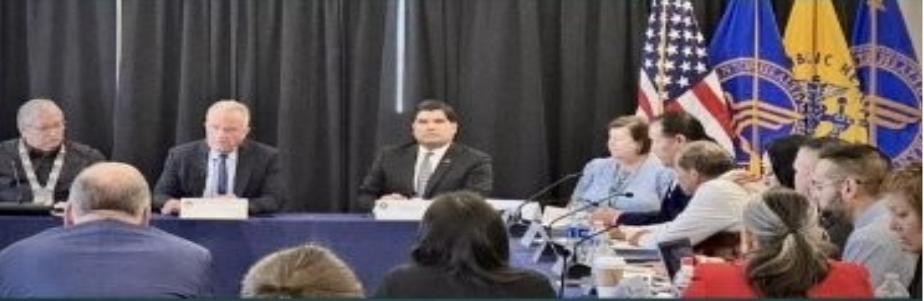
At the April 21, 2026, Senate Appropriations Subcommittee on Labor, Health and Human Services, Education, and Related Agencies (LHHS) hearing on the FY 2027 HHS budget, Senator Jeanne Shaheen (D-NH) raised SDPI as part of a broader statement on the administration’s proposed cuts to diabetes prevention and research. Noting that 42 million Americans are currently living with diabetes and that American Indian and Alaska Native communities face disproportionately high rates of the disease, Senator Shaheen highlighted the apparent 75% reduction to SDPI alongside the elimination of CDC diabetes education programs and the termination of a major diabetes and dementia research study. Senator Shaheen, along with Senator Susan Collins (R-ME), led the bipartisan effort that secured the most recent SDPI reauthorization and the $200 million funding level enacted in February 2026.

Pending Legislation

On July 8, 2025, Senators Collins and Shaheen introduced S. 2211, the Special Diabetes Program Reauthorization Act of 2025, to reauthorize both the Special Diabetes Program for Type 1 Diabetes and the Special Diabetes Program for Indians. The bill was referred to the Senate Committee on Health, Education, Labor, and Pensions (HELP), where it remains pending. A House companion bill, H.R. 5461, was also introduced. The legislation has drawn bipartisan support, with 11 cosponsors across both parties. Congress must pass reauthorization legislation before December 31, 2026, to prevent a lapse in program authority.

Background

SDPI was established to address the disproportionately high rates of diabetes among American Indian and Alaska Native populations. The program funds prevention, treatment, and education initiatives at tribal and urban Indian health programs across the country. As a mandatory appropriation, SDPI requires periodic Congressional reauthorization to continue — it does not renew automatically each year like discretionary programs.

Next Steps

Congress must act to pass S. 2211 or comparable reauthorization legislation before December 31, 2026, to prevent a lapse in program authority. NCUIH will continue to monitor SDPI reauthorization efforts and advocate for continuation of the program at the full $200 million funding level.

image_pdfPDFimage_printPrint

IHS Announces SDPI Grant Supplements, Consultation and Confer

On May 21, 2026, the Indian Health Service (IHS) issued a Dear Tribal Leader and Urban Indian Organization Leader letter announcing two significant actions related to the Special Diabetes Program for Indians (SDPI): administrative grant supplements for all current grantees and a commitment to Tribal Consultation and Urban Confer on additional funding. The letter was signed by IHS Chief of Staff Clayton Fulton.

Background

The Consolidated Appropriations Act, 2026 (P.L. 119-75), signed into law in February 2026, reauthorized SDPI at $200 million per year — a $41 million increase above the prior funding level and the highest authorization in program history. The law also provided $50 million for the first three months of FY 2027, extending authorization through December 31, 2026.

SDPI is authorized under Section 330C of the Public Health Service Act. Unlike discretionary programs, SDPI requires periodic Congressional reauthorization to continue and does not renew automatically. Thirty-one Urban Indian Organizations (UIOs) are among the 310 current SDPI grant recipients. SDPI grants are awarded on a calendar year cycle, distinct from the federal fiscal year appropriations cycle.

IHS Actions

Administrative supplements. IHS will distribute 25 percent administrative supplements to all 310 current SDPI grant recipients, drawing on one-time unobligated carryover SDPI funding. Remaining CY 2026 annual grant funding will be made available to recipients on or before June 30, 2026.

Tribal Consultation and Urban Confer. IHS announced its intention to conduct Tribal Consultation and Urban Confer regarding the use of additional SDPI funds resulting from the FY 2026 reauthorization increase. Details on the process will be forthcoming.

TLDC Engagement

The IHS Tribal Leaders Diabetes Committee (TLDC) is charged under IHS Circular 25-11 with making recommendations to the IHS Director on the distribution of SDPI funds and broad-based policy and advocacy priorities related to diabetes in American Indian and Alaska Native (AI/AN) communities. The TLDC has been actively engaged with IHS on SDPI funding administration. NCUIH serves as a technical advisor to the TLDC, representing the interests of urban AI/AN communities and the UIOs that serve them.

Next Steps

NCUIH will continue to monitor developments related to SDPI reauthorization, the forthcoming Tribal Consultation and Urban Confer process, and IHS’s administration of SDPI funding.

image_pdfPDFimage_printPrint

NCUIH Honors Senator Tina Smith for Her Leadership and Legacy in Urban Indian Health

FOR IMMEDIATE RELEASE

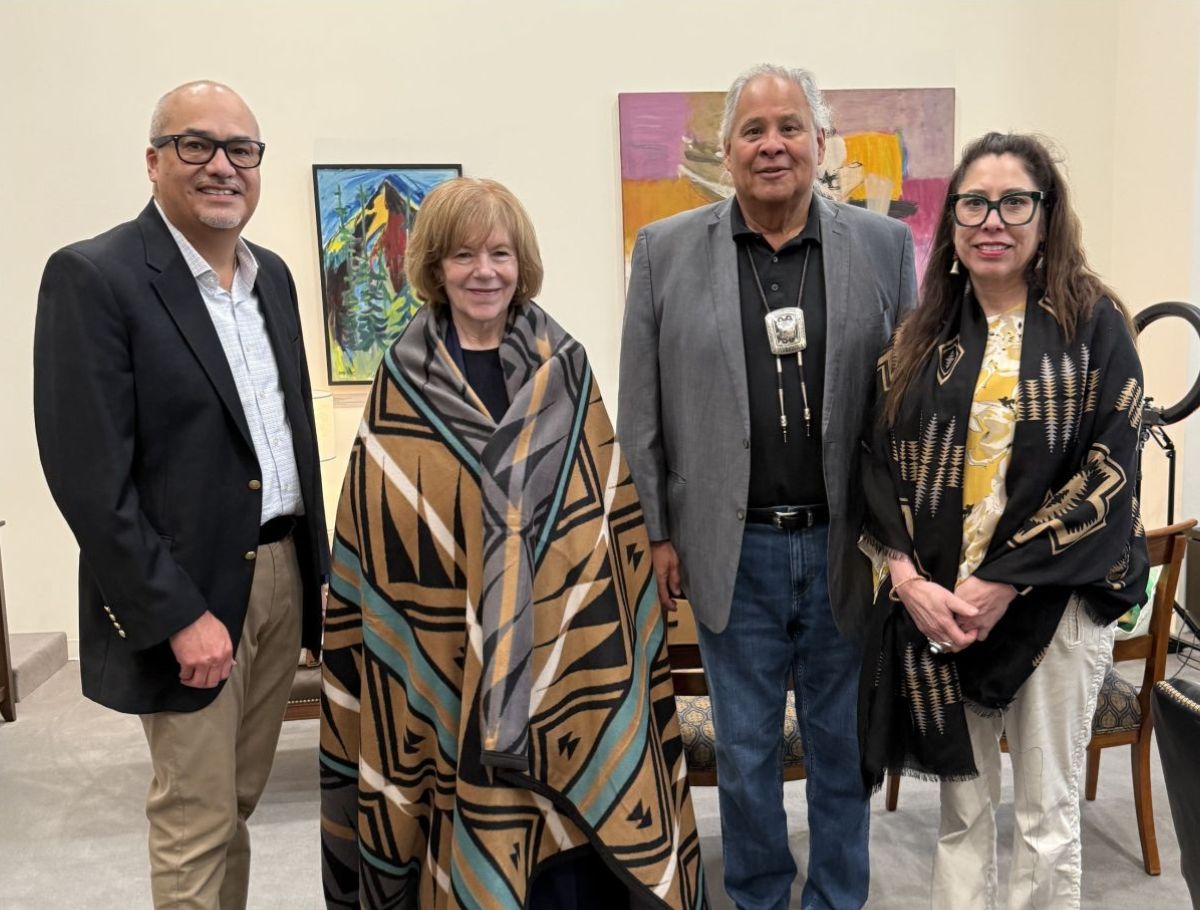
WASHINGTON, D.C. (May 20, 2026)– The National Council of Urban Indian Health (NCUIH) presented the Urban Indian Health Champion Award to Senator Tina Smith (D-MN) during NCUIH’s 2026 Annual Conference.

For years, Senator Smith has shown up for urban Indian health in ways that matter. In 2020, she co-introduced the bipartisan Coverage for Urban Indian Health Providers Act, which extended Federal Tort Claims Act (FTCA) coverage to Urban Indian Organizations (UIOs), a concrete win for UIOs and the communities they serve. That victory is just one example of the impactful change Senator Smith has worked to deliver for Indian Country.

From Left to Right: Dr. Patrick Rock CEO Indian Health Board of Minneapolis (IHB) (Leech Lake Band of Ojibwe), Senator Tina Smith, Joni Buffalohead, Chairwoman (Sisseton Wahpeton Oyate), Mike Goze, IHB Board member (Ho-Chunk Nation of Wisconsin)

Year after year, Senator Smith has also led the Senate Dear Colleague letter to the Interior Appropriations Subcommittee, which requested the maximum funding for urban Indian health and advance appropriations for the Indian Health Service. It is a consistent, reliable act of leadership that UIOs across the country depend on.

As Senator Smith prepares to conclude her Senate service at the end of her term, this award also celebrates her legacy. Over the course of her tenure, she has helped transform how Congress thinks about urban Indian health. We are deeply grateful for everything she has done for urban Indian communities and honored to recognize her with this award.

About NCUIH

The National Council of Urban Indian Health (NCUIH) is a national representative for the 41 Urban Indian Organizations contracting with the Indian Health Service under the Indian Health Care Improvement Act. NCUIH is devoted to the support and development of high quality and accessible health and public health services for American Indian and Alaska Native people living in urban areas.

NCUIH respects and supports Tribal sovereignty and the unique government-to-government relationship between our Tribal Nations and the United States. NCUIH works to support those federal laws, policies, and procedures that respect and uplift Tribal sovereignty and the government-to-government relationship. NCUIH does not support any federal law, policy, or procedure that infringes upon or in any way diminishes Tribal sovereignty or the government-to-government relationship.

###

NCUIH Contact: Meredith Raimondi, Vice President of Policy and Communications, mraimondi@ncuih.org

image_pdfPDFimage_printPrint

Urban Indian Organizations’ Programming Profile

Urban Indian Organizations (UIOs) provide critical health care services to AI/AN people living in their service areas. UIOs play a vital role in upholding the federal trust responsibility that the United States (U.S.) Government holds with Tribes and American Indian/Alaska Native (AI/AN) people, as the large majority of AI/AN people live in urban areas. Currently, 41 UIOs are contracted with the Indian Health Service (IHS) under Title V of the Indian Health Care Improvement Act (IHCIA), representing 38 different urban areas within the U.S. These 41 UIOs consist of four different program types:

  • Full ambulatory facilities (24)
  • Limited ambulatory facilities (seven)
  • Residential and inpatient treatment facilities (five)
  • Outreach and referral facilities (five)

In 2025, the National Council of Urban Indian Health (NCUIH), reviewed all UIO services and programs provided as described on UIO websites, social media, and federal grant funding information databases. This overview of services demonstrates the wide range of multi-disciplinary programming that UIOs bring to their communities, with 80 percent of UIOs offering care for all four programming types: medical services, behavioral health services, social services, and traditional health practices.

Medical Services

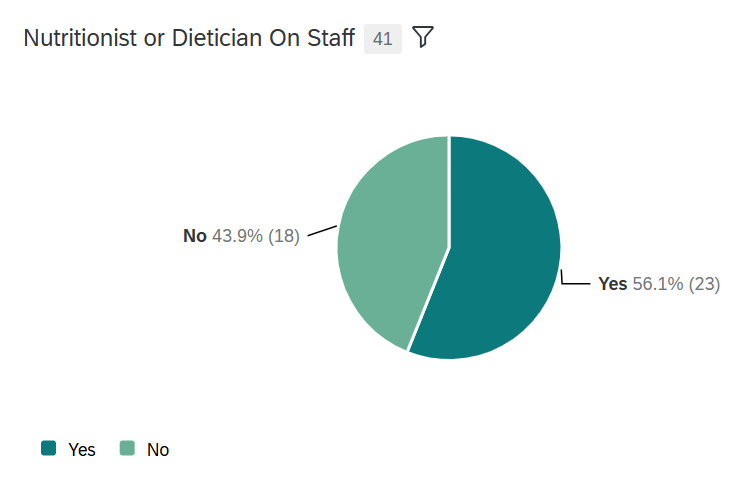
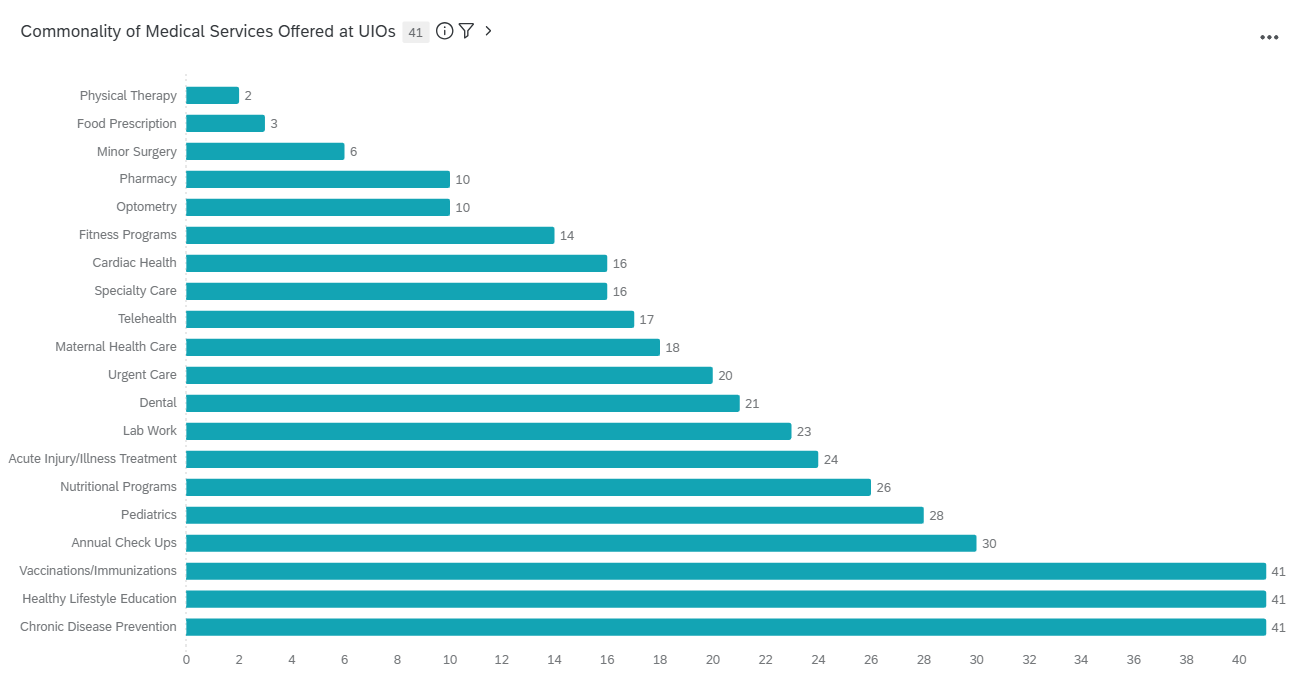
All UIOs offer immunizations, healthy lifestyle programming, and chronic disease prevention programming.  Outside of those fundamentals, 85 percent of UIOs provide direct primary care services such as chronic disease management, regular physicals, urgent care, screenings, lab services, , and pregnancy and postpartum care.  The Special Diabetes Program for Indians (SDPI) is at 78 percent of UIOs, an embodiment of the unique care that UIOs provide their patients that utilizes strengths within Indigenous communities to promote wellness while also managing existing chronic diseases like diabetes. SDPI allows for indigenized diabetes care, so programs not typically allowed from standard grant sources like Indigenous food cooking classes to help manage A1C levels, community gardens, traditional dancing classes for fitness, and culturally based youth groups all are incorporated into diabetes prevention and management programs. When programs are specifically tailored to the communities they serve and incorporate community and culture, this can increase participation and patient buy in (National Council of Urban Indian Health, 2024).

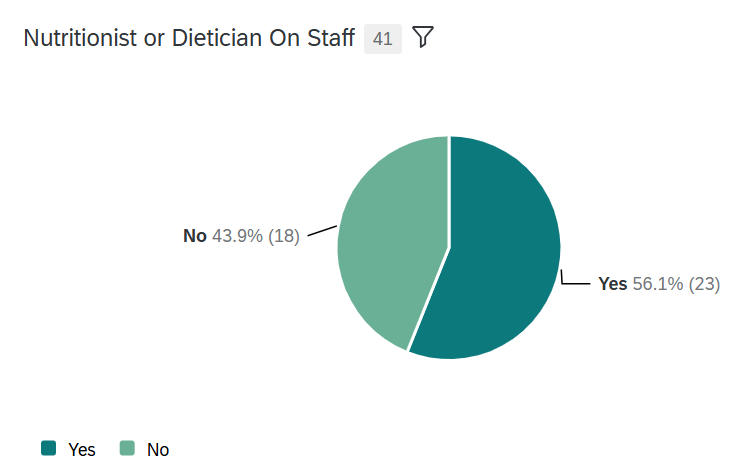
Some UIOs with advanced service providers provide specialty care for their patients with many sites offering services such as nutritionists/dietician visits, dental care, optometry, and minor surgeries in house.  Several UIOs even include their own pharmacy, increasing accessibility and affordability for patients, which allows for supportive pharmacy-assisted chronic disease monitoring. Novel medical programs at UIOs include food prescription programs and mobile health vans increasing accessibility to care and promoting the inclusion of larger social drivers of health in healthcare programming.

Figure 1. Urban Indian organizations with a nutritionist or dietician on staff.
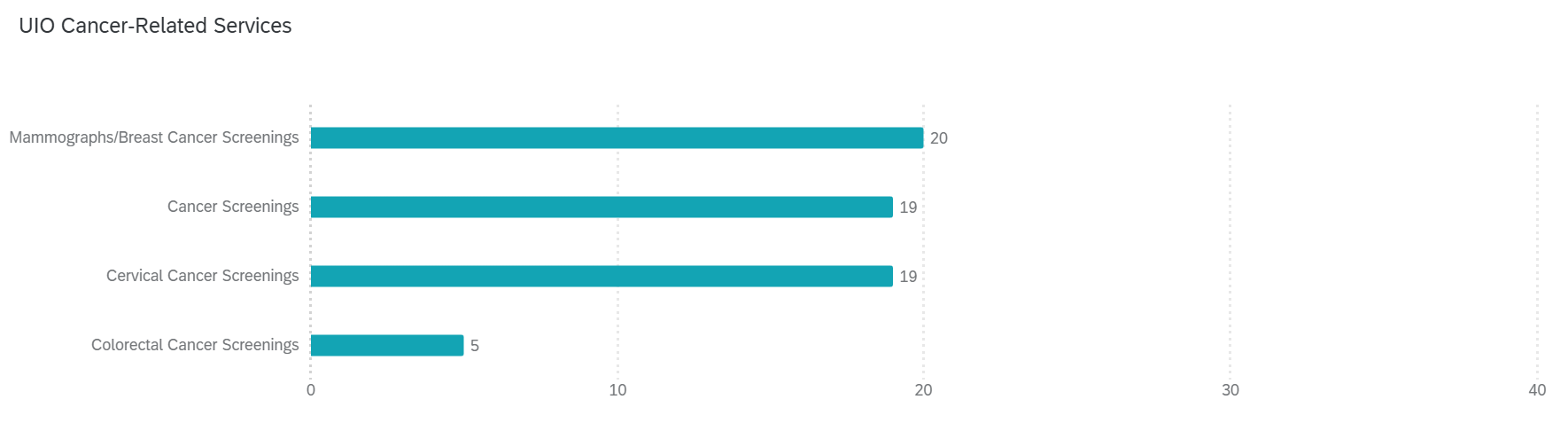
Interestingly, a little under half of UIOs provide cancer-related prevention services (49 percent) for their community members, which includes breast and cervical cancer screenings.  An uncovered unmet need is in identifying colorectal cancer in urban AI/AN people, as the ability to test is only at 12 percent of UIOs.  These services are less common because they are underfunded, not because they are not needed, and more funding and partnerships would bring more access to this area.

Figure 2. Urban Indian organizations’ cancer-related services offered
 

UIO providers emphasize the importance of their facilities offering care in house rather than referring out to ensure patient continuity of care, maintaining and strengthening patient relationships, and ensuring that care is culturally relevant for their patients. These medical services support all generations within these UIO communities bolstering much needed disease treatment and preventative care.

Figure 3. Commonality of medical services offered at urban Indian organizations
Behavioral Health Services

Behavioral health services are fundamental care at UIOs. All UIOs offer general counseling, with an emphasis on substance use disorders, and care for domestic violence/sexual assault victims. Counseling services vary in structure, with some offering family counseling, individualized counseling, and more. Other popular behavioral health services include consultation and assessment for diagnosis, support groups, intensive outpatient care, community education, and youth programs focused on promoting positive mental health practices for prevention.

Social Services

Figure 4. Urban Indian organizations with case workers or social workers available
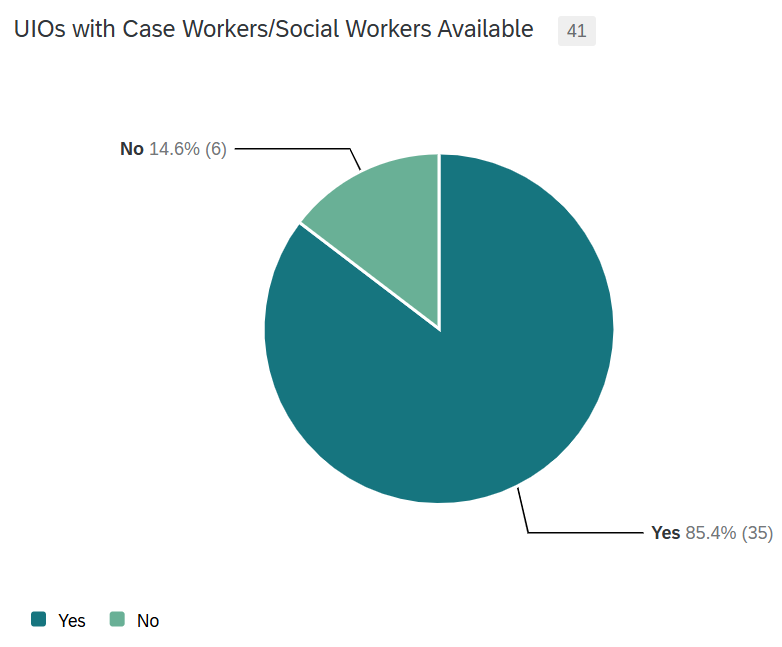
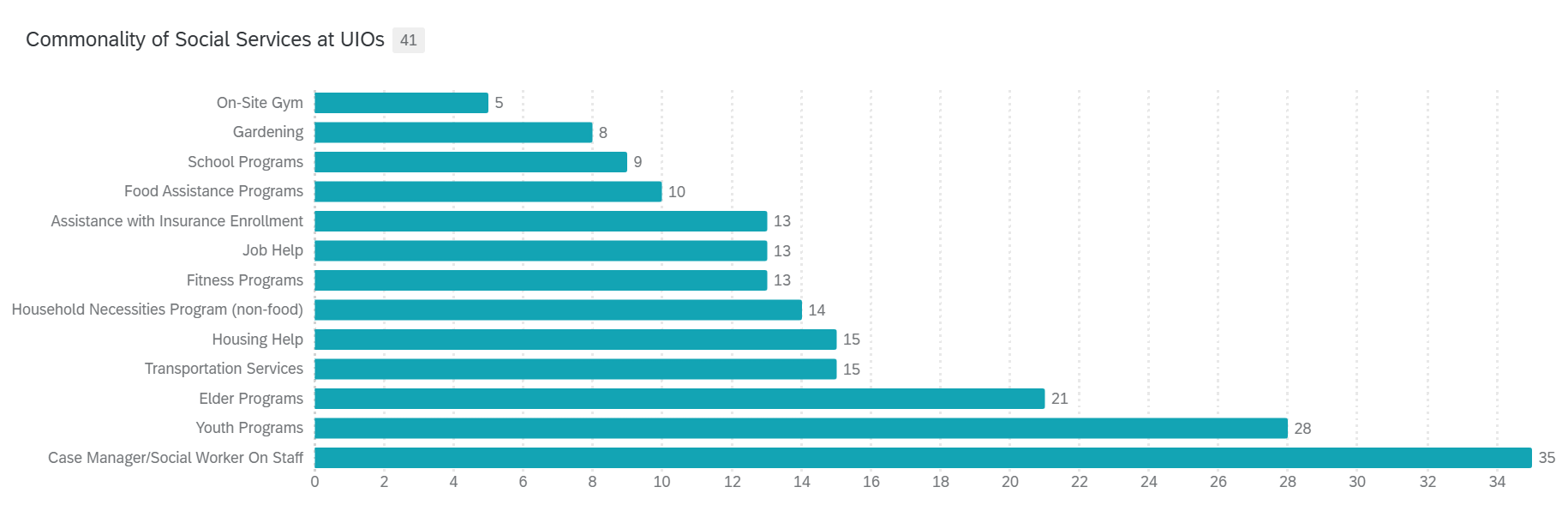
With a holistic approach to health, non-medical factors must also be addressed to provide the best care for patients. UIOs offer a variety of social services to ensure all the needs of their patients are met. This approach to care is exemplified by the 85 percent of UIOs that employ social workers or case workers for their patients. Other popular social services at UIOs include assistance with insurance enrollment, transportation to care, support with housing and other necessities, and elder programs. While not as common, a few UIOs are able to offer housing for their community, directly addressing the larger non-medical needs of their patients that impact health and wellness.

Figure 5. Commonality of social services offered at urban Indian organizations
Traditional Healing

UIOs are set apart from standard health organizations as seen through the culturally relevant care they provide to their community. Many Urban Native people are unable to participate in traditional healing or ceremony due to living away from their Tribal communities, but almost all UIOs (95 percent) offer different ways to reconnect their patients with Traditional Healing as part of their programming. This programming highlights the significance of UIOs within their communities, providing culturally relevant care that is grounded in Indigenous concepts and practices of wellness. Talking circles are the most common traditional practice, with 61 percent of UIOs offering this practice. Traditional healing-based substance use treatment programs (i.e. Wellbriety), traditional drumming, traditional medicines, traditional arts, and Indigenous foods are also common traditional healing-based programs and practices that UIOs provide for their patients.

As shared by UIO staff in NCUIH’s 2023 report, traditional healing is in high demand within UIO communities (National Council of Urban Indian Health, 2023b). It offers a mechanism to combat social isolation, strengthen community and cultural connection, and promote wellness (National Council of Urban Indian Health, 2023b). However, many of these programs, as well as standard health services, are underfunded at UIOs, making it difficult for UIOs to fully meet the needs of the communities they serve (National Council of Urban Indian Health, 2023b).

Funding

It is vital that UIOs receive stable and sustained funding for their work to maintain their work in promoting healthier communities and providing life-saving care. Outside of IHS, Medicaid and the Children’s Health Insurance Program (CHIP) are the largest sources of funding for UIOs (National Council of Urban Indian Health, 2023a). Medicaid and CHIP reimbursement supplement the chronically low congressional appropriations to UIOs. Increased ability for Centers for Medicare & Medicaid Services (CMS) to reimburse for UIO services, like applying 100 percent federal medical assistance (FMAP) percentage would better support the work UIOs do to combat health disparities.

Many UIO programs and services are also funded through grants, but sustainability and relevance of grant opportunities do not always match the needs of AI/AN communities. Grants should adapt to better suit the Native communities they wish to support by extending grant life cycles, allowing funding for cultural activities and priorities, and increasing focus on preventative health programming (National Council of Urban Indian Health, 2023b).

UIO leaders outlined their priorities for 2026 with NCUIH with the top items emphasizing funding:

  • increasing congressional funding for Urban Indian Health
  • securing 100 percent federal medical assistance percentage (FMAP)
  • increasing general behavioral health funding (National Council of Urban Indian Health, 2025)

Despite the limited funding allocated to them, UIOs are integral parts of the AI/AN communities they serve and do much with the fraction of need provided. With more AI/AN people living away from Tribal lands, and thus Tribal health and IHS facilities, it is necessary that funding for AI/AN healthcare reflects the need for greater urban funding to uphold the trust responsibility to urban AI/AN people. By embracing an Indigenous holistic approach to care, UIOs uplift Urban AI/AN people when they most need it.

To cite information about UIO services and programming as detailed in this blog post, please use the following citation:

National Council of Urban Indian Health (2026). Urban Indian Organizations’ Programming Profile. https://ncuih.org/2026/05/18/urban-indian-organizations-programming-profile/

Citations:

National Council of Urban Indian Health. (2023a). An Overview of the Impact of Medicaid on Health Care for American Indians and Alaska Natives. https://ncuih.org/wp-content/uploads/Impact-Medicaid_NCUIH_D329_F2.pdf

National Council of Urban Indian Health. (2023b). (rep.). Recent Trends in Third Party Billing: Thematic Analysis of Traditional Healing Programs at Urban Indian Organizations and Meta-Analysis of Health Outcomes. Retrieved from https://ncuih.org/wp-content/uploads/03.25.24-FINAL-design-of-2023-TH-Report.pdf.

National Council of Urban Indian Health. (2024). (rep.). Recent Trends in Third Party Billing: Thematic Analysis of Traditional Food Programs at Urban Indian Organizations and Research on Traditional Healing. Retrieved 2026, from https://ncuih.org/wp-content/uploads/Traditional-Food-Report-NCUIH-D507_F2.pdf.

National Council of Urban Indian Health. (2025, November). Summary of NCUIH Policy Priorities Survey for 2026.
image_pdfPDFimage_printPrint

Murkowski, Tillis, Murray, and Cortez Masto Introduce Bipartisan Bill to Strengthen Urban Indian Organization Workforce

U.S. Senators Lisa Murkowski (R-AK), Patty Murray (D-WA), Thom Tillis (R-NC), and Catherine Cortez Masto (D-NV) have introduced bipartisan legislation to allow U.S. Public Health Service Commissioned Corps officers (PHSCOs) to be detailed directly to Urban Indian Organizations (UIOs).

Recently, Secretary Kennedy assigned 70 officers to Indian Health Service facilities to help stabilize staffing needs. Allowing PHCSOs to be detailed directly to UIOs is a longstanding priority that would improve capacity to serve patients and families.

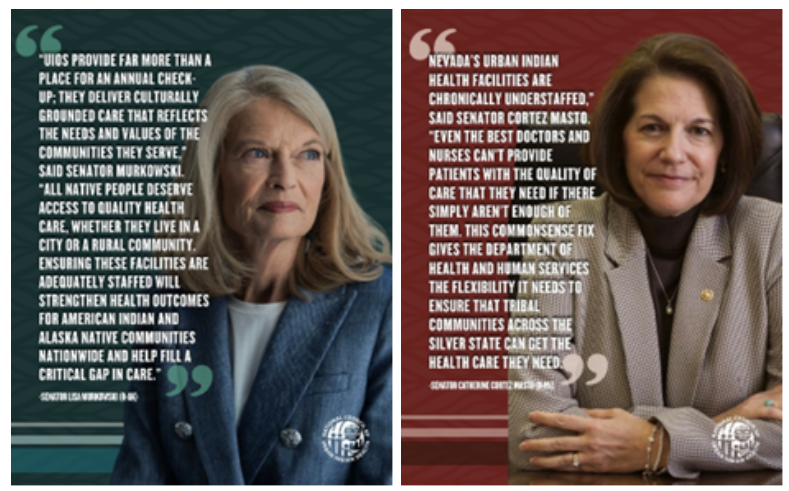
“UIOs provide far more than a place for an annual check-up; they deliver culturally grounded care that reflects the needs and values of the communities they serve,” said Senator Murkowski. “All Native people deserve access to quality health care, whether they live in a city or a rural community. Ensuring these facilities are adequately staffed will strengthen health outcomes for American Indian and Alaska Native communities nationwide and help fill a critical gap in care.”

“Nevada’s Urban Indian health facilities are chronically understaffed,” said Senator Cortez Masto. “Even the best doctors and nurses can’t provide patients with the quality of care that they need if there simply aren’t enough of them. This commonsense fix gives the Department of Health and Human Services the flexibility it needs to ensure that Tribal communities across the Silver State can get the health care they need.”

“We are grateful to Senators Murkowski, Murray, Tillis, and Cortez Masto for championing this bipartisan effort to allow U.S. Public Health Service Commissioned Officers to be detailed directly at urban Indian organizations. Due to limited funding, Urban Indian Organizations continue to face significant challenges in recruiting and retaining skilled health care professionals, and detailing Commissioned Officers help them address workforce shortages and increase collaboration across the federal health care system. We urge Congress to pass this legislation swiftly so that Urban Indian Organizations can benefit from this vital workforce support.” — Francys Crevier (Algonquin), CEO of NCUIH

Background

The Public Health Services for Advancing Care and Creating Efficient Support Systems in Underserved Communities Act, or the PHS ACCESS Act, would amend Section 214 of the Public Health Service Act to formally authorize the Health and Human Services (HHS) Secretary to detail PHCSOs to UIOs to perform work related to the functions of HHS. Detailing officers to UIOs would help address persistent workforce shortages at UIOs, bring skilled, federally-supported clinicians and public health professionals into urban Indian health settings, and strengthen coordination across the broader Indian health system.

Next Steps

The bill has been referred to the Senate Committee on Health, Education, Labor, and Pensions. The bill will need to be passed out of the Committee before receiving full consideration from the Senate.

image_pdfPDFimage_printPrint

NCUIH 2026-2027 Policy Priorities Released: Need for Full and Stable IHS Funding, Medicaid Parity for UIOs, and Investments in Native Behavioral Health Programs

The National Council of Urban Indian Health (NCUIH) is pleased to announce the release of its 2026-2027 Policy Priorities document, which outlines a summary of urban Indian organization (UIO) priorities for the Executive and Legislative branches of the government. These priorities were informed by NCUIH’s 2025 Policy Assessment.

NCUIH hosted five focus groups and conducted a nationwide survey to identify and rank UIO policy priorities for 2026, as they relate to Indian Health Service (IHS)-designated facility types (full ambulatory, limited ambulatory, outreach and referral, and outpatient and residential). The result is a focused, member-driven agenda. NCUIH worked with UIOs to identify five top policy priorities for 2026-2027:

  • Increasing Funding for IHS and the Urban Indian Health Line Item
  • Establishing Permanent Full (100%) FMAP for Medicaid Services at UIOs
  • Increasing Behavioral Health Funding
  • Stability in Federal Grants
  • Health Information Technology and Electronic Health Record Improvement

2026-2027 Policy Priorities:

FULLY FUND THE INDIAN HEALTH SERVICE (IHS) & URBAN INDIAN HEALTH AT THE AMOUNTS REQUESTED BY TRIBES

Implement Tribal Funding Priorities for the Indian Health Service and Urban Indian Health

  • Support the Tribal Budget Formulation Work Group request of $73 billion for IHS and $1.09 billion for the Urban Indian Line Item for FY 2027.
  • Maintain Advance Appropriations for the Indian Health Service to Insulate the Indian Health System from Government Shutdowns and to Protect Patient Lives.
  • Reclassify Contract Support Costs and 105(l) Leases to Mandatory Appropriations.

MEETING THE TRUST OBLIGATION FOR IHS-MEDICAID BENEFICIARIES RECEIVING SERVICES AT URBAN INDIAN ORGANIZATIONS

Uphold the Trust Obligation for IHS-Medicaid Beneficiaries Receiving Services at Urban Indian Organizations

  • Provide 100% Federal Medical Assistance Percentage (FMAP) for Services at UIOs and Ensure Proper Implementation of Medicaid Obligations for Services Provided at Urban Indian Organizations under H.R. 1.
  • Pass the Urban Indian Health Parity Act to Ensure Permanent Full (100%) FMAP for Services Provided at UIOs.
  • Ensure that HHS and CMS Issue Binding Guidance to States to Automatically Exempt American Indian and Alaska Native Beneficiaries from H.R. 1 Work Requirements and Cost-Sharing.

IMPROVING BEHAVIORAL HEALTH FOR ALL AMERICAN INDIAN AND ALASKA NATIVE PEOPLE

Increase Funding for Behavioral Health and Substance Use Disorder Resources for American Indian and Alaska Native People

  • Appropriate $80 Million for Behavioral Health and Substance Use Disorder Resources for Native Americans.
  • Reintroduce and Co-Sponsor the Native Behavioral Health Access Improvement Act.
  • Protect Critical Programs Such as Native Connections from Any Funding Delays or Disruptions.

STABILIZE AND PROTECT FEDERAL GRANT FUNDING PATHWAYS

Stability in Federal Grants

  • Reduce Barriers to Access to Ensure Timely Distribution of Grant Funding.

HEALTH INFORMATION TECHNOLOGY AND ELECTRONIC HEALTH RECORD IMPROVEMENT

Bridging the Gap: Enhancing Patient Care by Advancing Health Information Technology

  • Appropriate Dedicated Funding for UIO and Tribal Health Care Providers to Offset HIT Modernization Costs, Including Costs Associated with Transitioning to or Achieving Interoperability with the New IHS Enterprise EHR System.
  • Ensure the PATH EHR is Fully Interoperable with the Diversity of COTS EHR Systems Currently in Use at UIOs and Tribal Facilities.
  • Develop a Pathway and Funding for UIOs Who Use COTS EHR Systems to Implement the PATH EHR If They Choose to Do So.
image_pdfPDFimage_printPrint

CMS Releases Guidance to States on Implementation of the One Big Beautiful Bill Act 6-Month Medicaid Redeterminations – Includes AI/AN Exemption

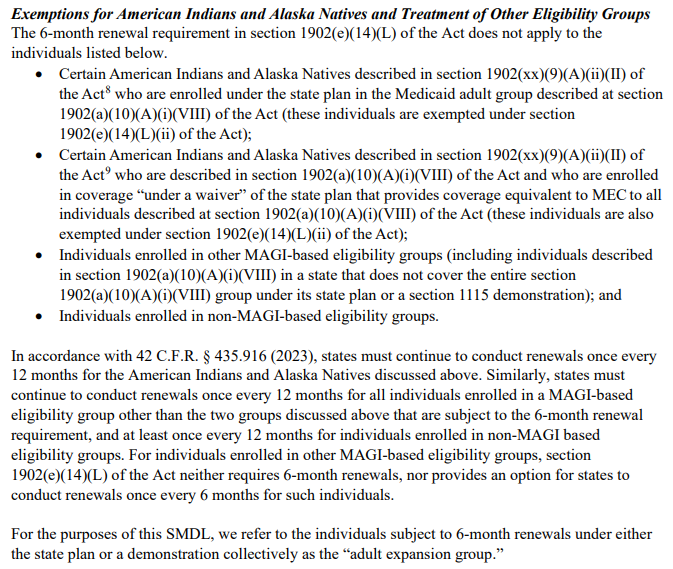
The Centers for Medicare and Medicaid Services (CMS) recently released a State Medicaid Director letter (SMDL) on implementing the eligibility redeterminations in Section 71107 of the One Big Beautiful Bill Act, which is also known as the “Working Families Tax Cut Legislation.” The SMDL includes a summary of the exemptions for American Indian and Alaska Native people from the 6-month renewal requirement (see page 4). NCUIH continues to urge CMS to continue to consult with Tribes to ensure proper implementation of exemptions for American Indian and Alaska Native people.

Additional Information

On July 4, 2025, the President signed the One Big Beautiful Bill Act (OBBBA) into law. The OBBBA is a major bill that delivers many elements of President Trump’s legislative agenda, including new requirements for access to Medicaid and SNAP. Fortunately, Indians, Urban Indians, California Indians, and individuals determined eligible as an Indian for the Indian Health Service under regulations promulgated by the Secretary are exempted from the Medicaid requirements in the OBBBA and included in exemptions for the Supplemental Nutrition Assistance Program (SNAP) work requirements.

image_pdfPDFimage_printPrint

21 Senators Request Protected Funding for IHS and Increased Resources for Urban Indian Health in FY 2027

On April 15, 2026, 20 Senators joined Senator Tina Smith (D-MN) in her letter to Chair Lisa Murkowski (R-AK) and Ranking Member Jeff Merkley (D-OR) of the Senate Interior Appropriations Committee requesting funding for urban Indian health at the highest level possible—up to the Tribal Formulation Workgroup’s request of $1,093,999,000—and retaining advance appropriations for the Indian Health Service (IHS) in the Fiscal Year (FY) 2027 Interior, Environment, and Related Agencies Appropriations Act.

The 21 Senators requested full funding for urban Indian health as part of the Tribal Formulation Workgroup’s topline request of $73,007,281,000 for IHS in FY 2027, and that such an increase not be paid for by diminishing funding for already hard-pressed IHS and Tribal providers. The letter also requests the Appropriations Committee maintain advance appropriations for IHS for FY 2028.

The letter emphasizes the critical role that Urban Indian Organizations (UIOs) play in the health care delivery to American Indian and Alaska Native patients and the importance of providing UIOs with the necessary funding to continue to provide quality, culturally competent care to their communities.

The letter also notes that chronic underfunding of IHS and urban Indian health has contributed to the health disparities among American Indian and Alaska Native people living in urban areas that suffer greater rates of chronic disease, infant mortality, and suicide compared to other populations.

This letter sends a clear and powerful message to Chair Murkowski and Ranking Member Merkley and the members of the Senate that funding for urban Indian health must be significantly increased to fulfill the federal government’s trust responsibility to provide quality healthcare to all American Indian and Alaska Native people.

NCUIH is grateful for the support of the following Senators:

  1. Tina Smith (D-MN)
  2. Maria Cantwell (D-WA)
  3. Mark Kelly (D-AZ)
  4. Kirsten Gillibrand (D-NY)
  5. Ben Ray Luján (D-NM)
  6. Elissa Slotkin (D-MI)
  7. Catherine Cortez Masto (D-NV)
  8. Richard Blumenthal (D-CT)
  9. Tammy Duckworth (D-IL)
  10. Michael F. Bennet (D-CO)
  11. Ruben Gallego (D-AZ)
  12. Alex Padilla (D-CA)
  13. Andy Kim (D-NJ)
  14. Amy Klobuchar (D-MN)
  15. Ron Wyden (D-OR)
  16. Chris Van Hollen (D-MD)
  17. Edward J. Markey (D-MA)
  18. Richard J. Durbin (D-IL)
  19. Jacky Rosen (D-NV)
  20. Adam B. Schiff (D-CA)
  21. Angela D. Alsobrooks (D-MD)

Full Letter Text

Dear Chair Murkowski and Ranking Member Merkley,

We write to thank you for your proven commitment to the Indian health system, including Urban Indian Organizations (UIOs), and to request you continue your support by funding urban Indian health at the highest level possible, up to the demonstrated need of $1,093,999,000, and retaining advance appropriations for the Indian Health Service (IHS) in the Fiscal Year (FY) 2027 Interior, Environment, and Related Agencies Appropriations Act.

These requests reflect the full need for urban Indian health determined by the Tribal Budget Formulation Workgroup, which is comprised of Tribal leaders representing all twelve IHS service areas. The Workgroup recommended this funding amount for urban Indian health as a part of a $73,007,281,000 topline recommendation for the Indian Health Service. UIOs are an important part of the IHS, which oversees a three-prong system for the provision of health care: Indian Health Service, Tribal Programs, and Urban Indian Organizations (I/T/U).

UIOs are on the front lines in working to provide for the health and well-being of American Indians and Alaska Natives living outside of Tribal jurisdictions. They serve patients from over 500 federally-recognized Tribal Nations in 38 urban areas across the country. UIOs are not eligible for other federal line items that IHS and Tribal facilities are, like hospitals and health clinics money, purchase and referred care dollars, or IHS dental services dollars. Therefore, this funding request is essential to providing quality, culturally-competent health care to AI/AN people living in urban areas.

Chronic underfunding of IHS and urban Indian health has contributed to the health disparities among AI/AN people. Additionally, AI/AN people living in urban areas suffer greater rates of chronic disease, infant mortality, and suicide compared to all other populations. Urban Native populations are less likely to receive preventive care and are less likely to have health insurance. Additional funding is critical to addressing this disparity.

In order to fulfill the federal government’s trust responsibility to all AI/AN people to provide quality healthcare, funding for urban Indian health must be significantly increased. It is also imperative that such an increase not be paid for by diminishing funding for already hard-pressed IHS and Tribal providers. The solution to address the unmet needs of urban Native and all AI/AN people is an increase in the overall IHS budget.

Thank you for your continued support of urban Indian health and your consideration of this important request.

image_pdfPDFimage_printPrint

NCUIH Honors Pfizer, Ishkode Fund, and Urban Indian Health Leaders

FOR IMMEDIATE RELEASE

WASHINGTON, D.C. (May 11, 2026) – The National Council of Urban Indian Health (NCUIH) presented awards to partner organizations and Urban Indian Organization (UIO) leadership and staff for their work to advance urban Native health during our 2026 Annual Conference. NCUIH thanks the awardees for their dedication to urban Native health and their efforts to ensure that all Native people have access to high-quality health care services, no matter where they live.

Native Health Partnership Excellence Award: Presented to Pfizer and Accepted by Melissa Bishop-Murphy

Native Health Partnership Excellence Award: Presented to Pfizer and Accepted by Melissa Bishop-Murphy

The Native Health Partnership Excellence Award recognizes an individual or organization that has shown exceptional dedication and effectiveness in partnering with urban Native communities to improve health care outcomes. This year’s award was presented to Pfizer.

Over the past four years, Pfizer has invested more than $800,000 in NCUIH’s work, demonstrating a sustained and meaningful commitment to improving health outcomes for urban Native people. Pfizer’s partnership has helped advance NCUIH’s mission to ensure that American Indian and Alaska Native people living in urban areas have access to high quality, culturally grounded care.

Native Health Rising Ally Award: Presented to Ishkode Fund (Accepted by Kate Trujillo, Senior Programs Director)

Native Health Rising Ally Award: Presented to Ishkode Fund (Accepted by Kate Trujillo, Senior Programs Director)

The Native Health Rising Ally Award honors an emerging leader or organization who has demonstrated outstanding support, advocacy, and allyship in advancing urban Native American health initiatives. This year’s award was presented to the Ishkode Fund, accepted by Senior Programs Director Kate Trujillo.

The Ishkode Fund has demonstrated a growing and genuine commitment to health equity and allyship with Urban Indian Organizations. NCUIH is proud to recognize Ishkode’s investment in Native communities and looks forward to continuing to build this important partnership in the years ahead.

The Distinguished Service Award: Presented to Walter Murillo (Choctaw), Outgoing NCUIH Board President and CEO of Native Health

The Distinguished Service Award: Presented to Walter Murillo (Choctaw), Outgoing NCUIH Board President and CEO of Native Health

The Distinguished Service Award honors exceptional dedication and sustained commitment to NCUIH and to Native communities across the country. It recognizes individuals whose leadership, advocacy, and service have strengthened urban Indian health, advanced meaningful change, and helped elevate the voices and needs of Native people. This year’s award was presented to Walter Murillo (Choctaw), outgoing NCUIH Board President and Chief Executive Officer of Native Health in Phoenix, Arizona.

Walter’s leadership has embodied the compassion, integrity, and deep sense of responsibility to community that this award was created to honor. His contributions leave a lasting mark on NCUIH’s mission and reflect the spirit of service and solidarity that continues to move the organization forward.

Urban Indian Organization Visionary Award: Presented to LivA’ndrea Knoki, Board of Directors President, Native Americans for Community Action

Urban Indian Organization Visionary Award: Presented to LivA’ndrea Knoki, Board of Directors President, Native Americans for Community Action

The Urban Indian Organization Visionary Award celebrates an individual within an Urban Indian Organization who has demonstrated visionary leadership and innovation in addressing challenges and opportunities within urban Native communities. This year’s award was presented to LivA’ndrea Knoki, Board of Directors President of Native Americans for Community Action (NACA) in Flagstaff, Arizona.

As NACA’s first woman Board President, LivA’ndrea has served in this role for seven years, advancing the organization’s mission by strengthening governance, expanding strategic partnerships, and centering culturally grounded approaches in urban Indigenous health. She has helped reimagine access to care beyond traditional clinic-based models and has advanced culturally rooted practices — including traditional healing, conscious language, and ceremonial protocol — within urban systems. Her leadership has helped operationally define “Indigenous Values” to support services for youth, elders, LGBTQ2S+ relatives, and unhoused relatives, while reinforcing that Urban Indigenous Health requires models distinct from rural or reservation-based systems.

Urban Indian Organization Staff Member of the Year Award: Presented to Michael Duran, Director of Counseling, Indian Health Center of Santa Clara Valley

Urban Indian Organization Staff Member of the Year Award: Presented to Michael Duran, Director of Counseling, Indian Health Center of Santa Clara Valley

The Urban Indian Organization Staff Member of the Year Award recognizes a staff member of an Indian Health Service-funded Urban Indian Organization who demonstrates exceptional dedication, leadership, and service in advancing the organization’s mission and goals. This year’s award was presented to Michael Duran, Director of Counseling at the Indian Health Center of Santa Clara Valley.

Michael has demonstrated an unwavering commitment to advancing culturally grounded care, ensuring that Traditional Healing is not only recognized but integrated as a vital component of community wellness. His work has moved beyond theory to create tangible, positive outcomes for those he serves, making him an exceptional example of the dedication that drives urban Native health forward.

About NCUIH

The National Council of Urban Indian Health (NCUIH) is a national representative for the 41 Urban Indian Organizations contracting with the Indian Health Service under the Indian Health Care Improvement Act. NCUIH is devoted to the support and development of high quality and accessible health and public health services for American Indian and Alaska Native people living in urban areas.

NCUIH respects and supports Tribal sovereignty and the unique government-to-government relationship between our Tribal Nations and the United States. NCUIH works to support those federal laws, policies, and procedures that respect and uplift Tribal sovereignty and the government-to-government relationship. NCUIH does not support any federal law, policy, or procedure that infringes upon or in any way diminishes Tribal sovereignty or the government-to-government relationship.

###

NCUIH Contact: Meredith Raimondi, Vice President of Policy and Communications, mraimondi@ncuih.org

image_pdfPDFimage_printPrint

NCUIH Honors Chairman Tom Cole and Ranking Member Chellie Pingree with Urban Indian Health Champion Award

FOR IMMEDIATE RELEASE

WASHINGTON, D.C. (April 29, 2026) – The National Council of Urban Indian Health (NCUIH) presented the Urban Indian Health Champion Award to Rep. Tom Cole (R-OK-04), Chairman of the House Committee on Appropriations, and Rep. Chellie Pingree (D-ME-01), Ranking Member of the House Appropriations Subcommittee on Interior, Environment, and Related Agencies, during NCUIH’s 2026 Annual Conference.

Chairman Cole and Ranking Member Pingree helped secure the continuation of critical HHS Native health set-asides and grants beyond IHS, including SAMHSA’s Native Connections and CDC’s Good Health and Wellness in Indian Country. These programs are integral to the holistic health care of Native communities and to fulfilling the federal trust responsibility.

Rep. Tom Cole (R-OK-04), Chairman, House Committee on Appropriations

An enrolled member of the Chickasaw Nation, Chairman Cole has been a steadfast advocate for Indian Country throughout his career, consistently using his position at the top of the House Appropriations Committee to ensure those obligations are met.

Rep. Tom Cole (R-OK-04), Chairman, House Committee on Appropriations

“We count on [your] Indian health care centers to discharge the federal trust responsibility in terms of health care, and you do a magnificent job of helping our folks, particularly in challenging moments in time.”

— Rep. Tom Cole, Chairman, House Committee on Appropriations

Rep. Chellie Pingree (D-ME-01), Ranking Member, House Appropriations Subcommittee on Interior, Environment, and Related Agencies

Rep. Pingree has been a consistent and powerful voice for Native health on the subcommittee that directly oversees IHS funding, and a driving force in maintaining bipartisan commitment to upholding treaty and trust obligations — even in difficult budget years.

“It is our deep responsibility to uphold our treaty and trust obligations, and we have to make sure we do that every year.”

— Rep. Chellie Pingree, Ranking Member, House Appropriations Subcommittee on Interior, Environment, and Related Agencies

The award recognizes members of Congress who have demonstrated outstanding commitment and leadership in advocating for issues vital to Native communities. Under their leadership, Congress enacted FY 2026 appropriations including $95.42 million for Urban Indian Health — a $5 million increase over FY 2025.

About NCUIH

The National Council of Urban Indian Health (NCUIH) is a national representative for the 41 Urban Indian Organizations contracting with the Indian Health Service under the Indian Health Care Improvement Act. NCUIH is devoted to the support and development of high quality and accessible health and public health services for American Indian and Alaska Native people living in urban areas.

NCUIH respects and supports Tribal sovereignty and the unique government-to-government relationship between our Tribal Nations and the United States. NCUIH works to support those federal laws, policies, and procedures that respect and uplift Tribal sovereignty and the government-to-government relationship. NCUIH does not support any federal law, policy, or procedure that infringes upon or in any way diminishes Tribal sovereignty or the government-to-government relationship.

###

NCUIH Contact: Meredith Raimondi, Vice President of Policy and Communications, mraimondi@ncuih.org


image_pdfPDFimage_printPrint