NCUIH June Policy Update: Mark Cruz Nominated as IHS Director, Special Diabetes Program for Indians Updates, and Fiscal Year 2027 Appropriations

In this Edition:

  • Questions for UIOs: Request for Input and Feedback
  • Urban Indian Health Hill Day 2026 Review
  • Mark Cruz Nominated as Indian Health Service Director
  • NCUIH Co-Chairs Health Subcommittee at NCAI 2026 Mid-Year Convention
  • Special Diabetes Program for Indians (SDPI) Updates
  • Fiscal Year 2027 Appropriations Status and Updates
  • Centers for Medicare & Medicaid Services Interim Final Rule on H.R. 1 Implementation
  • Office of Management and Budget Regulation for Federal Financial Assistance Rule
  • Department of Health and Human Services Request for Comment on the Chronic Disease of Addiction
  • Upcoming Events, Policy Dates, and Funding Opportunities

Questions for UIOs: Request for Input and Feeback

IHS Special Diabetes Program for Indians (SDPI):

  • The IHS Tribal Leaders Diabetes Committee is creating a data-driven presentation on SDPI to highlight the successes of the program to HHS leadership. If you have data examples from your UIO’s SDPI program that are yielding great results (e.g., nutrition- or activity-related programming, pharmacy work, or anything that demonstrates the success of your SDPI program) that you would like included in the presentation, please share the information with NCUIH.

On December 29, 2025, the Centers for Medicare & Medicaid Services awarded all 50 states Rural Health Transformation Fund (RHTF) money. More information on the Rural Health Transformation Fund is available on the NCUIH Policy Resource Center Webpage.

  • NCUIH requests that Urban Indian Organizations let NCUIH know if their organization receives funding.

UIO Listening Session with IHS Division of Behavioral Health (DBH):

  • NCUIH is facilitating a virtual UIO listening session with IHS DBH in September. To ensure DBH’s remarks are responsive to UIOs’ needs, please let us know any questions you have for DBH, behavioral health challenges and successes at your UIO, and any topics you want covered during the listening session.

Data request:Please share with NCUIH any data that you have on the number of Alaska Native patients served at your UIO.

Urban Indian Health Hill Day 2026 Review

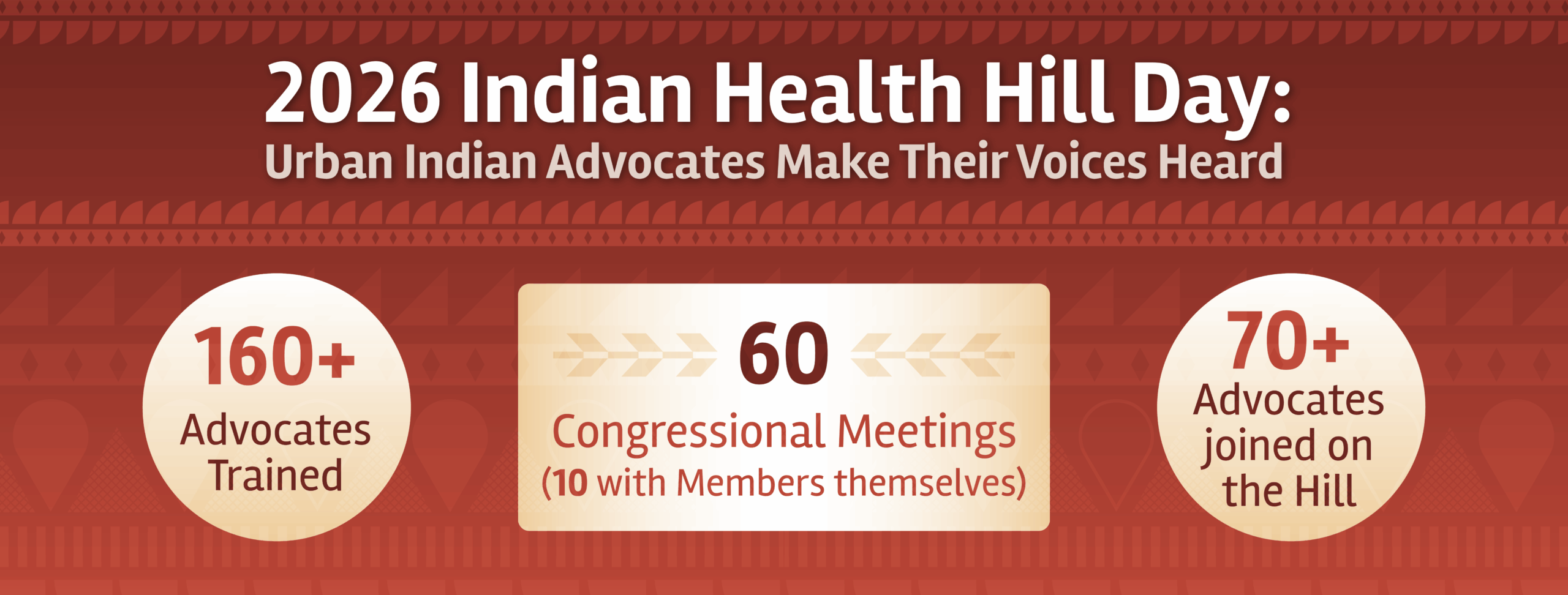
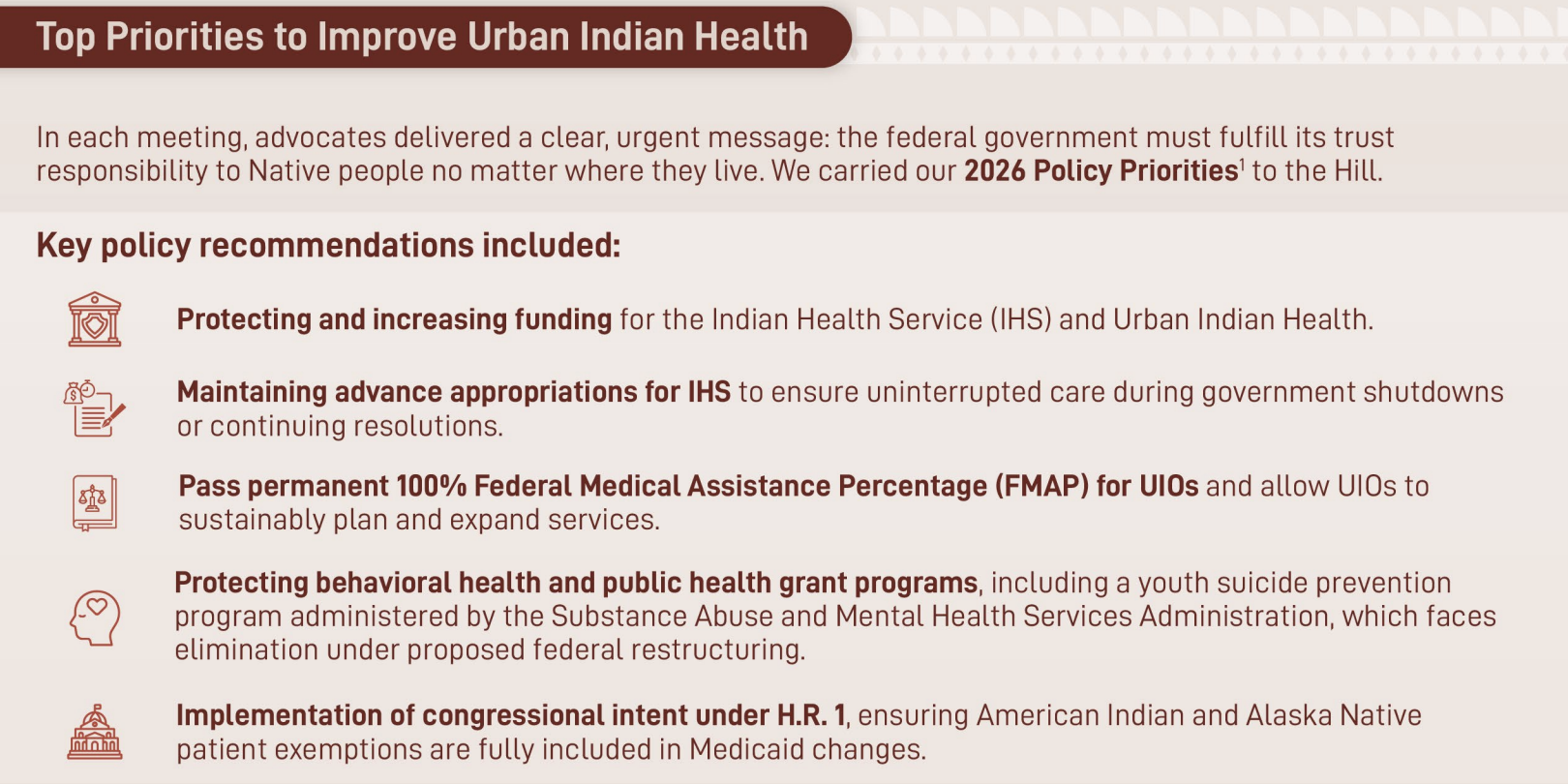
On April 30, 2026, NCUIH and Urban Indian Organizations (UIOs) leaders from across the country gathered in Washington, D.C. for a Capitol Hill Day. UIO leaders, staff, and members of the community participated in NCUIH’s in-person Training ahead of Hill Day, arriving prepared and equipped to increase awareness of urban Indian health needs and carried those messages directly to Capitol Hill.

[Access the Full Report on NCUIH’s Policy Resource Center Webpage]

Mark Cruz Nominated as Indian Health Service Director

On June 1, 2026, President Trump submitted the appointment of Mark Cruz, a citizen of the Klamath Tribes, as the Director of the Indian Health Service (IHS). Cruz currently serves as Senior Advisor to Secretary of Health and Human Services Robert F. Kennedy Jr., as one of the highest-ranking Native officials within HHS. Cruz holds a Bachelor of Arts in Political Science from Pepperdine University and a Master of Arts in Urban Education Policy from Brown University.

What’s Next: The Senate Committee on Indian Affairs will hold a confirmation hearing on June 24, 2026, at 10 AM.

[Read the full Blog Post]

NCAI 2026 Mid-Year Convention and Marketplace

NCUIH’s co-chaired the Health Subcommittee and considered Health resolutions.​

Resolutions were adopted on:​

  • Supporting reimbursement for Commercial Off-The-Shelf EHR Systems and for ongoing annual appropriations – UIOs added​
  • Implement administrative safeguards for Third Party Billing – UIOs added​
  • Addressing the opioid crisis in Indian Country​
  • Protecting and increasing Sanitation Facilities Construction funding

IHS Announces SDPI Grant Supplements, Consultation and Confer

In a May 21 Dear Tribal/Urban Leader Letter, the Indian Health Service (IHS) announced that it will distribute 25% administrative supplements to all 310 current SDPI grant recipients, drawing on one-time unobligated carryover SDPI funding.

IHS also announced its intention to conduct Tribal Consultation and Urban Confer regarding the use of additional SDPI funds resulting from the Fiscal Year 2026 reauthorization increase of $50 million, on a date to be determined.

Read more on NCUIH’s blog.

Fiscal Year 2027 Appropriations Status and Updates: Proposed Increases for Urban Indian Health and Key Indian Country Programs

The House Interior bill proposes a $10.57 million increase for Urban Indian Organizations in Fiscal Year 2027

The House Interior, Environment, and Related Agencies Subcommittee held its markup on May 21, and the Full Committee held its markup on June 3; NCUIH submitted written testimony to the House on March 11 and to the Senate on May 16.

The proposed funding includes:

  • Urban Indian Health at: $105.992 million, a $10.57 million increase from FY 2026 enacted amount;
  • the Indian Health Service at $8.69 billion, a $60 million increase;
  • Advance Appropriations at $6.06 billion;
  • the Produce Prescription Pilot Program, for which Urban Indian Organizations are eligible, at $7 million;
  • and Tribal Epidemiology Centers at $45 million, a $5.57 million increase.

Next Steps: The House will now need to schedule a floor vote on the Interior, Environment, and Related Agencies spending bill. The legislation is not expected to become law in its current form. House leadership will need to work with Senate Leadership to negotiate a final bill text for passage in both chambers.

[Read NCUIH’s full analysis on Policy Resource Center Webpage]

The House Labor HHS bill proposes to protect key Indian Country programs in Fiscal Year 2027

The House Labor, Health and Human Services, Education, and Related Agencies (Labor-HHS) Subcommittee held its markup on June 5, and the Full Committee held its markup on June 9; NCUIH submitted written testimony to the House on April 16 and to the Senate on May 22.

The following table summarizes the proposed Fiscal Year 2027 House Labor, Health and Human Services funding for key Indian Country programs.

Line Item Fiscal Year 2026 Enacted Fiscal Year 2027 President Request Fiscal Year 2027 House Proposed
Good Health and Wellness in Indian Country $27 million Eliminated $30 million
Improving Native American Cancer Outcomes $9 million Eliminated $15 million
Ryan White HIV/AIDS Program $2.57 billion $2.50 billion $2.35 billion
Minority HIV/AIDS Fund $56 million ($6 million tribal set-aside) Eliminated $20 million ($6 million tribal set-aside)
Tribal Behavioral grants (Native Connections) $26.25 million Eliminated; created a new behavioral health program under the Administration for a Healthy America (AHA) $30 million

Next Steps: House Leadership will now work with Senate Leadership to develop the final Labor-HHS appropriations spending bill. The Senate has not yet released their Labor-HHS appropriations bill. As a final appropriations bill is produced, NCUIH will continue to work to protect funding for Indian Country and maintain maximum funding levels.

[Read NCUIH’s full analysis on our Policy Resource Center Webpage]

Centers for Medicare & Medicaid Services Interim Final Rule on H.R. 1 Implementation

On June 1, the Centers for Medicare & Medicaid Services (CMS) issued an interim final rule on H.R. 1 implementation.

  • The rule includes an American Indian and Alaska Native exemption from Medicaid requirements, but it does not include language mandating that states engage in Tribal Consultation or Urban Confer.
  • The comment period closes July 31.
  • The CMS Tribal Technical Advisory Group (TTAG) is working with CMS to publish specific American Indian and Alaska Native exemption guidance for states.

NCUIH continues to request that CMS and state Medicaid programs ensure Medicaid exemptions are inclusive of all American Indian and Alaska Native beneficiaries, regardless of where they live.

  • On May 21, NCUIH submitted a comment to the Utah Department of Health and Human Services on Utah’s Medicaid Reform 1115 Demonstration, 2027–2032 Renewal
  • June 10, NCUIH submitted a comment to CMS on the Arkansas Health and Opportunity for Me (ARHOME) Renewal Demonstration.

Office of Management and Budget Regulation for Federal Financial Assistance Rule

On May 29, the Office of Management and Budget (OMB) issued a proposed Regulation for Federal Financial Assistance.

  • This proposed revision will impact how nearly all grant awards are administered and overseen,
  • And it would expand federal agency authority to terminate or suspend discretionary awards that are determined to no longer serve the program goals, agency priorities, or the federal government interest.

The Office of Management and Budget stated that it will initiate formal Tribal consultation before a final rule is promulgated.

  • NCUIH is reviewing the rule, and comments are due July 13.

Department of Health and Human Services Request for Comment on the Chronic Disease of Addiction

On June 10, the Department of Health and Human Services issued a request for information (RFI) and is inviting public comment on the research, development, programs, and policies that have been most successful in improving the availability of and access to effective prevention, treatment, and recovery interventions for addiction, mental illness, and co-occurring substance use and mental disorders.

  • The request for information seeks to identify successful research, programs, and policies and to recommend novel policy ideas and gaps in research that can be addressed and implemented using existing funding.

Comments are due July 5.

Center for Indigenous Innovation and Health Tribal Advisory Committee Nominations

The Department of Health and Human Services Office of Minority Health (OMH) is accepting nominations for the Center for Indigenous Innovation and Health Tribal Advisory Committee (CIIH TAC).

  • Committee membership consists of 3 delegates from Indian Health Service geographic areas and 3 national at-large member positions, which must be nominated by an elected Tribal leader.
  •  The Office of Minority Health will continue to receive nominations until all CIIH TAC primary and alternate delegate positions are filled.

[Learn more on the Federal Register Notice]

Coalition for Tribal Sovereignty

The Coalition for Tribal Sovereignty (CTS) is a collaborative alliance that serves as a powerful unifying voice of regional and national inter-tribal, policy-oriented, non-profit organizations to engage with federal policymakers on critical issues affecting the sovereign interests, rights, and authorities of Tribal Nations, tribal citizens, and community members across the United States. Subscribe to updates on their website at www.coalitionfortribalsovereignty.org.

Upcoming Events and Policy Dates

  • July 7: National Indian Health Board (NIHB) Medicare, Medicaid and Health Reform Policy Committee (MMPC) July Face-to-Face Meeting, held ahead of the Centers for Medicare & Medicaid Services Tribal Technical Advisory Group meeting
  • July 8: Centers for Medicare & Medicaid Services Tribal Technical Advisory Group Face-to-Face Quarterly Meeting
  • July 15: NCUIH Monthly Policy Workgroup (virtual)
  • July 28–30: Tribal Self-Governance Advisory Committee (TSGAC) Advisory Committee Meeting
  • July 27–31: Centers for Medicare & Medicaid Services Tribal Technical Advisory Group July 2026 Hill Day

Current Funding Opportunities

Visit the NCUIH Website to apply and explore our Full List of Opportunities

Tribal Behavioral Health Substance Use Prevention (Native Connections)

  • Urban Indian Organizations are eligible.
  • The award is up to $350,000 per year per award, for up to 5 years.
  • The application deadline is July 13, 2026.

Indian Health Service Phase 2 Produce Prescription Pilot Program (P4)

  • Urban Indian Organizations are eligible.
  • The award ranges from $200,000 to $250,000.
  • The application deadline is June 22, 2026.

Health Resources and Services Administration (HRSA) HIV Technical Assistance for Indian Country

  • Urban Indian Organizations are eligible.
  • The award is up to $1,500,000 per award, with 3 awards expected.
  • The application deadline is July 10, 2026.

Department of Justice (DOJ) Office for Victims of Crime (OVC) Fiscal Year 2026 Increasing Services for American Indian and Alaska Native Victims of Human Trafficking in Urban Centers Program

  • Urban Indian Organizations are eligible.
  • The award is up to $450,000.
  • The application deadline is July 23, 2026.

Indian Health Service Fiscal Year 2026 Urban Emergency Fund (UEF)

  • The purpose of this fund is to help Urban Indian Organizations address costs associated with one-time, non-recurring emergencies and disaster relief efforts.
  • The award is a limited discretionary fund, with up to $250,000 available.
  • The application deadline is as soon as reasonably practicable after the emergency occurs.

About NCUIH

The National Council of Urban Indian Health (NCUIH) is a national representative for the 41 Urban Indian Organizations contracting with the Indian Health Service under the Indian Health Care Improvement Act. NCUIH is devoted to the support and development of high quality and accessible health and public health services for American Indian and Alaska Native people living in urban areas.

NCUIH respects and supports Tribal sovereignty and the unique government-to-government relationship between our Tribal Nations and the United States. NCUIH works to support those federal laws, policies, and procedures that respect and uplift Tribal sovereignty and the government-to-government relationship. NCUIH does not support any federal law, policy, or procedure that infringes upon or in any way diminishes Tribal sovereignty or the government-to-government relationship.

image_pdfPDFimage_printPrint

From Partnership to Practice: Lessons in Native Maternal Health from Bakersfield American Indian Health Project

Authors: Nahla Holland and Alyssa Smith-Longee

Introduction

Current rates of pregnancy-related deaths in the United States emphasize gaps in care and support for different racial/ethnic groups. Non-Hispanic American Indian and Alaska Native (AI/AN) people experience deaths during pregnancy/up to one year postpartum at the highest rate compared to other groups, with a rate four times higher than non-Hispanic White people.1 However, even one death is too many; actionable, culturally relevant prevention efforts need to be a focus to ensure the wellness of AI/AN relatives.

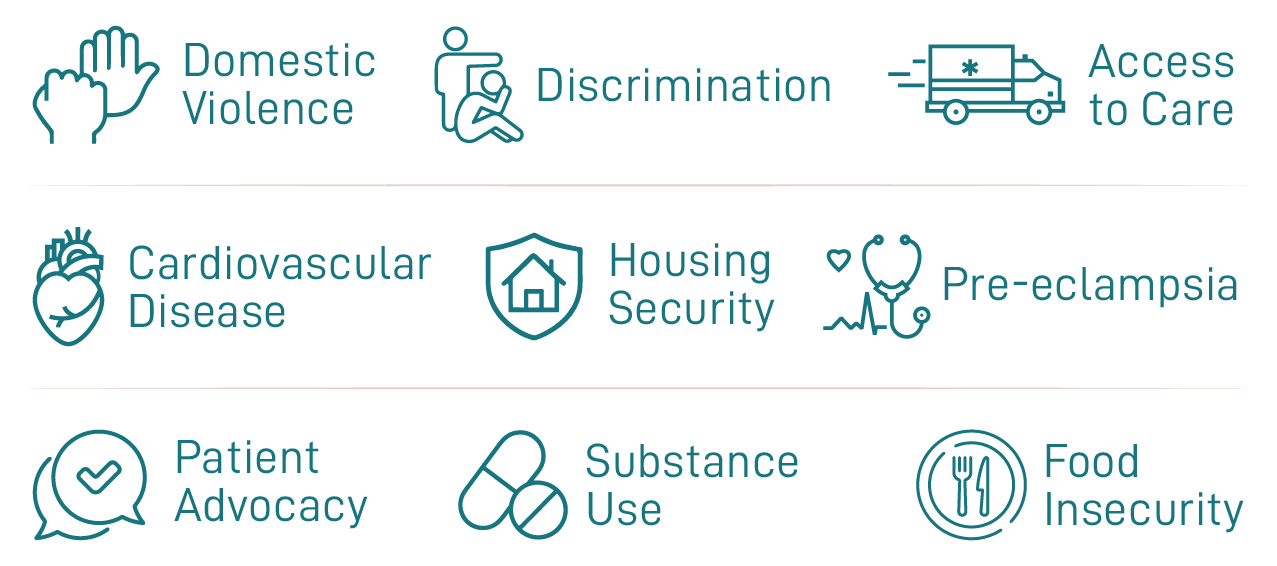
The National Council of Urban Indian Health (NCUIH), in partnership with the Centers for Disease Control and Prevention (CDC) and the CDC Foundation (CDCF), supports Urban Indian Organizations (UIOs) in preventing pregnancy-related deaths in urban AI/AN communities. NCUIH also works to support connections of UIOs with local Maternal Mortality Review Committees (MMRCs) to help ensure that the stories of those who have passed, or transitioned, are treated with respect and that future prevention recommendations are culturally relevant. MMRCs are multidisciplinary groups that may include clinical and non-clinical committee members, and that convene at the state or local level to comprehensively review deaths that occur during or within 1 year of the end of pregnancy.2 AI/AN people living in urban areas may face distinct maternal health challenges. UIOs report that pregnancy and postpartum concerns affect outcomes before, during, and after pregnancy and reflect both clinical conditions and broader barriers to safety, stability, and care. These concerns include:

Pregnancy and postpartum health concerns identified by UIOs (2023)

These concerns make it clear that meaningful action is needed to support the health and well-being of urban AI/AN people during pregnancy and postpartum. UIOs play a critical role in identifying and responding to these needs within their communities. The following case study illustrates how one UIO is working to address these concerns and put these priorities into practice.

Case Study

As an example of the impacts that NCUIH has accomplished in working with UIOs to improve maternal health challenges in urban AI/AN communities, we would like to share a case study of the Bakersfield American Indian Health Project (BAIHP). BAIHP is an outreach and referral UIO located in Bakersfield, California, serving the AI/AN and larger community in Kern County. BAIHP embraces culturally community-driven models of wellness for its patients.

In 2025, BAIHP and NCUIH partnered under NCUIH’s CDCF MMRC grant to build capacity through NCUIH’s assistance for addressing maternal health concerns. One goal was to build a relationship by connecting the California urban AI/AN community and the local California MMRC, the CA Central Valley MMRC. BAIHP and NCUIH worked collaboratively to strengthen the MMRCs knowledge of UIOs and urban AI/AN communities through conversations with the CA Central Valley MMRC. With the support of the California Central Valley MMRC, two BAIHP staff members were onboarded to the committee to provide active input on AI/AN stories and values during the review process.

Additionally, with the dedicated funding for supporting pregnancy and postpartum health, BAIHP hired a part-time OB/GYN. The new OB/GYN supported RNs and FNPs at both BAIHP sites as they built out their perinatal and pediatrics programming. The BAIHP team developed obstetric policies and procedures and partnered with local Tribes, hospitals, and other health initiatives.

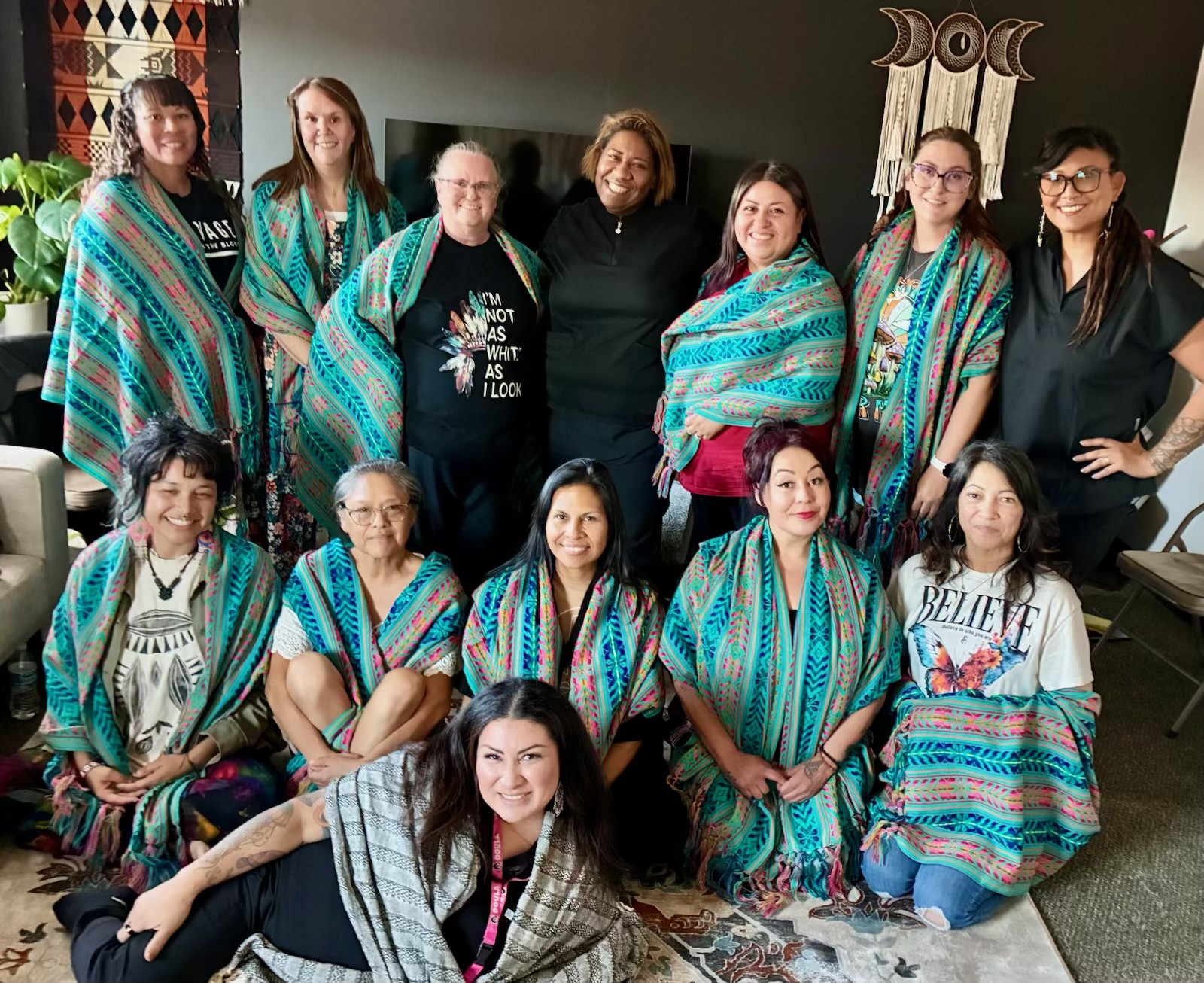
Indigenous Doula Scholarship Program 2025/2026 Graduates Trained by Three Moons Doula Collective. (Photo Credit: BAIHP)

BAIHP and NCUIH attended in-person and virtual national convenings on AI/AN pregnancy and postpartum health. During these discussions, BAIHP staff developed the idea to start an Indigenous doula scholarship program and a community doula plan. Indigenous doulas are a culturally rooted protective factor for our community, guiding our relatives through pregnancy and the post-partum period. This doula program was designed for Indigenous people to become trained and certified as a doula at no cost to them and provide care right in their communities. After certification, all the doulas who graduated provided care to BAIHP patients and to the larger community for one year. In April 2026, BAIHP graduated ten doulas from their program. This unique scholarship opportunity trained more Indigenous people to become doulas and allowed them direct access to their community to provide indigenous-centered birthing practices.

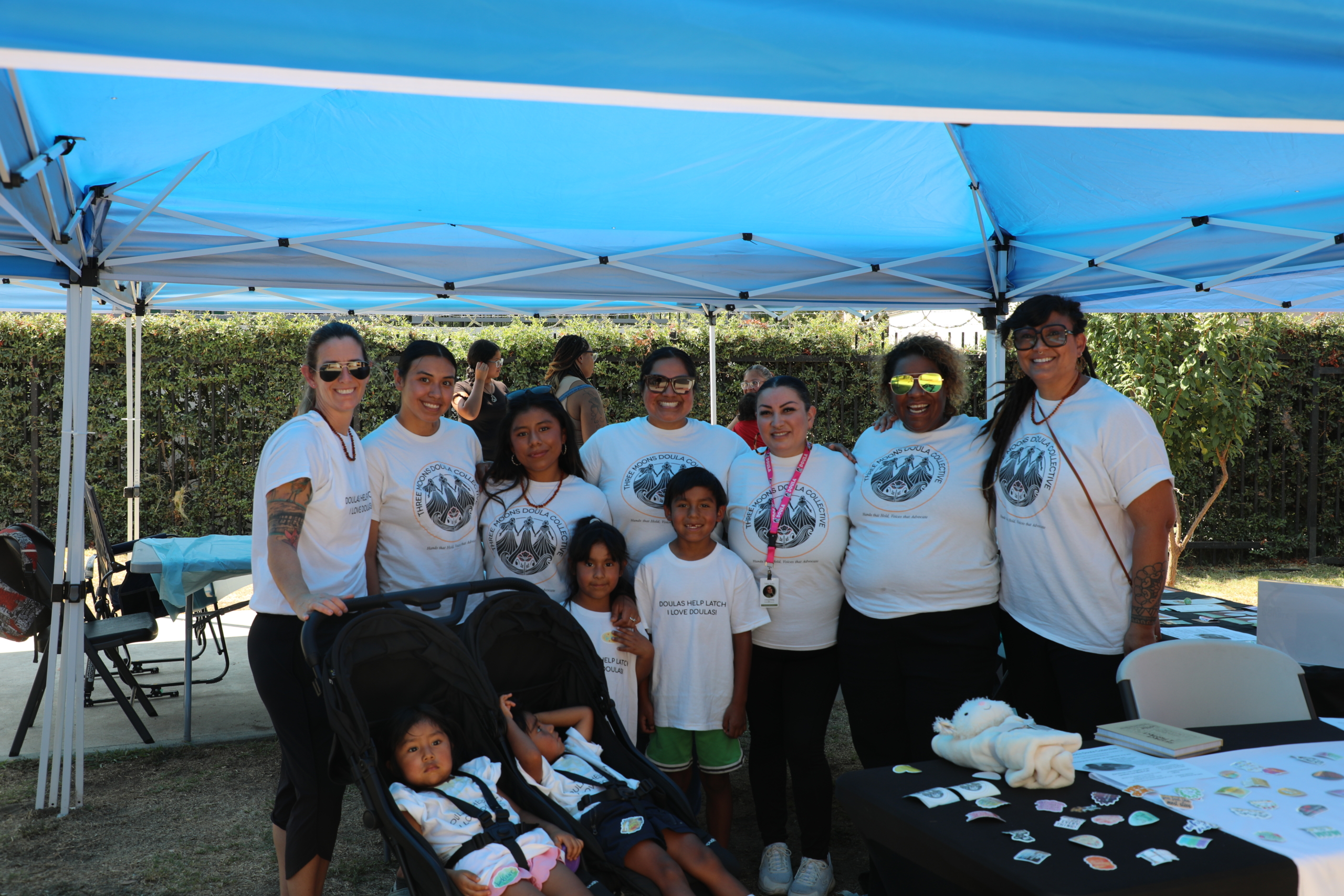
In August 2025, during their Bright Futures, Big Careers back-to-school event, BAIHP staff set up a maternity corner full of resources and professionals for expecting and recent parents, staffed by OB/GYNs, RNs, and a local doula. Over 500 attendees attended the event, where they could ask questions of care providers, receive perinatal supplies and resources, and learn about other trusted local specialty care providers in their community.

Bright Futures, Big Careers back-to-school event (Photo credit: BAIHP)

Additionally, after conversations with their California Central Valley MMRC, BAIHP joined calls with the California Maternal Quality Care Collective (CMQCC), a health initiative focused on improving perinatal health outcomes. BAIHP’s established partnerships with local doulas, graduate students, hospitals, health departments, Tribes, the California Maternal Quality Care Collective (CMQCC), and the Black Infant and Maternal Health Initiative informed the broader community about pregnancy and postpartum resources for AI/AN people in the area.

The work in progress at BAIHP exemplifies the exceptional role UIOs play in their communities as care providers but also in promoting strength-based programming and upholding Indigenous values of wellness. BAIHP and UIOs in general offer tremendous opportunities to connect our urban relatives with the best perinatal care and to create culturally relevant, strength-based initiatives developed by our communities.

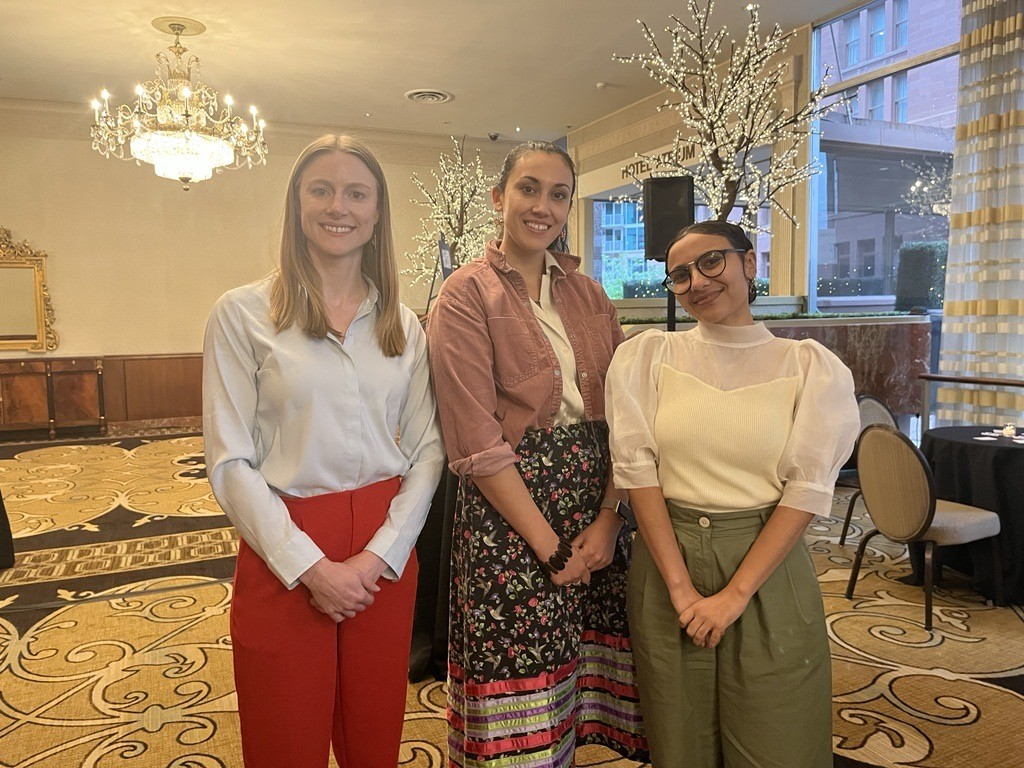
BAIHP and NCUIH at National Indian Health Board Convening on Tribal Maternal Health 2025. From left to right: Alanna Costello (BAIHP), Alyssa Smith-Longee (NCUIH), Nahla Holland (NCUIH)

BAIHP and NCUIH at National Indian Health Board Convening on Tribal Maternal Health 2025. From left to right: Alanna Costello (BAIHP), Alyssa Smith-Longee (NCUIH), Nahla Holland (NCUIH)

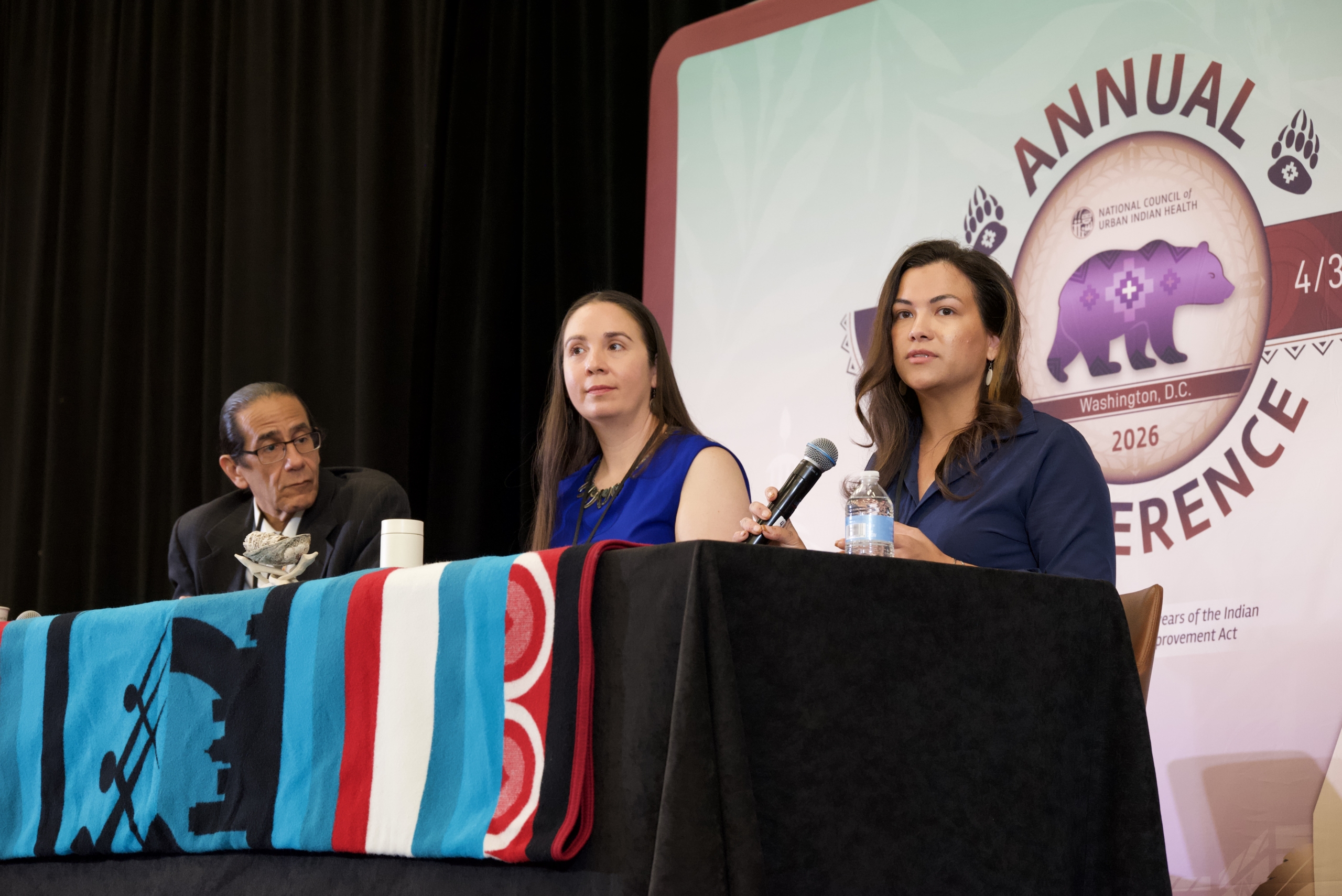
Tara Gray, Tribal Liaison at BAIHP, presenting at the NCUIH 2026 Annual Conference Maternal Health Session, alongside other Subject Matter Experts.

Tara Gray, Tribal Liaison at BAIHP, presenting at the NCUIH 2026 Annual Conference Maternal Health Session, alongside other Subject Matter Experts. From left to right: Dr. Brian Thompson (Upstate Medical University), Janelle Palacios (Encoded 4 Story), Tara Gray (BAIHP)

Recommendations and Best Practices

UIOs like BAIHP are uniquely positioned to integrate clinical care with community trust and community-level programming. The partnership between BAIHP and NCUIH reinforced that investing in UIOs and their maternal health efforts yields both systemic change (MMRC representation) and direct community impact (doula graduates, outreach events, new care policies). To facilitate a community of learning, NCUIH hosted a maternal health session at its 2026 Annual Conference, where alongside other subject matter experts, BAIHP Tribal Liaison, Tara Gray, shared best practices and recommendations from the partnership. While the session addressed barriers and challenges facing AI/AN mothers, it centered on community-led solutions.

Recommendations and best practices to strengthen maternal health outcomes at UIOs:

  • Community Members as Care Providers. Training and certifying community members as doulas and birth workers (Indigenous Doula Programs/Scholarships).
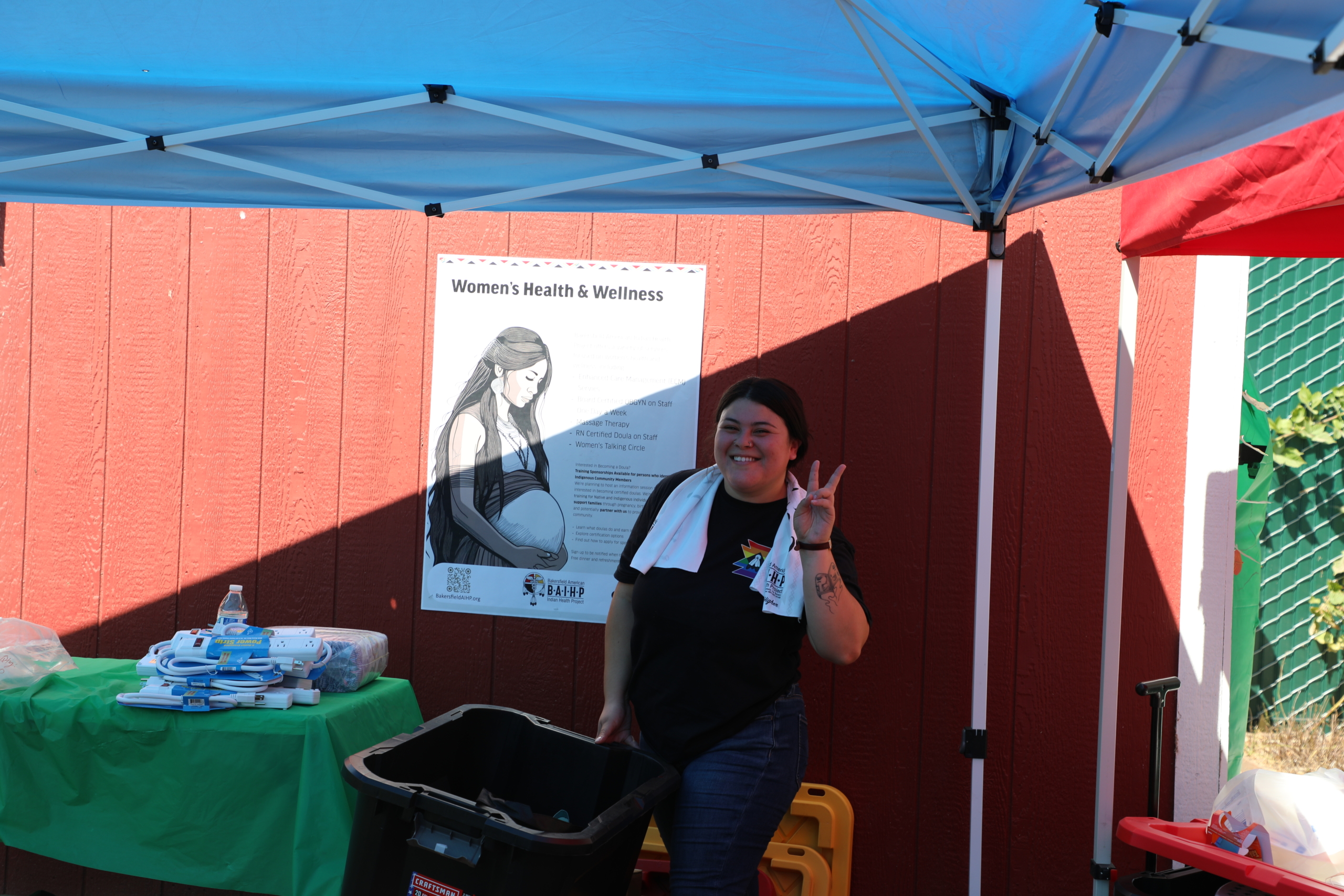
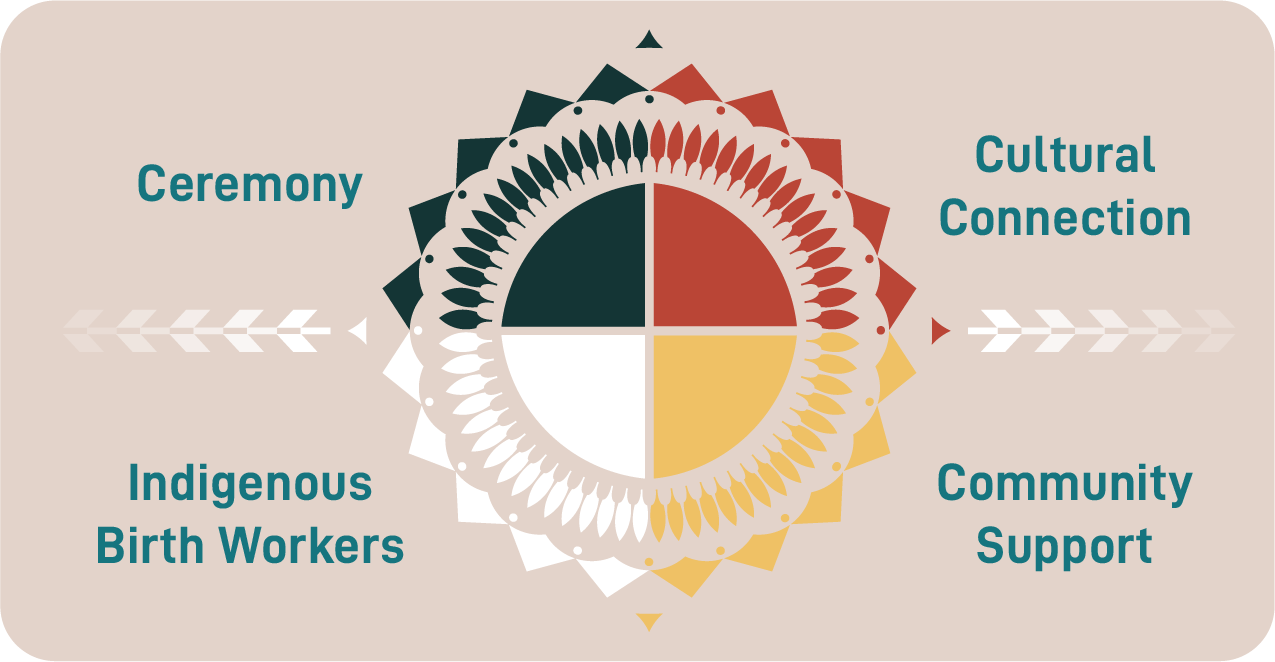
  • Center Strength-Based, Culturally Driven Programming. Hosting community education and events grounded in Indigenous values of wellness and community strengths. (see image)
  • Meeting the community where they are. Integrating maternal health education and services during other community events or home visiting programs.
  • Incorporating community voices through local and national partnerships. MMRCs should make efforts to connect with the UIOs in their respective states, and vice versa, to ensure urban AI/AN voices don’t go unheard.
  • Consistent funding to ensure maternal health promotion efforts can continue without gaps or delays.
Protective factors within AI/AN communities for pregnancy and postpartum health

Protective factors within AI/AN communities for pregnancy and postpartum health

MMRCs also play an important role in strengthening maternal health through prioritizing community and AI/AN voices in the review process.

To strengthen maternal health outcomes for AI/AN communities, MMRCs should:

  • Address systemic biases and trauma of AI/AN people
  • Examine influences such as Indigenous determinants of health
  • Highlight protective factors within case abstraction
  • Protect AI/AN committee members throughout the review process
  • Respect traditional knowledge
  • Center the individual’s story and lived experience over data points
  • Fund and empower community-led maternal health solutions
  • Establish and uphold continued relationships with UIOs, Tribes, and other AI/AN serving organizations (including transparent data sharing agreements)
Conclusion

Recent data show that nearly all AI/AN pregnancy-related deaths reviewed were preventable.3 No voices should go unheard, no stories untold, and strengthening maternal health efforts should remain a priority with UIOs and Tribes, and local, federal, and national stakeholders. To learn more about how to get involved, please contact research@ncuih.org. For more information on AI/AN pregnancy and postpartum health, and how NCUIH is working with UIOs and national partners to promote healthier communities for our pregnant and postpartum relatives, please visit NCUIH.org/maternal-health.

Thank you to Bakersfield American Indian Health Project for their thoughtful review and input on this post.

1 Centers for Disease Control and Prevention. (2025, December 18). Data from the Pregnancy Mortality Surveillance System. https://www.cdc.gov/maternal-mortality/php/pregnancy-mortality-surveillance-data/index.html?cove-tab=1
2 Centers for Disease Control and Prevention. (2024, May 15). About Maternal Mortality Review Committees. https://www.cdc.gov/maternal-mortality/php/mmrc/index.html
3 Centers for Disease Control and Prevention. (2025a, August 22). Pregnancy-related deaths among American Indian or Alaska native women: Data from maternal mortality review committeeshttps://www.cdc.gov/maternal-mortality/php/data-research/mmrc/aian.html?cove-tab=3

image_pdfPDFimage_printPrint

House Appropriations Committee Advances Labor Health and Human Services Spending Bill, Protects Key Indian Country Programs

On June 9, 2026, the House Appropriations Full Committee passed the Fiscal Year (FY) 2027 appropriations bill for Labor, Health and Human Services, Education, and Related Agencies (Labor-HHS). The bill includes $110.767 billion for the Department of Health and Human Services (HHS), which is $4.03 billion below FY 2026 enacted and $12.16 billion above the President’s request. The committee notably did not fund the Administration for a Healthy America (AHA), President Trump’s proposed new agency that would consolidate programming across SAMHSA, HRSA, and other agencies as part of its HHS reorganization.

The committee also provided increased funding for key Indian Country provisions including the Improving Native American Cancer Outcomes program, Good Health and Wellness in Indian Country program, and Tribal Behavioral Grants (Native Connections).

Background

NCUIH worked closely with Appropriators to advocate for increased funding for Indian Country. In written testimony, NCUIH advocated for $10 million for the Improving Native American Cancer Outcomes program, $30 million for the Good Health and Wellness in Indian Country program and protecting Tribal set asides.

Next Steps

House Leadership will now work with Senate Leadership to develop the final LHHS appropriations spending bill. The Senate has not yet released their Labor-HHS appropriations bill. As a final appropriations bill is produced, NCUIH will continue to work to protect funding for Indian Country and maintain maximum funding levels.

Bill Highlights

Line Item FY 2026 Enacted FY 2026 President’s Budget Request FY 2027 Committee Passed
Health Resources and Services Administration $9.2 billion Fold into Administration for a Healthy America (AHA) $8.35 billion
Substance Abuse and Mental Health Services Administration $7.4 billion Fold into AHA $7.29 billion
National Institutes of Health $48.72 billion $42.97 billion $48.82 billion
Centers for Disease Control $9.2 billion Fold into AHA (Partially) $8.16 billion
Good Health and Wellness in Indian Country $27 million $30 million
Improving Native American Cancer Outcomes $9 million $15 million
Ryan White HIV/AIDS Program $2.57 billion $2.50 billion $2.35 billion
Minority HIV/AIDS Fund $56 million Eliminated $20 million
Minority HIV/AIDS Fund – Tribal Set Aside No less than $6 million $6 million
Tribal Behavioral Grants (Native Connections) $26.25 million Eliminated. Created a new behavioral health program under AHA $30 million

Additional Key Provisions:

Health Resources and Services Administration

Innovation for Maternal Health: $20.3 million (10% Tribal set-aside)
Bill report pg. 52: The Committee includes $20,300,000 for the Innovation for Maternal Health program. The Innovation for Maternal Health program supports the establishment or continuation of a program to identify, develop, or disseminate best practices to improve maternal health care quality and outcomes, improve maternal and infant health, and eliminate preventable maternal mortality and severe maternal morbidity, among other activities. This funding supports capacity building, technical assistance, and continued implementation of the Alliance for Innovation on Maternal Health Program’s patient safety bundles to all States, territories, and tribal organizations. Patient safety bundles are a set of targeted and evidence-informed best practices that, when implemented, improve patient outcomes and reduce maternal mortality and severe maternal morbidity.

  • (NEW) Tribal Set-Aside: The Committee directs HRSA to reserve at least 10 percent of available funding for Tribes and Tribal organizations.

Federal Office of Rural Health Policy: $575.77 million

Native Hawaiian Health Care Program: $27 million
Bill report pg. 38: The Committee continues $27,000,000 for the Native Hawaiian Health Care Program. Of the total amount appropriated for the Native Hawaiian Health Care Program, not less than $10,000,000 shall be provided to Papa Ola Lokahi for administrative purposes authorized under 42 U.S.C. 11706, including expanded research and surveillance related to the health status of Native Hawaiians and strengthening the capacity of the Native Hawaiian Health Care Systems.

National Health Service Corps: $133.1 million (15% Tribal set-aside)
Bill report pg. 40: The Committee includes $133,100,000 for the National Health Service Corps (NHSC) to support competitive awards to health care providers dedicated to working in rural, Tribal, and underserved areas.

  • Tribal Set-Aside.—Within the total provided for the NHSC, the Committee includes a set aside of not less than 15 percent to support awards to participating individuals that provide health services in Indian Health Service facilities, Tribally-operated health programs, and Urban Indian Health programs.
Centers for Disease Control and Prevention

Good Health and Wellness in Indian Country: $30 million
Bill report pg. 73.

Office of the Secretary – General Departmental Management

Minority HIV/AIDS Fund: $20 million ($6 million Tribal set-aside)
Bill report pg. 252: The Committee includes $20,000,000 for the Secretary’s Minority HIV/AIDS Fund (MHAF).

  • Tribal Set-Aside.—The Committee notes that according to the CDC, HIV-positive status among Native Americans is increasing and nearly one-in-five HIV-positive Native Americans is unaware of their status. In addition, only three-in-five receive care and less than half are virally suppressed. To increase access to HIV/AIDS testing, prevention, and treatment, the Committee reserves not less than $6,000,000 as a Tribal set-aside within the total provided for MHAF.
Substance Abuse and Mental Health Services Administration

National Center of Excellence for Eating Disorders: $4 million
Bill report pg. 162: The Committee provides $4,000,000, an increase of $2,000,000 above the fiscal year 2026 enacted level, for the National Center of Excellence for Eating Disorders. Funding will support increased engagement with primary care providers, including pediatricians, to provide specialized advice and consultation on screening and treatment for eating disorders. The Committee supports work on pediatric training models for prevention, early intervention, treatment, and ongoing support protocols for youth with, or at-risk of developing, an eating disorder. The Committee directs SAMHSA to devote sufficient resources to a competitive grant process to support the National Center of Excellence, as authorized in section 1131 of Public Law 117–328. The Committee further directs SAMHSA to provide an update in the fiscal year 2028 congressional justification detailing actions taken to support the Center of Excellence in advancing education, training, and awareness of eating disorders.

Substance Abuse Prevention Services: $204 million

Tribal Behavioral Grants (Native Connections): $30 million
Bill report pg. 161: The Committee provides $30,000,000, an increase of $3,750,000 above the fiscal year 2026 enacted level, to prevent and reduce suicidal behavior and substance use, reduce the impact of trauma, and promote mental health among AI/AN youth, through age 24.

Zero Suicide: $23.8 million
Bill report pg. 159: The Committee includes $23,800,000 for the Zero Suicide program, which is the same as the fiscal year 2026 enacted level. Zero Suicide grants support suicide prevention efforts in health systems, including screening adults for suicide risks, providing referral services, implementing evidence based practices to provide services to adults at-risk, and raising awareness of such risks.

American Indian and Alaska Native Set Aside:$4.4 million
Bill Report pg. 159: Within the amount provided, $4,400,000 is included for Zero Suicide grants to American Indian and Alaska Native health systems, which is the same as the fiscal year 2026 enacted level.

Mental Health Services Block Grant: $1.05 billion
Bill report pg. 154: The Committee provides $1,047,571,000 for the MHBG, an increase of $35,000,000 above the fiscal year 2026 enacted level. Of the funds provided, $21,039,000 shall be derived from evaluation set aside funds available under section 241 of the PHS Act.

988 Suicide & Crisis Lifeline: $544.62 million
Bill report pg. 159: The Committee provides $544,618,000 for the 988 Suicide & Crisis Lifeline, an increase of $10,000,000 above the fiscal year 2026 enacted level, to support the national suicide hotline to continue to support State and local suicide prevention call centers as well as a national network of backup call centers and the national coordination of such centers.

  • 988 Tribal Capacity Building.—Tribal Nations continue to face unique challenges with fully adopting 988 services, including access to technology and crisis support services, intergovernmental coordination, and culturally responsive mental health services. The Committee instructs SAMHSA to complete the briefing directive included under this heading in the House Report 119–271.

Substance Use Prevention, Treatment, and Recovery Services Block Grant: $2.03 billion
Bill report pg. 163: The Committee includes $2,039,079,000 for the Substance Use Prevention, Treatment, and Recovery Services (SUPTRS) Block Grant, which is a $26,000,000 increase above the fiscal year 2026 enacted level.

State Opioid Response Grants: $1.6 billion (4.5% Tribal set aside)
Bill report pg. 163: The Committee includes $1,600,000,000 for State Opioid Response (SOR) grants, an increase of $5,000,000 above the fiscal year 2026 enacted level. The Committee supports efforts from SAMHSA through SOR grants to expand access to substance use disorder treatments in rural and underserved communities, including through funding and technical assistance. Within the amount provided, the Committee includes a set-aside of not less than 4.5 percent for Indian Tribes and Tribal organizations.

National Institute on Minority Health and Health Disparities

Improving Native American Cancer Outcomes: $15 million
Bill report pg. 131: The Committee remains deeply concerned that Native Americans experience overall cancer incidence and mortality rates significantly higher than those of non-Native populations. The Committee includes $15,000,000, an increase of $6,000,000 from the fiscal year 2026 enacted level, to continue and expand support for existing grantees under the Initiative for Improving Native American Cancer Outcomes. This initiative supports research, education, outreach, and clinical access related to cancer in Native American communities. The Committee further directs NIMHD to continue to work with NCI to maintain support for current grantees.

Native Hawaiian/Pacific Islander Health Research Office: $7.5 million
Bill report pg. 132: The Committee provides $7,500,000, which is an increase of $2,500,000 above the fiscal year 2026 enacted level, for the Native Hawaiian/ Pacific Islander Health Research Office (NHPIHRO) with a focus on both addressing Native Hawaiian and Pacific Islander (NHPI) health disparities, as well as supporting the pathway and research of NHPI investigators. The Committee encourages NHPIHRO to develop partnerships with academic institutions with a proven track record of working closely with NHPI communities and NHPI serving organizations located in States with significant NHPI populations to support the development of future researchers from these same communities.

Important Behavioral and Mental Health Provisions

Medication-Assisted Treatment for Prescription Drug and Opioid Addiction Tribal Set Aside: $20 million

Infant and Early Childhood Mental Health Program: $16 million
Bill report pg. 158: The Committee provides $16,000,000 for the Infant and Early Childhood Mental Health program, an increase of $1,000,000 above fiscal year 2026 enacted level, to support human service agencies and nonprofit organizations that provide age-appropriate mental health promotion and early intervention or treatment for children with significant risk of developing mental illness including through direct services, assessments, and trainings for clinicians and education providers. Increased funding is included to expand funding to additional communities, working to build the infrastructure and systems needed to deliver early childhood mental health services.

Administration for Community Living

Native American Caregiver Support Program: $16 million
Bill report pg. 211: The Committee provides $16,000,000 for the Native American Caregivers Support program. This program provides formula grants to Tribes for the support of American Indian, Alaskan Native, and Native Hawaiian families caring for older relatives with chronic illness or disabilities.

NCUIH Contact:Meredith Raimondi, Vice President of Policy and Communications, mraimondi@ncuih.org
image_pdfPDFimage_printPrint

Urban Indian Health Hill Day 2026: Urban Indian Leaders Make Their Voices Heard

On April 30, 2026, NCUIH and Urban Indian Organizations (UIOs) leaders from across the country gathered in Washington, D.C. for a Capitol Hill Day. UIO leaders, staff, and members of the community participated in NCUIH’s in-person Training ahead of Hill Day, arriving prepared and equipped to increase awareness of urban Indian health needs and carried those messages directly to Capitol Hill.

This year’s Hill Day came at a critical moment. Budget conversations are actively underway in Congress, making the timing of these meetings essential to ensuring that the health needs of American Indian and Alaska Native people living in urban areas are not overlooked in policy discussions. As Congress moves forward with the appropriations process, NCUIH will build on the momentum of Hill Day by continuing to educate policymakers and raise awareness about urban Indian health needs.

image_pdfPDFimage_printPrint

House Advances FY 2027 Interior Bill with Increases for IHS and Advance Appropriations for FY 2028

On June 3, 2026, the House Appropriations Full Committee passed the Fiscal Year (FY) 2027 appropriations bill for Interior, Environment, and Related Agencies, which was previously approved by the House Subcommittee on May 25, 2026. At the Subcommittee Hearing, Chairman Cole (R-OK-04), affirmed the Committee’s continued recognition and commitment to protecting the Indian Health Service (IHS) stating the bill “reflects our commitment to honoring and upholding our sacred trust and treaty oaths to protect Native American communities. I’m proud that the legislation prioritizes funding for the accounts that deliver critical services to Indian country.”

The bill provides $8.69 billion for IHS, including $6.06 billion in advance appropriations for FY 2028. The bill also expands advance appropriations to include Indian Health Facilities Sanitation Facilities Construction and Health Care Facilities Construction accounts. The bill authorizes $105.992 million for urban Indian health – an increase of $10.57 million over the FY26 enacted amount. The report states that “the Committee recognizes the Federal trust responsibility to provide health care services to American Indian and Alaska Native citizens and acknowledges that approximately seventy-one percent live in urban areas.”

Other key provisions include:

  • $7 million for the Produce Prescription Pilot Program for Tribes and UIOs to increase access to produce and other traditional foods
  • $45 million, a $5.57 million increase, for Tribal Epidemiology Centers (TECs).

Background

The National Council of Urban Indian Health (NCUIH) is a longstanding advocate for full funding for IHS and urban Indian health and supports the recommendations of the Tribal Budget Formation Workgroup. On March 17, 2026, NCUIH CEO Francys Crevier testified before the House Appropriations Subcommittee on Interior, Environment, and Related Agencies, urging full funding for urban Indian health and the Indian Health System.

NCUIH is also grateful for the support of Representatives working to support the health of Indian Country. On March 20, 2026, 59 Congressional leaders joined Representative Leger Fernandez in a bipartisan letter to Chairman Simpson and Ranking Member Pingree of the House Interior Appropriations Committee requesting support for Urban Indian Health, maintaining advance appropriations for IHS, and protecting IHS from sequestration. The letter emphasized that the federal government has a trust responsibility to provide federal health services to maintain and improve the health of American Indian and Alaska Native people.

Next Steps

The House will now need to schedule a floor vote on the Interior, Environment, and Related Agencies spending bill. The legislation is not expected to become law in its current form. House leadership will need to work with Senate Leadership to negotiate a final bill text for passage in both chambers.

FY26 funding is set to end on September 30, 2026. If Congress cannot come to a funding agreement by that deadline, they will need to pass a Continuing Resolution to keep the funding levels at the FY26 level until they reach an agreement. Should political disagreements lead to a government shutdown, UIOs and parts of IHS will be protected by Advance Appropriations.

Bill Highlights

Line Item FY 26 Enacted FY 27 Tribal Request FY 27 President’s Budget FY 27 House Proposed
Urban Indian Health $95.42 million $1.09 billion $95 million $105.992 million
Indian Health Service $8.05 billion $73 billion $9.1 billion $8.69 billion
Hospital and Clinics $2.63 billion $18.5 billion $2.84 billion $2.87 billion
Tribal Epidemiology Centers $39.4 million ____________ $39.4 million $45 million
Mental Health $133.69 million $5.41 billion $139 million $144.95 million

Additional Key Provisions:

Clinical Decision Support for Diabetes Management (NEW)
Bill Report, Pg. 92,93: The Committee directs IHS to evaluate and, where clinically appropriate, implement evidence-based, artificial intelligence-enabled digital tools to improve insulin management, patient safety, and clinical outcomes in IHS facilities.

Rural Health Care Access (NEW)
Bill Report, Pg. 93: The Committee remains concerned about the ongoing difficulties rural and remote Tribal communities face in accessing timely health services. To reduce geographic barriers and improve care continuity, the Committee directs the IHS to procure integrated rural health care delivery models that leverage mobile medical units, telehealth-enabled clinical services, and clinical staff augmentation to address persistent workforce gaps.

IHS Hiring Initiative Follow Up (NEW)
Bill Report, Pg. 90: The Committee commends IHS on the launch of its fiscal year 2026 hiring initiative. As it works to streamline and expedite hiring processes, the Committee expects IHS to maintain the integrity and thoroughness of the background check process, and to consider ways to collaborate with and consult Tribes on hiring system improvements and decisions affecting healthcare services. The Committee encourages IHS to provide a report not later than 90 days following the enactment of this Act on its success in addressing the high staffing vacancy rate and implementing targeted recruitment and retention strategies in underserved areas.

Current Services: $264,752,000
Bill Report, Pg. 90: The Committee acknowledges that fixed costs continue to rise and flat funding results in a cut to programmatic dollars. The recommendation provides $264,752,000 for the Agency’s requested Current Services, which covers fixed costs for fiscal year 2027, for key health services to ensure increases go directly to programs. The Committee directs IHS to provide a detailed spend plan for fixed costs not later than 60 days following the enactment of this Act, including a timeline for when the funds will be distributed.

Produce Prescription Pilot Program: $7 million
Bill Report, Pg. 90: The recommendation includes $7,000,000 for IHS to expand, in coordination with Tribes and Urban Indian Organizations, the Produce Prescription Pilot to implement a produce prescription model to increase access to produce and other traditional foods among its service population. The Committee encourages IHS to provide a briefing not later than 90 days following the enactment of this Act on the distribution of funds and implementation efforts.

Contract Support Costs – $ 1.731 billion and Tribal 105(l) leases – $720 million
Bill Report, Pg. 93: The Committee recommends an indefinite appropriation estimated to be $1,731,000,000 for contract support costs incurred by the agency as required by law. The bill continues language making available such sums as are necessary to meet the Federal Government’s full legal obligation and prohibiting the transfer of funds to any other account for any other purpose. In addition, the bill includes language specifying carryover funds may be applied to subsequent years’ contract support costs.

Bill Report, Pg. 93: The Committee recommends an indefinite appropriation estimated to be $720,000,000 for Payments for Tribal Leases incurred by the agency as required by law. The bill includes language making available such sums as necessary to meet the Federal Government’s full legal obligation and prohibits the transfer of funds to any other account for any other purpose.

Purchased and Referred Care – $1.06 billion
Bill Report, Pg. 91: The recommendation includes $1,055,713,000 for Purchased and Referred Care (PRC). The amount provided reflects the fiscal year 2026 enacted base of $996,755,000, full funding for fiscal year 2027 current services requirements estimated at $45,958,000, and $13,000,000 for the purposes described below.

The Committee is aware that delayed reimbursements can cause financial strain on the Tribal member patient and the provider. This can sometimes result in the patient being incorrectly held liable for costs and cause medical debt to appear on the patient’s credit report. Therefore, within 90 days of the enactment of this Act, the Committee directs the Indian Health Service to report on ways to improve the speed at which reimbursement payments are paid to meet the 30-day requirement. The Committee also provides $13,000,000 for additional staff and resources needed to improve reimbursement timelines.

The Committee is interested in IHS findings on the Purchased and Referred Care funding distribution methodology and how PRC dependent areas, including those in California, are receiving the necessary PRC funds needed to purchase lifesaving care for Tribal members.

Indian Health Professions: $95,252,000
Bill Report, Pg. 92: The recommendation includes $95,252,000 for Indian Health Professions programs. The Committee continues to support Indian Health Professions programs and expects IHS to allocate the funding provided across all programs, including the Scholarship Program, Loan Repayment Program, Indians Into Medicine Program (INMED), American Indians into Nursing (RAIN) Program, and the American Indians into Psychology Programs.

The Committee appreciates the opportunities made available through Indian Health Professions programs like the Loan Repayment Program (LRP). The recommendation includes $53,000,000 for LRP to help offset student loan costs in exchange for two years of service at an Indian health program. The Committee remains concerned about the tax assessments associated with this grant program and the impact tax liabilities have on this valuable program. The Committee looks forward to the report from IHS and other applicable Bureaus and Agencies with respect to tax implications, as directed in House Report 119–215.

Sanitation Facilities Construction: $130,968,000
Bill Report, Pg. 94: The recommendation includes $130,968,000 for Sanitation Facilities Construction.

Health Care Facilities Construction: $190,508,000
Bill Report, Pg. 94: The recommendation includes $190,508,000 for Health Care Facilities Construction.

Equipment – Generators:  $2.5 million in addition to FY26 amounts ($5 million)
Bill Report, Pg. 94: $2,500,000, in addition to amounts provided in fiscal year 2026, to purchase generators, including for IHS, Tribal Health Programs, and Urban Indian Organizations facilities located in areas impacted by de-energization events to increase the resilience of these facilities.

Dental Health: $287 million
Bill Report, Pg. 91: The recommendation includes $287,085,000 for Dental Health services.

  • Also includes $1,500,000 to expand Dental Support Centers to all 12 service areas and $2,500,000 to install an electronic Dental Records System.

Alzheimer’s Disease: $6 million
Bill Report, Pg. 90: The recommendation includes $6,000,000 to continue Alzheimer’s and related dementia activities. These funds will enable awardees to continue to implement locally developed models of culturally appropriate screening, diagnostics, and management of people living with Alzheimer’s and other related dementia. This funding also supports the Dementia ECHO program, designed to support clinicians and caregivers to strengthen their knowledge and care around dementia for Tribal patients.

Improving Maternal Health: $3 million
Bill Report, Pg. 91: The recommendation also includes $3,000,000 for Improving Maternal Health. The Committee also recognizes the importance of in vitro diagnostics tools for the detection of diseases, infections, and other medical conditions. These tools provide valuable information to aid providers in accurate diagnostics, treatment planning, and monitoring of patient health. The Committee encourages the use of in vitro diagnostics in IHS health clinics and medical facilities.

Alcohol and Substance Abuse: $286 million
Bill Report, Pg. 91: The recommendation includes $286,389,000 for Alcohol and Substance Abuse programs.

Behavioral Health Pilot Program
Bill Report, Pg. 91: The Committee looks forward to the report on the status and outcomes of the new behavioral health pilot program that was enacted in fiscal year 2026 that supports grants to Indian Tribes, Tribal organizations, or consortia of Indian Tribes to operate and implement special behavioral health programs authorized by the Indian Health Care Improvement Act (25 U.S.C. 1665 et seq.) on or near an Indian Reservation.

Bureau of Indian Affairs, Missing and Murdered Indigenous Women Initiative: $33 million
Bill Report, Pg. 46: The recommendation includes $33,000,000 for the Missing and Murdered Indigenous Women Initiative to address the s women, including for criminal investigators, software platforms, and evidence recovery equipment. The Committee directs BIA to work with Tribal and Federal law enforcement agencies to facilitate sharing law enforcement and public records data and other technology.

NCUIH Contact:Meredith Raimondi, Vice President of Policy and Communications, mraimondi@ncuih.org

image_pdfPDFimage_printPrint

Trump Submits Nomination of Mark Cruz for Director of the Indian Health Service

On June 1, 2026, President Trump submitted the appointment of Mark Cruz, a citizen of the Klamath Tribes, as the Director of the Indian Health Service (IHS). Cruz currently serves as Senior Advisor to Secretary of Health and Human Services Robert F. Kennedy Jr., as one of the highest-ranking Native officials within HHS. Cruz holds a Bachelor of Arts in Political Science from Pepperdine University and a Master of Arts in Urban Education Policy from Brown University.

The position of IHS Director has been vacant since the resignation of former Director Roselyn Tso. On December 2,2025, IHS Chief of Staff Clayton Fulton assumed the acting director role during the leadership transition. As the IHS Director, Cruz will be responsible for administering a nationwide program that is responsible for providing comprehensive health care services to American Indians and Alaska Natives through the Indian Health Service, Tribes, Tribal organizations, and urban Indian organizations.

The National Council of Urban Indian Health has previously stressed the importance of appointing a permanent IHS Director and called for the elevation of the role to Assistant Secretary.

Next Steps

The nomination will now be referred to the Senate Committee on Indian Affairs, which will schedule a confirmation hearing before a full Senate floor vote.

###

NCUIH Contact: Meredith Raimondi, Vice President of Policy and Communications, mraimondi@ncuih.org

image_pdfPDFimage_printPrint