Cancer Doesn’t Wait for Funding

A cancer screening can begin with a patient deciding to make an appointment. But what happens afterward may require ongoing support such as diagnostic testing, specialist appointments, and travel outside a patient’s community. Each step depends on an adequately funded health system prepared to follow through.

For Urban Indian Organizations (UIOs), those resources include funding through the Indian Health Service (IHS) Urban Indian Health budget line item and Medicaid reimbursements. Protecting these resources supports the federal government’s trust responsibility to provide health care to American Indian and Alaska Native people, regardless of where they live.

For Robyn Sunday-Allen, Chief Executive Officer of Oklahoma City Indian Clinic (OKCIC), that responsibility is central to understanding what stable funding makes possible.

“Cancer isn’t something you can simply put on hold until funding is restored,” she says. “The disease doesn’t pause when the healthcare system has a disruption.”

A postponed procedure or unavailable referral can leave someone waiting for answers while the clinic works to connect them with care. When local capacity or coverage is unavailable, patients may need to travel farther, making the next step harder to reach.

The National Council of Urban Indian Health’s (NCUIH) 2024 Policy Assessment documents the investments behind that care [2]. Participating UIOs described using grants for cancer screening and genetic testing and partnering with a university hospital system to offer screening and referrals. One UIO reported spending $250,000 to create a dedicated space for screening patients. Expanding access requires investment in facilities, partnerships, and follow-up care.

Sustaining care also requires policy decisions that support the organizations providing it. The IHS has been historically underfunded [1]. In its February 2025 testimony to the Senate Committee on Indian Affairs, NCUIH called for protecting IHS funding and Medicaid, maintaining advance appropriations to reduce funding disruptions, and moving toward mandatory IHS funding [1]. It also sought permanent 100% federal reimbursement to states for Medicaid services provided to eligible Native patients at UIOs to support funding parity within the Indian health system.

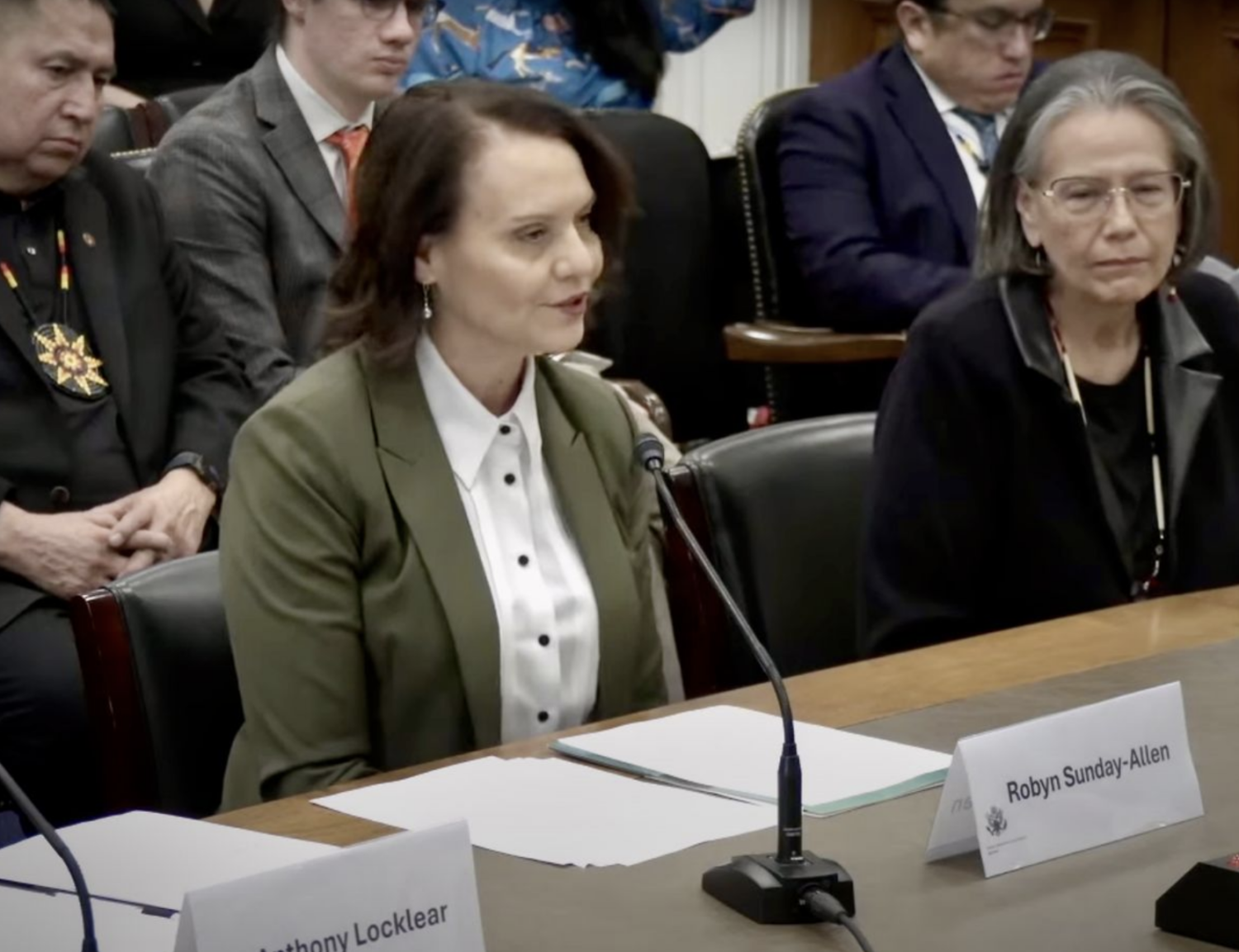
In March 2026, Sunday-Allen, on behalf of NCUIH, urged Congress to protect IHS funding, provide $106 million for Urban Indian Health for fiscal year 2027, and maintain advance appropriations until mandatory funding is achieved [4]. NCUIH’s testimony also highlighted OKCIC’s growing cancer caseload and urged Congress to protect Native cancer funding. These requests connect federal funding decisions to clinics’ ability to maintain services and support patients across the continuum of care.

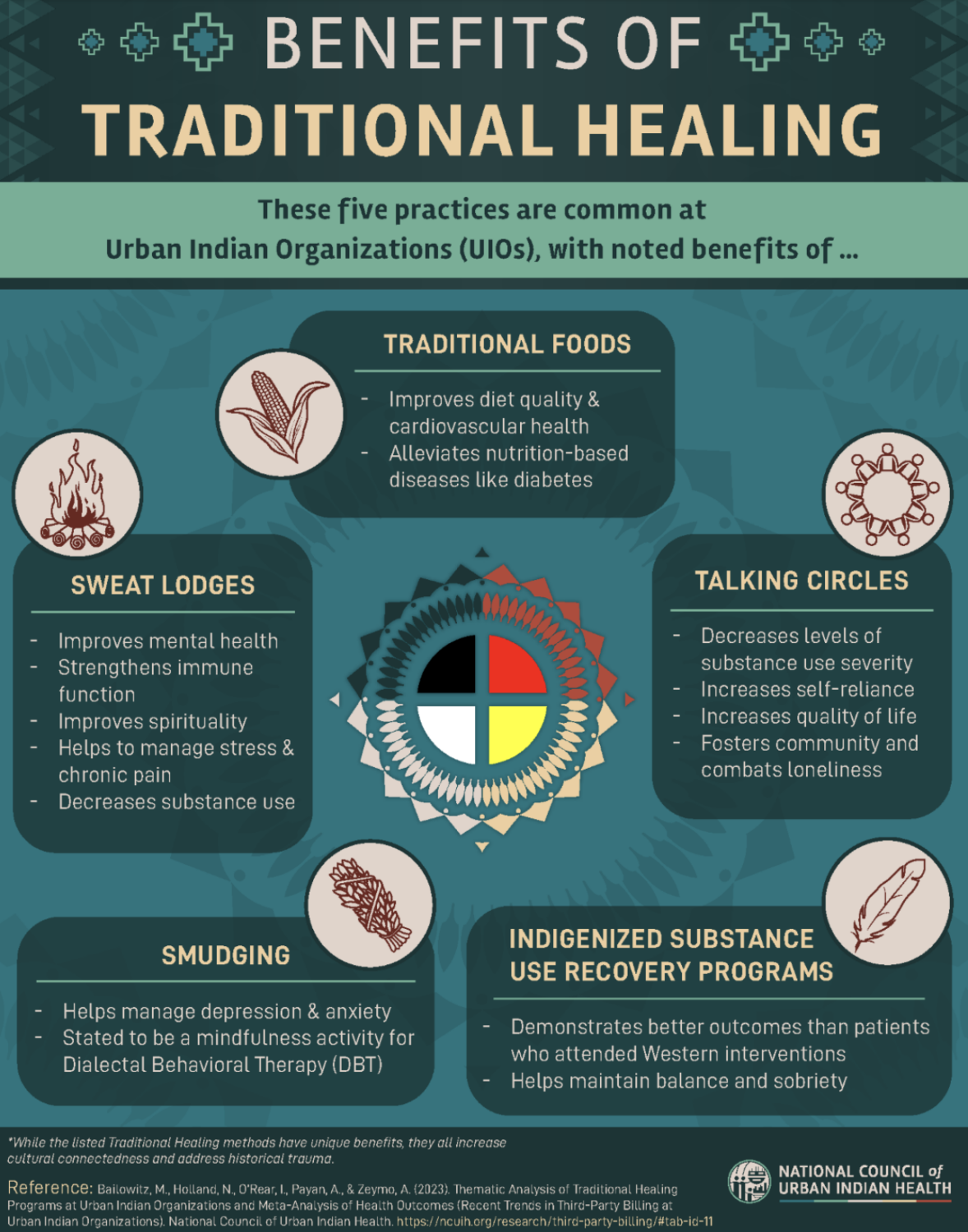
Sustaining culturally relevant care also requires resources for staff, coordination, and the traditional healing services patients choose. NCUIH’s 2023 report on traditional healing at UIOs describes traditional healers coordinating with medical providers and some UIOs offering smudging—a ceremonial practice involving the burning of sacred plants for cleansing and prayer—before medical visits or surgery [3]. The report emphasizes patient choice and recognizes that practices differ across Tribes. These approaches illustrate how health services can respect patients’ identities and chosen healing practices alongside clinical care. To learn more about traditional healing and download the infographic below, visit https://ncuih.org/traditional/.

Traditional Healing

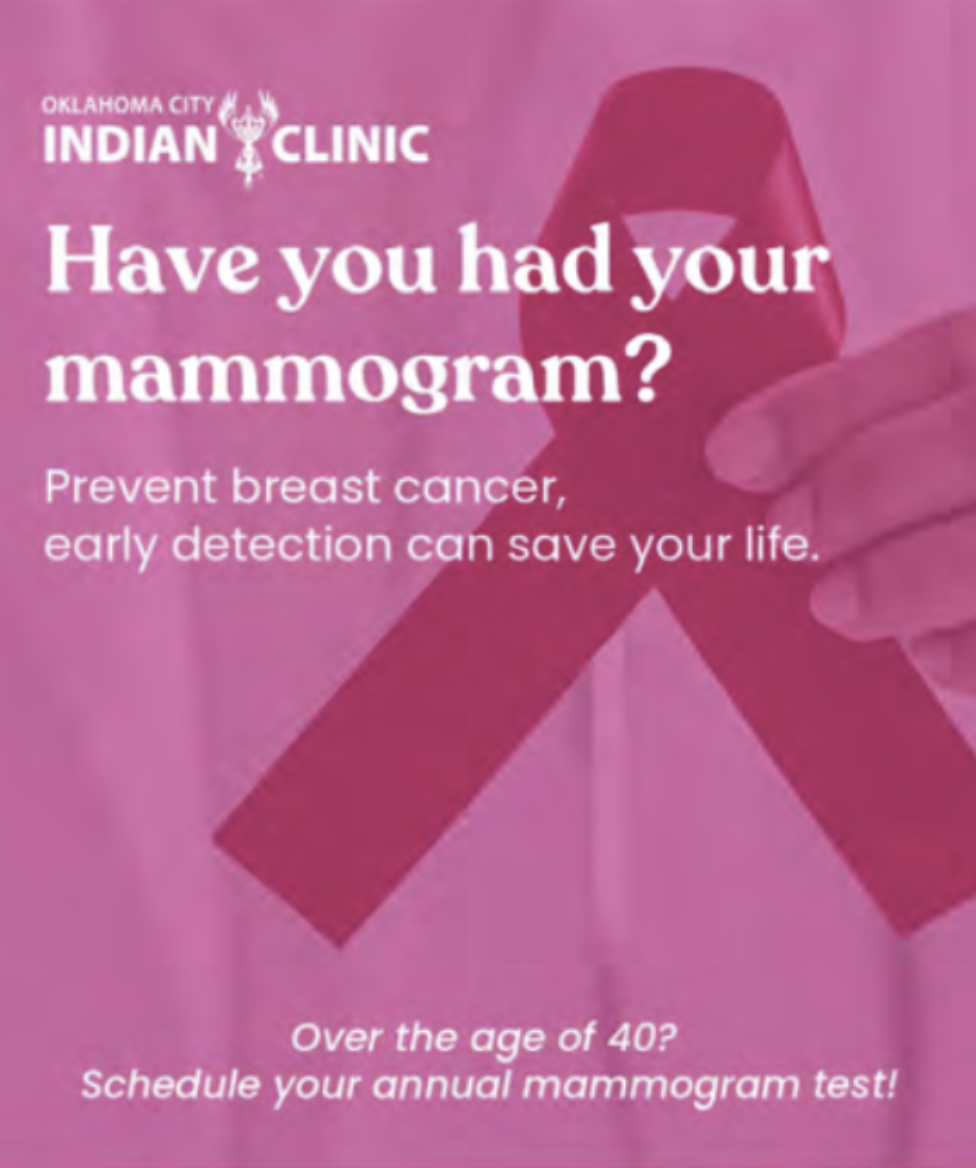
Cancer awareness must therefore extend beyond encouraging people to get screened. Patients need help understanding abnormal results and navigating what follows. Screening, diagnosis, treatment, and survivorship form a continuum of care, and the connections between those stages deserve attention and sustained funding.

Sunday-Allen puts that responsibility plainly: “We need systems that reliably carry patients from an abnormal result through diagnosis, treatment, and survivorship.”

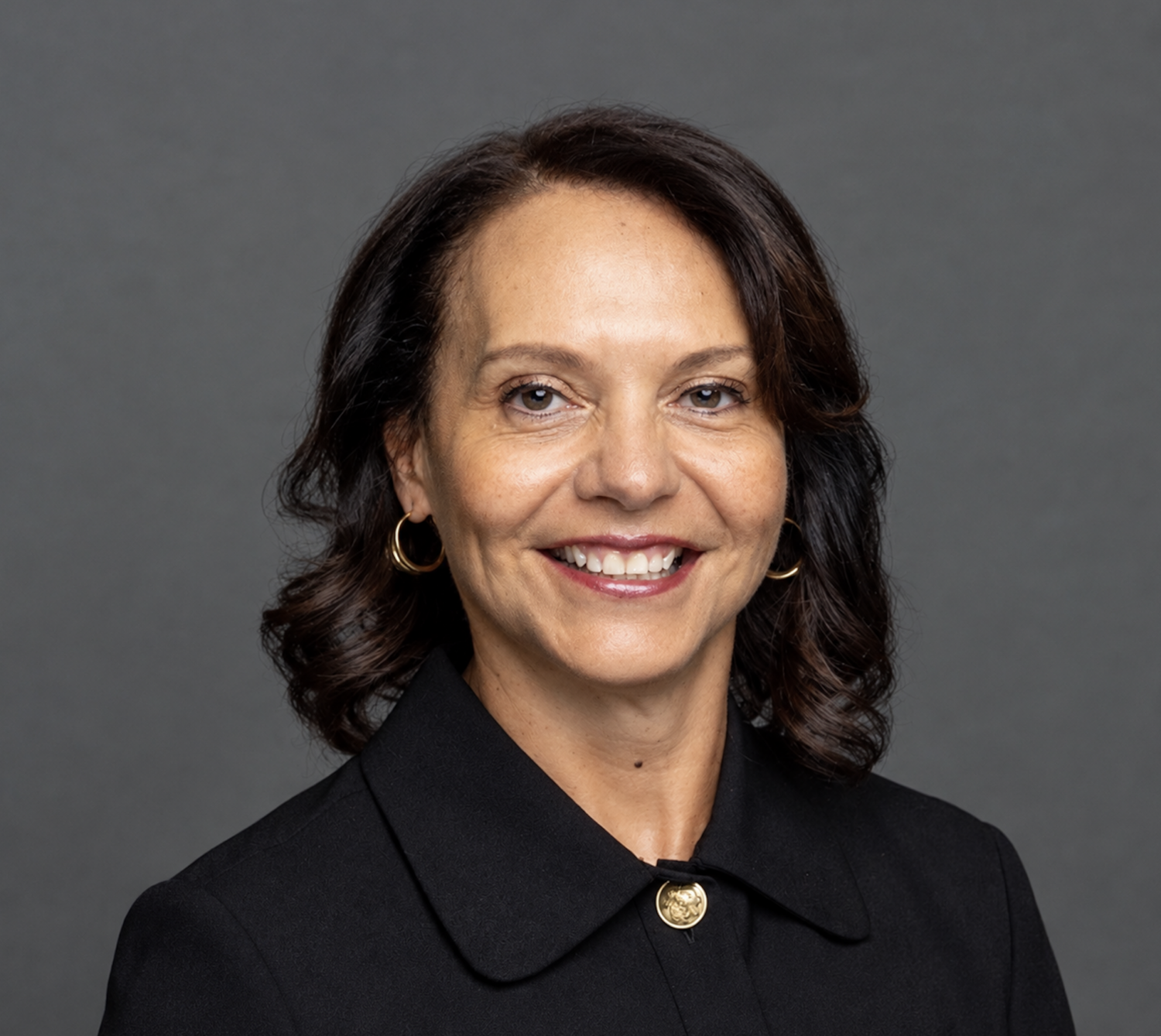
Robyn Sunday-Allen

“Native cancer disparities are not inevitable, but addressing them requires all of us to act earlier and work together,” Sunday-Allen says.

That shared responsibility is at the heart of “Keep Your Circle Strong.” Families, communities, and UIOs need support to remain present for people affected by cancer. Stable funding helps care teams follow up on abnormal results, coordinate referrals, and stay connected with patients as their needs change.

For Sunday-Allen, success extends beyond the appointment: “It’s to help them live better, maintain their strength and function, and have the opportunity to be there for their families and communities.”

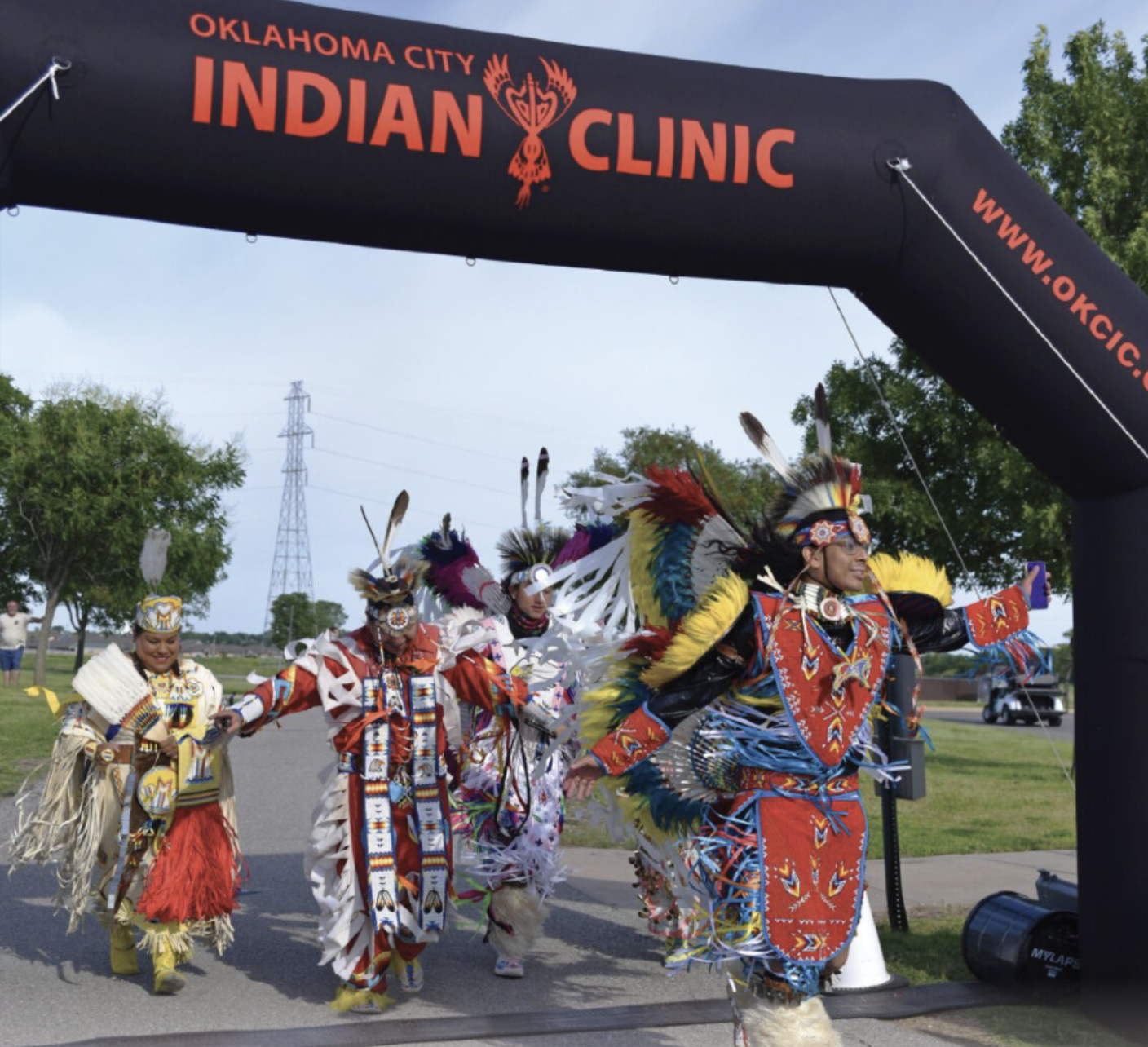
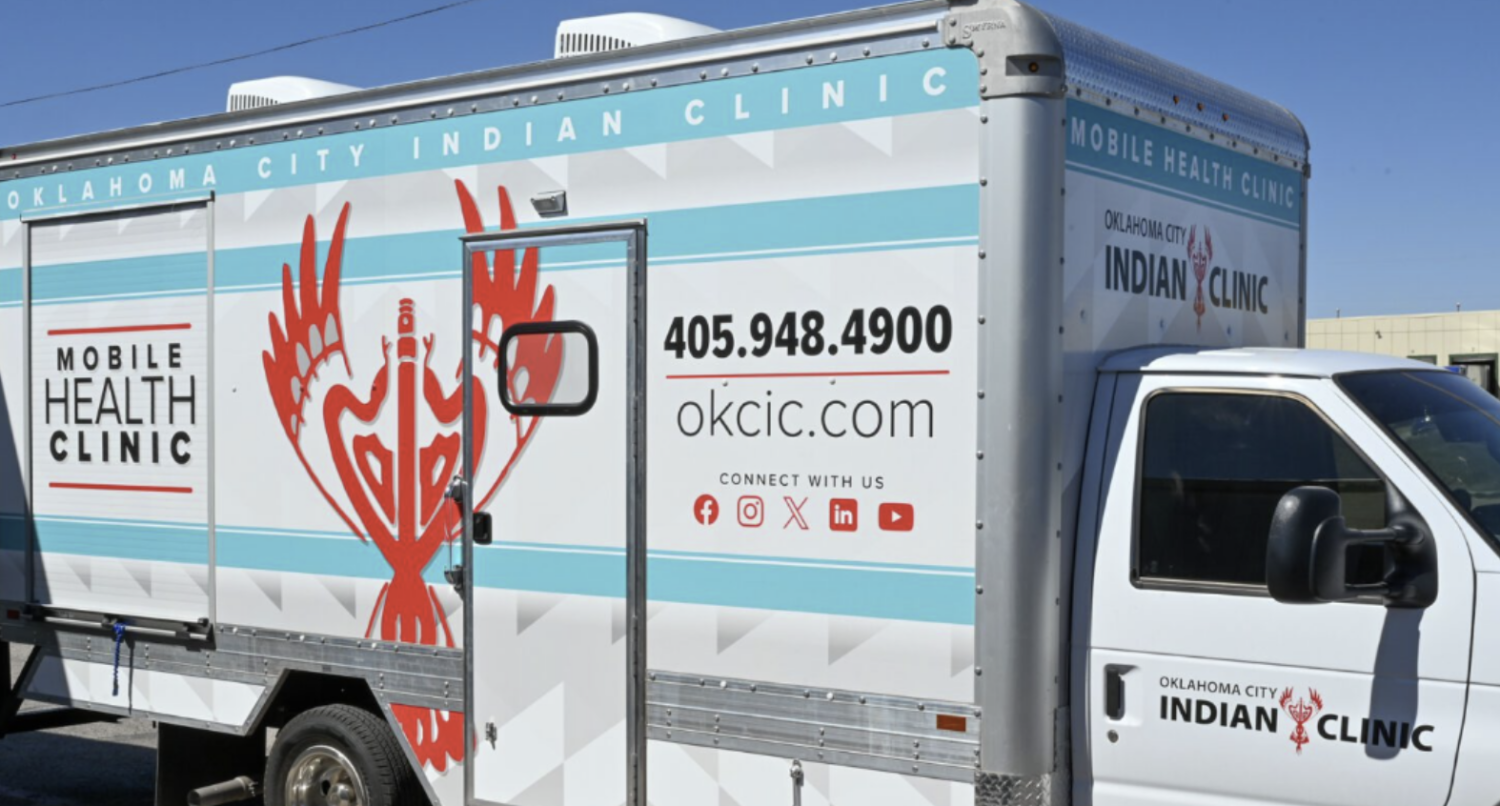
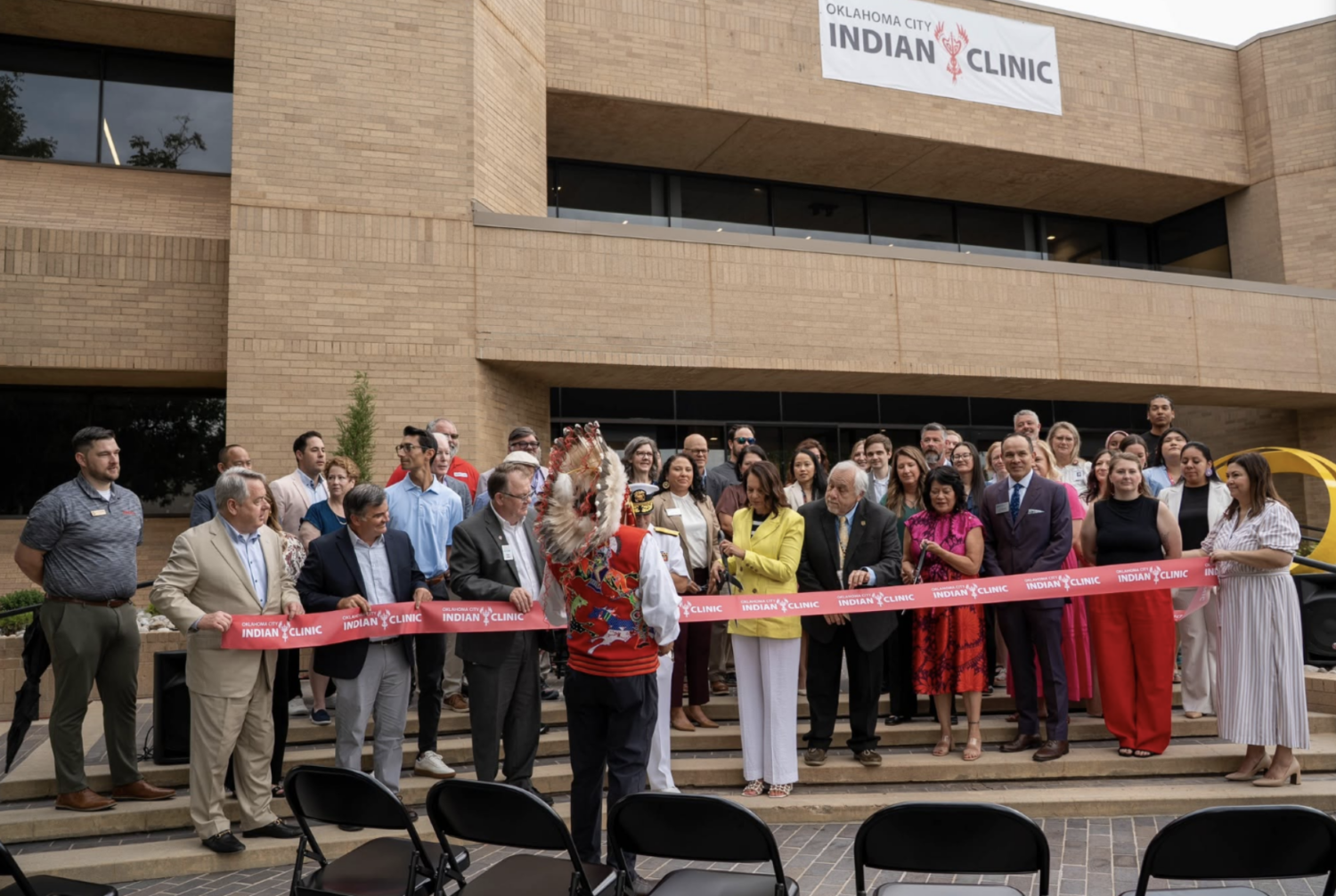
Oklahoma City Indian Clinic (OKCIC)

Sources

[1] NCUIH. Written Testimony on Protected Indian Health Service Funding and Indian Health Programs. March 17, 2025.

[2] NCUIH. 2024 Policy Assessment. 2024.

[3] NCUIH. Recent Trends in Third-Party Billing at Urban Indian Organizations: Traditional Healing Programs and Health Outcomes. 2023.

[4] NCUIH. NCUIH Submits Written Testimony Urging House to Protect Funding of Indian Health Service and Urban Indian Health. March 13, 2026. https://ncuih.org/2026/03/13/ncuih-submits-written-testimony-urging-house-to-protect-funding-of-indian-health-service-and-urban-indian-health/

image_pdfPDFimage_printPrint

Cancer Care That Knows Us

Robyn Sunday-Allen on culture, connection, and cancer care at Oklahoma City Indian Clinic

Robyn Sunday-Allen on culture, connection, and cancer care at Oklahoma City Indian Clinic Robyn Sunday-Allen on culture, connection, and cancer care at Oklahoma City Indian Clinic

Cancer care reaches into everyday life. A screening appointment may mean arranging a ride or taking time away from work. A diagnosis can bring questions about treatment, family responsibilities, and what the coming months will hold. People deserve care that helps them navigate those concerns and respect what matters to them.

For Robyn Sunday-Allen, a citizen of the Cherokee Nation and Chief Executive Officer of Oklahoma City Indian Clinic (OKCIC), that responsibility shapes how her team approaches cancer care.

“Culturally relevant cancer care starts with recognizing that we’re caring for the whole person, not simply treating a diagnosis,” she said.

Her perspective comes from an Urban Indian Organization (UIO) and the American Indian and Alaska Native (AI/AN) patients it serves. Experiences with cancer vary across Tribal Nations, communities, and families, yet recurring barriers connect many of their stories. For example, research indicates that AI/AN cancer patients and survivors in urban and rural communities in the Southwest experience shared difficulties with transportation, access to services, and culturally appropriate care [1].

Sunday-Allen’s experience is featured in Keep Your Circle Strong, a Native American Heritage Month campaign from the National Council of Urban Indian Health (NCUIH) and the American Cancer Society Cancer Action Network (ACS CAN). The campaign recognizes the family, community, and UIO support surrounding people affected by cancer, and the resources those circles of care need.

Care that makes room for the whole person

At OKCIC, cultural preferences are part of the conversation from the beginning. During intake, staff ask whether there are cultural or traditional practices they should consider when providing care. Sunday-Allen described that question as a way to build trust and understand what matters to each patient.

“Patients need to feel that their identity and their culture are respected, and they aren’t being asked to leave those things at the door when they enter the health system,” she said.

That approach includes space to discuss traditional healing practices and how to coordinate them safely with conventional treatment. It also includes attention to the physical and emotional demands of cancer care.

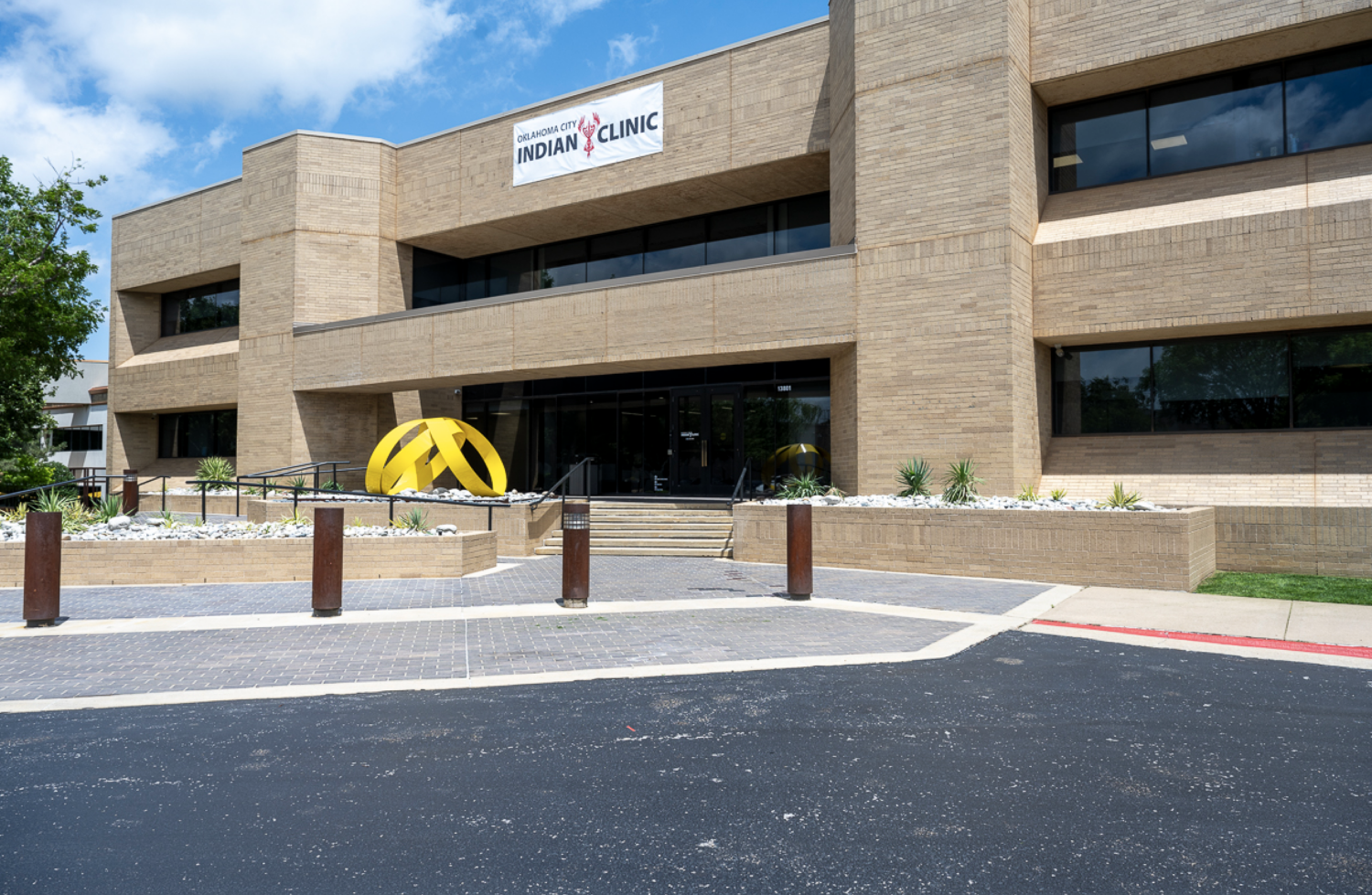
Oklahoma City Indian Clinic (OKCIC)

The clinic’s Medical Fitness program is expanding into cancer care and prehabilitation, which supports patients as they prepare for treatment. Its goals include maintaining a patient’s strength, mobility, and quality of life before, during, and after treatment. For someone living with cancer, preserving the ability to carry out daily activities can itself be a meaningful goal.

Understanding the need for connected care

Cancer was the second leading cause of death among non-Hispanic AI/AN people in 2024, according to the Centers for Disease Control and Prevention [2]. At OKCIC, Sunday-Allen reports approximately 15 to 20 new cancer diagnoses each month. Breast cancer is the most frequent diagnosis in the clinic’s cancer care program.

“Behind every diagnosis is a patient and a family,” she said.

Responding to that need means supporting the full continuum of cancer care: prevention and screening, diagnostic follow-up, treatment, and survivorship. Emotional support, symptom relief, and help with daily life may be needed throughout.

Sunday-Allen describes a clinic working across that continuum. OKCIC has strengthened screening programs, built referral relationships, and developed a cancer registry to better understand diagnoses by age, gender, and Tribal affiliation. The aim is to connect what the clinic learns about its patients with the services they need.

Sunday-Allen’s commitment is also personal. Her auntie, who was like a big sister to her, passed away from colorectal cancer at 52. That loss continues to shape her determination to help other families access screening and care.

She connects that commitment to stable federal funding for Indian health care. For UIOs, that includes support through the Indian Health Service’s Urban Indian Health Program, which funds health care and referral services. Sustaining that support helps clinics maintain the staff and services patients rely on as they move from screening through diagnostic follow-up, treatment, and survivorship. Congress can support continuity of care by providing stable, adequate funding for Indian health programs.

Oklahoma City Indian Clinic (OKCIC)

“Cancer isn’t something you can simply put on hold until funding is restored,” she said.

For Sunday-Allen, the goal of delivering culturally relevant cancer care includes supporting the life people want to keep living with those around them:

“It’s to help them live better, maintain their strength and function, and have the opportunity to be there for their families and communities.”

Sources

[1] Itty, T. L., Hodge, F. S., & Martinez, F. (2014). Shared and unshared barriers to cancer symptom management among urban and rural American Indians. The Journal of Rural Health, 30(2), 206–213. https://doi.org/10.1111/jrh.12045.

[2] Centers for Disease Control and Prevention. (2026). Health of American Indian or Alaska Native population. National Center for Health Statistics. https://www.cdc.gov/nchs/fastats/american-indian-health.htm.

image_pdfPDFimage_printPrint

NCUIH October Policy Update: Traditional Healing Waivers in Utah and Maine, $1.86 Billion for IHS, 2030 Census Proposal, and UIO Summit Preparation

In this Edition:

  • IHS Releases Updated Medicare Part D Creditable Coverage Letter
  • Traditional Healing Waivers Approved in Utah and Maine
  • $1.86 Billion Planned for IHS Information Technology and Facilities
  • 340B Rebate Model Pilot Program Update
  • Bipartisan Bill to Elevate Indian Health Service Leadership Within HHS Passed House
  • New Medicaid Implementation Resources
  • Comment Opportunity: 2030 Census Proposed Rule
  • IHS Produce Prescription Pilot Program Awards
  • HHS Secretary’s Tribal Advisory Committee Meeting – HHS Visits San Diego UIO
  • NCUIH at the NCAI Annual Convention
  • UIO Summit Preparation
  • Upcoming Events and Policy Dates
  • 2027 NCUIH Annual Conference
  • Current Funding Opportunities

IHS Releases Updated Medicare Part D Creditable Coverage Letter

On October 15, 2026, the Indian Health Service (IHS) released an updated Medicare Part D Creditable Coverage Letter confirming that prescription drug coverage provided through IHS, Tribal Health Programs, and Urban Indian Organizations is creditable coverage for Medicare Part D purposes. The letter provides American Indian and Alaska Native Medicare beneficiaries with documentation of their creditable prescription drug coverage, which can help prevent or challenge Medicare Part D late-enrollment penalties.

The release follows sustained work by Tribal leaders and Indian health partners through the Centers for Medicare & Medicaid Services Tribal Technical Advisory Group (TTAG) and the National Indian Health Board’s Medicare, Medicaid and Health Reform Policy Committee (MMPC) IHS-Tribal Workgroup. The issue has been a TTAG priority since at least July 2025, with continued work among Tribal representatives, IHS, and CMS to address outstanding questions and finalize an updated letter. NCUIH is honored to participate in TTAG alongside Tribal leaders to ensure the perspectives of Urban Indian Organizations and the people they serve are represented in CMS policy discussions.

IHS encourages I/T/U Registration, Benefits Coordination, Business Office, and Pharmacy staff to inform Medicare-eligible beneficiaries about the letter and assist them in obtaining a copy when needed. Tribes and Urban Indian Organizations may use the IHS template as provided or adapt it to their local letterhead and operational practices.

Read on NCUIH’s blog.

Read the IHS Dear Tribal Leader and Urban Indian Organization Leader Letter and Creditable Coverage Letter template

Traditional Healing Waivers Approved in Utah and Maine

CMS has approved section 1115 applications from Utah and Maine to provide reimbursement for Traditional Healing for eligible beneficiaries. The Utah approval includes UIOs. The Utah waiver was approved on September 24, 2026 and took effect on October 1, 2026.

CMS determined that covering traditional health care practices is expected to be budget neutral, so neither waiver requires a specific budget neutrality expenditure limit.

Read NCUIH’s press release.

$1.86 Billion Planned for IHS Information Technology and Facilities

On October 5, 2026, HHS Secretary Robert F. Kennedy Jr. notified Congress of plans to invest $1.86 billion in the Indian Health Service (IHS) for critical information technology and facilities projects, including backlog items within the IHS Health Care Facility Construction Program.

NCUIH will monitor implementation, including how these investments reach Indian Health Care Providers across the Indian health system.

Read on NCUIH’s blog.

340B Rebate Model Pilot Program Update

The Health Resources and Services Administration’s (HRSA) 340B Rebate Model Pilot Program is scheduled to take effect January 1, 2027. At HRSA’s Tribal Consultation on September 16, 2026, Tribal and Urban leaders opposed the pilot, citing financial and administrative burden and its inconsistency with the federal trust responsibility.

On October 1, 2026, NCUIH submitted comments to HRSA requesting an exemption for Indian health care providers.

NCUIH-Endorsed Bipartisan Bill to Elevate Indian Health Service Leadership Within HHS Passed House

On September 15, 2026, the House unanimously passed the bipartisan Stronger Engagement for Indian Health Needs Act of 2025 (H.R.741). The bill, which was introduced in the House of Representatives by Congressmen Greg Stanton (D-AZ-04) and David Joyce (R-OH-14), would formally elevate the IHS Director’s position within the federal government, strengthening Tribal representation in federal health decision-making and reinforcing the federal government’s trust responsibility to provide health care to American Indian and Alaska Native people.

Next Steps: The bill will now need to be passed by the Senate. The Senate currently has companion legislation which was introduced by U.S. Senators Catherine Cortez Masto (D-NV) and Mike Rounds (R-SD).

Read on NCUIH’s blog.

New Medicaid Implementation Resources

NCUIH has developed resources to help UIOs respond to the new Medicaid requirements:

  • UIO Implementation Guide: Steps UIO staff should have in place and actions staff can take when applicable protections are not recognized correctly.
  • Patient Handout: Steps patients should take after receiving a Medicaid work or renewal notice.

View the resources at https://ncuih.org/medicaid-changes/

Comment Opportunity: 2030 Census Proposed Rule

The U.S. Census Bureau has issued a proposed rule that would make significant changes to the 2030 Census, including the proposed removal of race and ethnicity questions. If finalized, the changes could significantly affect annual federal appropriations in Indian Country, since federal agencies use Census data to determine funding levels, program eligibility, and allocations for Tribal communities.

A Tribal consultation was held on October 2. Written comments are due on November 2, 2026.

Read on NCUIH’s blog.

IHS Produce Prescription Pilot Program Awards

On September 22, 2026, IHS announced $3.5 million in funding through Phase 2 of the Produce Prescription Pilot Program (P4), supporting 14 Tribal and urban Indian recipients. NCUIH congratulates the recipients.

Read on NCUIH’s blog.

HHS Secretary’s Tribal Advisory Committee Meeting – HHS Visits San Diego UIO

From September 22-24, 2026, NCUIH attended the Department of Health and Human Services (HHS) Secretary’s Tribal Advisory Committee (STAC) in Jamul, California. The STAC’s primary purpose is to seek consensus, exchange views, share information, provide advice and/or recommendations; or facilitate any other interaction related to intergovernmental responsibilities or administration of HHS programs.

As part of the HHS STAC site visits, San Diego Community Health Center welcomed Tribal leaders, federal officials, and health partners for a firsthand look at the vital work of UIOs.

As part of the HHS STAC site visits, San Diego Community Health Center welcomed Tribal leaders, federal officials, and health partners for a firsthand look at the vital work of UIOs.

NCUIH was honored to attend the swearing-in ceremony for Mark Cruz as Director of IHS during the meeting and looks forward to continuing our work together to strengthen the Indian health system and advance the health of AI/AN people, including those served by UIOs.

NCUIH at the NCAI Annual Convention

NCUIH participated in the National Congress of American Indians (NCAI) 83rd Annual Convention and Marketplace in Palm Springs, California, engaging with Tribal leaders, federal officials, and national partners to advance priorities across the Indian health system.

NCUIH Board President Robyn Sunday-Allen served as Co-Chair of NCAI’s Health Subcommittee alongside the National Indian Health Board, helping lead discussions on critical health policy resolutions. NCUIH Board Vice-President Walter Murillo sponsored a resolution urging HRSA to exempt Indian health care providers from the 340B Rebate Model Pilot Program. NCUIH also worked with Tribal partners to strengthen a resolution on Indian-specific Medicaid Section 1115 demonstration waivers and proposed budget neutrality changes, including an amendment explicitly recognizing urban Indian communities. Both resolutions advanced through NCAI’s Human Resources Committee.

NCUIH leadership also met with Indian Health Service Director Mark Cruz to discuss longstanding priorities, including permanent 100% federal medical assistance percentage (FMAP) for Urban Indian Organizations and reimbursement policies that support access to care. NCUIH also engaged with Congressman Raul Ruiz (D-CA) on Indian health priorities during the convention.

Through these discussions, NCUIH continued its work alongside Tribal leaders and federal partners to strengthen the Indian health system, uphold Tribal sovereignty, and improve access to quality health care for American Indian and Alaska Native communities.

SAVE THE DATE: November 10 – UIO and Federal Partners Summit Preparation Session

NCUIH is preparing UIOs for the Urban Indian Organization and Federal Partners Summit, which will be held on November 19, 2026, in Washington, D.C. On October 21, NCUIH held a virtual UIO Summit Preparation and Input Session to gather UIO input and support early preparation for the Summit.

UPCOMING – November 10: UIO Summit Preparation Session (virtual). This session will go over general Summit preparation and logistics for UIOs. No RSVP required.

Upcoming Events and Policy Dates

  • November 3-4: IHS Tribal Self-Governance Advisory Committee Meeting (Washington, D.C.)
  • November 10: UIO Summit Preparation Session (virtual)
  • November 19: Urban Indian Organization and Federal Partners Summit (Washington, D.C.)
  • December 15: Tribal Leaders Diabetes Committee Quarterly Meeting (virtual)
  • January 20-21, 2027: FY 2029 Area Report Presentations Webinar (virtual)

2027 NCUIH Annual Conference

The 2027 NCUIH Annual Conference will be held May 3-6, 2027, at Westin Washington, D.C. Downtown.

We are excited to welcome Urban Indian Organizations, health care professionals, policymakers, community leaders, advocates, and partners from across the country. Through educational sessions, networking opportunities, and advocacy-focused discussions, attendees will connect, share best practices, strengthen partnerships, and explore solutions to critical issues impacting urban Indian health. Together, we will advance efforts to improve the health and well-being of urban Indian communities.

Conference Agenda:

  • May 3: Board Training – Board Training is free and does not require conference registration. Select the “IHS and NCUIH-Sponsored Events” ticket and choose “Yes, register me” for Board Training.
  • May 4-5: Conference Programming
  • May 6: Hill Day – Participation is limited to staff and leadership of IHS-funded UIOs. Pre-registration is required and will be sent out in March 2027.

Important Deadlines:

  • Early Bird Registration Deadline: December 18, 2026
  • Call for Proposals Submission Deadline: November 3, 2026
  • Award Nominations Submission Deadline: February 5, 2027
  • Learn more at ncuih.org/conference.

Current Funding Opportunities

FY 2027 Tribal Maternal, Infant, and Early Childhood Home Visiting (MIECHV) Program: Development and Implementation Grants

  • Purpose: Five-year cooperative agreements to support federally recognized Tribes, Tribal organizations, and urban Indian organizations in developing and implementing evidence-based home visiting programs for expectant families and young children.
  • Source: HHS, Administration for Children and Families, Office of Early Childhood Development. UIOs are eligible.
  • Award: Funding amount not yet specified.
  • Timeline: Forecasted opportunity. Expected to open December 1, 2026; estimated due date March 2, 2027.

View the forecasted opportunity.

Visit the NCUIH website to explore the full list of funding opportunities.

About NCUIH

The National Council of Urban Indian Health (NCUIH) is a national representative for the 41 Urban Indian Organizations contracting with the Indian Health Service under the Indian Health Care Improvement Act. NCUIH is devoted to the support and development of high quality and accessible health and public health services for American Indian and Alaska Native people living in urban areas.

NCUIH respects and supports Tribal sovereignty and the unique government-to-government relationship between our Tribal Nations and the United States. NCUIH works to support those federal laws, policies, and procedures that respect and uplift Tribal sovereignty and the government-to-government relationship. NCUIH does not support any federal law, policy, or procedure that infringes upon or in any way diminishes Tribal sovereignty or the government-to-government relationship.
image_pdfPDFimage_printPrint

IHS Releases Updated Medicare Part D Creditable Coverage Letter Following Sustained Tribal Advocacy

On October 15, 2026, the Indian Health Service (IHS) released an updated Medicare Part D Creditable Coverage Letter confirming that prescription drug coverage provided through IHS, Tribal Health Programs, and Urban Indian Organizations (UIOs) is creditable coverage for Medicare Part D purposes.

The update follows sustained work by Tribal leaders and Indian health partners, dating back to at least 2025, through the Centers for Medicare & Medicaid Services (CMS) Tribal Technical Advisory Group (TTAG) and the National Indian Health Board’s Medicare, Medicaid and Health Reform Policy Committee (MMPC) IHS-Tribal Workgroup.

Why This Matters

Medicare Part D plans may charge late-enrollment penalties to people who do not maintain creditable prescription drug coverage. Under section 1860D-13(b) of the Social Security Act, prescription drug coverage offered through IHS, Tribal Health Programs, and UIOs is deemed creditable, so a Part D plan cannot require IHS beneficiaries to pay the late-enrollment penalty.

The updated IHS letter gives beneficiaries documentation they can provide to a Part D plan. The enclosed template states that a beneficiary who had I/T/U coverage during the enrollment gap must not be assessed a late-enrollment penalty. This addresses a practical problem Tribal representatives have raised through TTAG: American Indian and Alaska Native (AI/AN) beneficiaries who should not be subject to these penalties have been assessed them and have paid more for Medicare as a result.

Sustained Work Through TTAG and MMPC

TTAG advises CMS on Medicare, Medicaid, the Children’s Health Insurance Program, and other CMS programs, and the MMPC provides technical support to TTAG. Through these forums, Tribal representatives and technical advisors worked with IHS and CMS over many months to develop an updated letter that beneficiaries can use to document their coverage, and to resolve outstanding questions about it. We appreciate IHS’s work to bring the letter across the finish line.

NCUIH is honored to participate in TTAG alongside Tribal leaders, bringing the UIO perspective into CMS policy discussions, with NCUIH policy staff serving as technical advisors.

What the New Letter Means for Tribal Health Programs and UIOs

IHS’s final materials apply across the I/T/U system. The letter is addressed to Tribal Leaders and Urban Indian Organization Leaders, and Tribes and UIOs may use the IHS template as provided or adapt it to their own letterhead and operational practices. IHS encourages I/T/U Registration, Benefits Coordination, Business Office, and Pharmacy staff to tell Medicare-eligible beneficiaries about the letter and help them obtain it when needed. IHS also encourages each organization to identify a local point of contact and establish a process for providing letters on request.

The letter may be particularly important when a beneficiary:

  • enrolls in Part D after their Initial Enrollment Period and needs to document prior creditable prescription drug coverage; or
  • requests reconsideration of a Part D late-enrollment penalty determination.

The beneficiary template also explains that Part D enrollment can help the IHS, Tribal, or Urban Indian health program providing care receive reimbursement for medications, which supports staff, programs, and services for patients and communities.

NCUIH thanks Tribal leaders, the National Indian Health Board, and IHS for their work on this issue. We will continue working alongside Tribal leaders and Indian health partners through TTAG so that Indian Health Care Providers, Tribal and urban, and the Native people they serve are reflected in federal Medicare and Medicaid policy.

Link: IHS Dear Tribal Leader and Urban Indian Organization Leader Letter and enclosed template

image_pdfPDFimage_printPrint

Secretary Kennedy Notifies Congress of Plans to Invest $1.86 Billion in the Indian Health Service

On October 5, 2026, HHS Secretary Robert F. Kennedy Jr. notified Rosa DeLauro, Ranking Member of the House Appropriations Subcommittee on Labor, Health and Human Services, Education, and Related Agencies, that the Department plans to use its Nonrecurring Expenses Fund (NEF) authority for infrastructure investments across HHS. The letter plans $1.86 billion for the Indian Health Service (IHS) for critical information technology and facilities projects, including backlog items within the IHS Health Care Facility Construction Program.

What the Letter Says

NEF authority allows HHS to transfer unobligated balances of expired discretionary resources into a fund for capital acquisitions, including information technology procurements and facility investments. The letter states that the amounts are approximate, based on current estimates, and may vary during the year and in execution.

Facilities Construction Backlog and EHR Modernization

In its October 6, 2026 weekly update, the National Indian Health Board (NIHB) reported that the plan includes $1.4 billion toward the 1993 Facilities Construction Backlog, exceeding the $1 billion HHS announced earlier this year, and an additional $410 million for Electronic Health Records (EHR) modernization at IHS.

NIHB called the commitment “historic” and attributed it to Tribal Nations’ advocacy and Tribal leaders’ push for the federal government to meet its trust and treaty obligations. NIHB said it will continue to monitor the item as the appropriations process develops.

NCUIH commends the Secretary’s commitment and recognizes the sustained advocacy of Tribal Nations, Tribal leaders, and the Indian health community that made it possible.

Next Steps for Urban Indian Organizations

The letter does not address Urban Indian Organizations (UIOs). NCUIH will monitor implementation, including how health information technology investments reach Indian Health Care Providers across the Indian health system, and the appropriations process as it develops.

Background

The NEF authority was provided by Section 223 of Division G of the Consolidated Appropriations Act, 2008 (42 U.S.C. 3514a; P.L. 110-161). In February 2026, HHS announced $1 billion in existing departmental resources from the NEF for priority IHS health care facilities projects beginning in FY 2027, focused on the 1993 IHS Construction Priority List. The Continuing Appropriations and Extensions Act, 2027 (H.R. 6500) maintains federal funding at Fiscal Year 2026 levels through December 11, 2026, and Congress will continue to negotiate full-year Fiscal Year 2027 appropriations.

NCUIH, HHS Secretary Kennedy Jr. Announces $1 Billion in Infrastructure Investment for IHS

NCUIH, Congress Extends Government Funding Through December

NCUIH March Policy Update: Congressional Testimony, Medicaid Guidance, and IHS Policy Developments

IHS Vertical Status Report

image_pdfPDFimage_printPrint