November Policy Updates: Area Budget Formulation Underway, Medicaid Unwinding Webinar

Happy Native American Heritage Month!

In This Edition: Congress has passed its short-term funding bill, conference season is underway, and many more developments in urban Native health policy.

📰 November marks the observance of Native American Heritage Month, a time to honor and celebrate the rich cultures, histories, and contributions of Native American and Indigenous communities.

Why it matters: Native American Heritage Month serves as a reminder of the resilience and strength of Indigenous communities throughout history. The National Council of Urban Indian Health (NCUIH) channels this spirit into advocacy efforts aimed at influencing policies that impact the health and wellness of urban Indians. By actively engaging with policymakers, stakeholders, and partners, we strive to create an environment where health policies are inclusive and considerate of the unique challenges urban populations face. Read more about our policy priorities here.

Our thought bubble: Together, let us honor the resilience and contributions of Native American communities by continuing to advocate for their health and well-being.

Crisis Averted: President Biden to Sign Temporary Spending Bill to Fund U.S. Government Into the New Year

On November 15, 2023, a full government shutdown was averted when Congress passed a two-tiered Continuing Resolution (CR) serving as a stopgap spending measure. The CR was signed into law by President Biden on November 16, 2023.

What is included: The CR includes two funding deadlines for the twelve appropriations accounts, January 19 and February 2.

The bottom line: Last year, Congress authorized $5.13 billion in advanced appropriations for IHS, insulating the majority of IHS programs from the worst effects of a government shutdown.

Go deeper: The CR re-authorized the Special Diabetes Program for Indians (SDPI) until January 19th at $25.89 million, and funds IHS accounts not receiving advanced appropriations at FY23 levels through February 2nd.

Did you know?: President Biden requested $250 million for IHS in emergency supplemental funding in response to the current opioid epidemic. Congress has not included this funding in this CR.

Moving Forward: Congress will continue negotiating a final spending bill during this time and NCUIH will monitor for updates.

Policy Webinar: Medicaid Unwinding for Urban Indian Organizations

Join NCUIH for a webinar on Medicaid Unwinding for UIOs where we will provide an overview on Medicaid unwinding, updates on our partnership efforts and the effect this work has the urban Native community. We will also discuss best practices and share updates on changes around the unwinding.

Register Here

Federal Updates: Prep Session for Budget Formulation, CMS Application

ICYMI: On November 7, NCUIH held a Prep Session for IHS Budget Formulation. NCUIH provided a PowerPoint template and suggested Talking Points for UIO leaders to use during their IHS Area Budget Formulation meetings.

  • UIOs may email policy@ncuih.org to request a copy of the template and talking points, and to set up a 1:1 session to discuss directly.

CMS Releases New Resources for ‘Making Care Primary Model’ Application – Available in 6 States with UIOs

  • CMS has released a user-friendly Application Manual for the Making Care Primary (MCP) Model, supporting user registration, portal navigation, and application submission.

  • The 10.5-year model, launching on July 1, 2024, aims to enhance care management and coordination, empower primary care clinicians, and address health-related social needs.

  • CMS, collaborating with State Medicaid Agencies in CO, NC, NJ, NM, NY, MN, MA, and WA, invites organizations to apply for the model, fostering full care transformation across payers.

  • Applications, due by November 30, 11:59 PM, can be initiated early for tailored support.

  • For details, visit the Request for Applications (RFA) or contact MCP@cms.hhs.gov.”

Upcoming Events and Important Dates including Area Budget Formulation Meetings

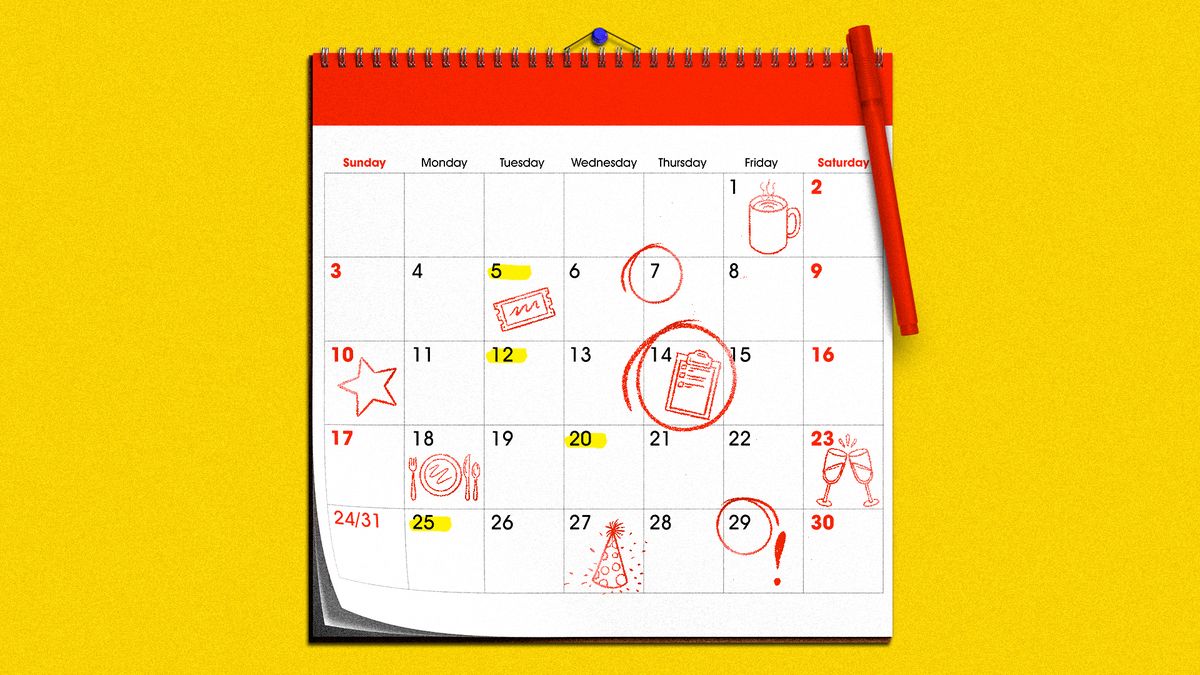
Upcoming events and important dates:

  • Nov 28– IHS Portland Area Budget Formulation Meeting

  • Nov 28-29 – HHS Secretary’s Tribal Advisory Committee (STAC) in Washington, DC

  • Nov 30 – IHS National Tribal Advisory Committee (NTAC) Quarterly Meeting

  • Der 5– IHS Phoenix Area Budget Formulation Meeting

  • Dec 5-6 – Tribal Leaders Diabetes Committee Quarterly Meeting in-person in Portland, Oregon and virtual

  • Dec 6-7 – White House Tribal Nations Summit

  • Dec 11-12 – Department of Interior Self-Governance Advisory Committee Meeting

  • Dec 12– IHS Alaska Area Budget Formulation Meeting

  • Dec 13– IHS California Area Budget Formulation Meeting

  • Dec 13, 11:00 am – 5:30 pm EST- IHS Virtual Health Information Technology Modernization Summit (Register)

Go deeper: The Indian Health Service Virtual Health Information Technology Modernization Summit on December 13, 2023 is an opportunity for Tribal and UIO leaders to learn more about the new Electronic Health Record (EHR) and engage in robust and meaningful conversations with the IHS on important issues impacting Tribal and urban Indian communities as a result of the HIT Modernization program. During the Virtual Summit, IHS will host a caucus allowing Tribal and UIO leaders the opportunity to independently exchange viewpoints and share information. View the Virtual Summit Agenda here.

  • Dec 13– Great Plains Area Budget Formulation Meeting

  • Dec 14– Nashville Area Budget Formulation Meeting

NCUIH in Action: NCAI 80th Annual Convention & Marketplace, FedBar Presentation

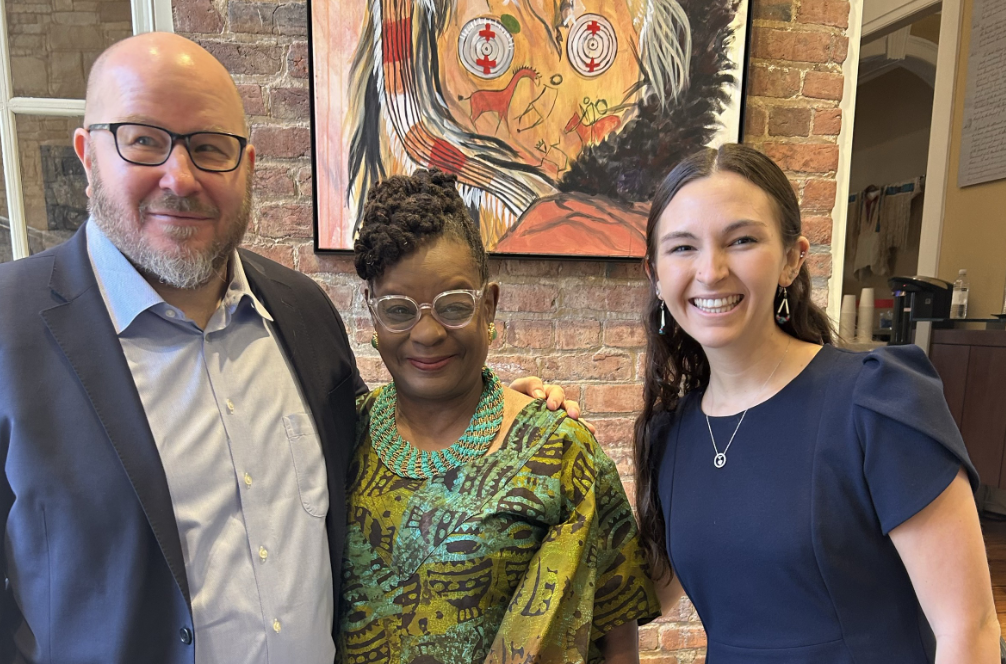
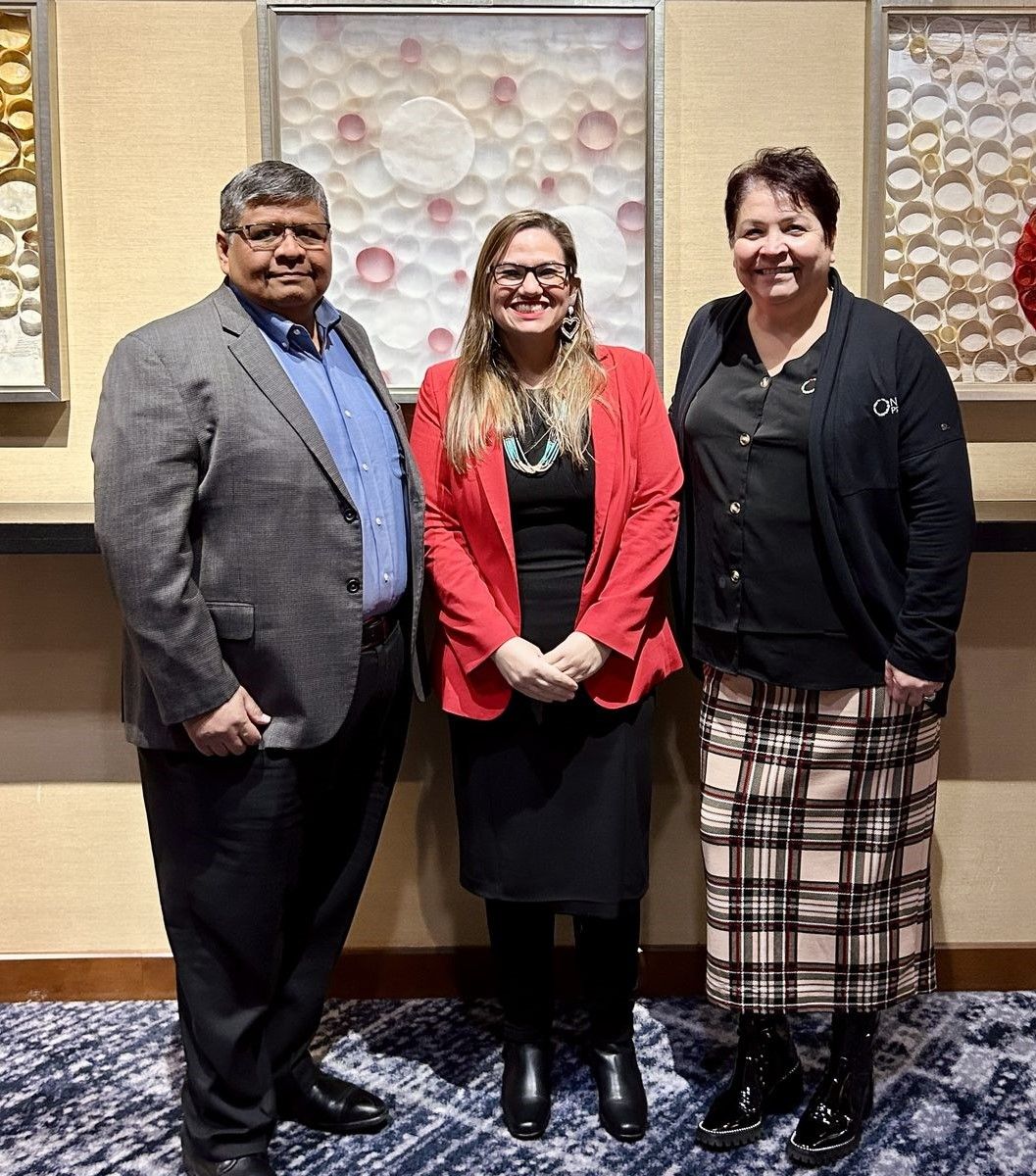
Pictured: Francys Crevier, JD (Algonquin) NCUIH CEO and Walter Murillo (Choctaw) NCUIH Board President-Elect

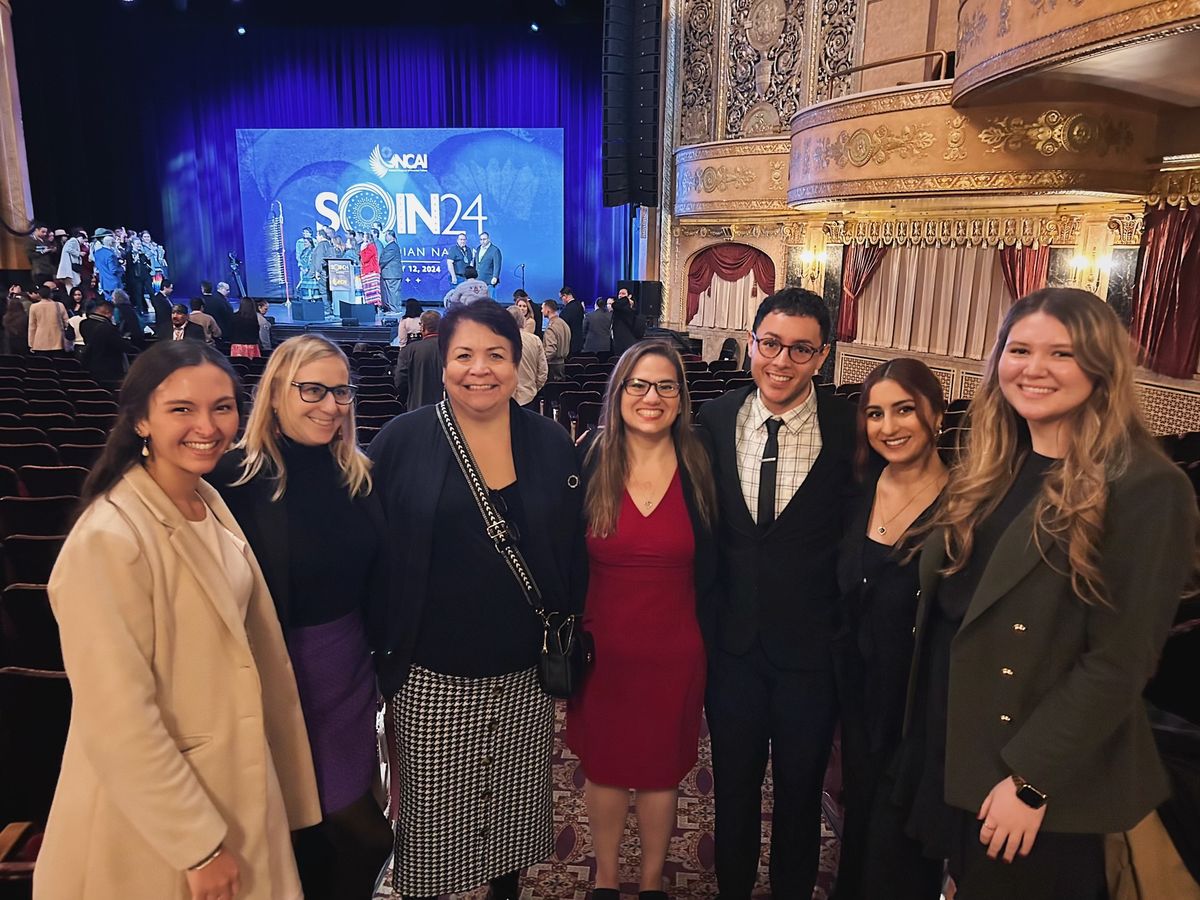
NCUIH leadership participated in the 80th Annual Convention & Marketplace in New Orleans, Lousiana, emphasizing our commitment to advancing Indigenous health initiatives.

The big picture: NCAI elections were held for the new 2023-2025 Executive Committee: Mark Macarro, Chairman of Pechanga Band of Luiseño Indians – President; Brian Weeden, Chairman of the Mashpee Wampanoag Tribe – Vice President; Nickolaus D. Lewis, Lummi Nation Council Member – Recording Secretary; David Woerz, Chickasaw Nation Legislator – Treasurer.

One big thing: On November 3rd, NCUIH CEO Francys Crevier (Algonquin), JD, presented at the Federal Bar DC Indian Law Conference on “The Fight for Equity in Indian Country.” In her speech, she highlighted how important full, stable funding is for Indian health.

NCUIH CEO Francys Crevier (Algonquin), JD presents at Federal Bar DC Indian Law Conference.


Honoring Native Veterans: Bakersfield American Indian Health Project Organizes California’s First-Ever All Native American Honor Flight to Washington, DC

Pictured: Individuals wearing blue coats signify Native veterans who have served in the military.

On November 3, 2023, Native Veterans gathered at the National Native American Veterans Memorial in Washington as part of Kern County Honor Flight #48, California’s first Honor Flight made up of all Native American Veterans.

Go deeper: NCUIH member organization, Bakersfield American Indian Health Project, helped to organize this important trip. CEO, Angel Galvez (Tarasco and Purepecha), and BAIHP Board Secretary, Laura Juarez (Comanche) chaperoned Native Veterans from Kern County Honor Flight and participated in the Kern Country Honor Flight to honor their relatives who served in the Korean War.

L to R: Bakersfield American Indian Health Project (BAIHP) CEO, Angel Galvez (Tarasco and Purepecha), and BAIHP Board Laura Juarez (Comanche)

Army Veteran Sonya Tetnowski (Makah), NCUIH Board President and CEO of Indian Health Center of Santa Clara Valley

NCUIH would like to acknowledge the service of Sonya Tetnowski, NCUIH Board President and CEO of the Indian Health Center of Santa Clara Valley who served as an Army Paratrooper. Ms. Tetnowski also currently serves as a member of the Department of Veterans Affairs Advisory Committee on Tribal and Indian Affairs.

The bottom line: NCUIH honors all those who have served, especially the invaluable contributions of Native Veterans who have historically served at the highest rates among all Americans. We extend our deepest gratitude to Native Veterans and all Veterans for their selfless service and dedication to preserving the freedoms we hold dear.

Vice President Harris Applauds Urban Indian Organization, NATIVE HEALTH, as First Pilot Site for Indian Health Service Voter Registration Program

On March 5, 2023, President Biden announced agency actions to make the voting process more accessible in alignment with recommendations made by the Native American Rights Fund (NARF). This included a new initiative at the Indian Health Service (IHS) piloting “high-quality voter registration services across five different IHS facilities before the end of 2023”.

On October 23, 2023, Vice President Kamala Harris announced that the first facility under this pilot program will be NATIVE HEALTH, located in Phoenix, Arizona.

Did you know? Voting as a Social Determinant of Health has been acknowledged by the American Medical Association (AMA), and was included in their resolution from  2022, “Support for Safe and Equitable Access to Voting.”

NCUIH Welcomes Not Invisible Act Commission Report to Congress and Administration

At the start of National Native American Heritage Month, the Not Invisible Act Commission released its report entitled “Not One More” urging Congress and the Biden Administration to take immediate action to address the related crises of Missing and Murdered Indigenous Persons (MMIP) and human trafficking of Indigenous persons (HT).

Did you know?: NCUIH endorsed and advocated for the passage of the legislation that created the Commission and NCUIH’s Board President, Sonya Tetnowski (Makah), served on the Commission.

What they’re saying: “It was an honor to serve on this commission with so many tribal leaders from across Indian Country.  We as a commission heard from over 260 survivors, families, advocates, government agencies, and law enforcement to understand the impact from as many perspectives as possible. This 200-plus page report should be the beginning of this process as we know that each recommendation will require specific work to accomplish,” said Ms. Tetnowski.

Why it matters: The Commission’s report is a resounding call to the United States to fulfill its trust responsibility to American Indians and Alaska Natives and address the public health and public safety in Native communities caused by centuries of policies designed to attack Tribal Nations and Native ways of living.

What else: The Commission specifically recognized the impact of federal policies on Native people living in urban areas, highlighting the testimony of one witness who told the Commission “We can’t forget the urban relocation programs in the 50s; I hope this Commission doesn’t forget those relatives that are living off rez.”

What’s next: The Not Invisible Act requires the Secretary of the Interior and the Attorney General to make publicly available and submit a written response to the recommendations within 90 days to the Commission and Congress.

New Report Estimates 400,000 Native Americans Terminated from Medicaid During Unwinding

The report is co-authored by the Asian and Pacific Islander American Health Forum, the Leadership Conference on Civil and Human Rights, NAACP, the National Council of Negro Women, the National Council of Urban Indian Health, the National Urban League, the Southern Poverty Law Center Action Fund, UnidosUS, the Coalition on Human Needs, and Protect Our Care.

NCUIH Joined 8 Organizations in Issuing Report on Impacts of Medicaid Terminations

Five Key Findings from the Report:

  1. Medicaid losses during six months of unwinding already exceed history’s greatest two-year drop in Medicaid enrollment.

  2. States have terminated Medicaid for 10 million people, causing grave harm, especially in communities of color. This includes an estimate of more than 400,000 Native Americans.

  3. More than 70% of the people terminated from Medicaid may have been eligible.

  4. The depth of Medicaid loss varies by state, to an extraordinary degree.

  5. The states with the highest termination rates have not made the investments needed to operate functional Medicaid systems.

Our thought bubble: “The report highlights the disproportionate impact Medicaid unwinding is having on Native communities,” said Francys Crevier (Algonquin), NCUIH CEO. “Medicaid and CHIP coverage are critical to fulfilling the United States’ trust responsibility to maintain and improve Native health, as inadequate insurance coverage is a significant barrier to healthcare access for Native people. Eligible Native children and families are losing coverage for administrative reasons and the federal government has a trust obligation and must do more to protect them.”

Read the Report Here

One last thing, check out these upcoming funding opportunities:

  • Healthy Start Initiative – Eliminating Disparities in Perinatal Health (Health Resources & Services Administration)

    – Deadline: December 15, 2023 (Apply)

  • Maternal and Child Health – Improving Oral Health Integration Demonstration Projects (Health Resources & Services Administration)

    – Deadline: January 22, 2024 (Apply)

  • Youth Homelessness System Improvement (Department of Housing and Urban Development)

    – Deadline: February 15, 2024 (Apply)

House Passes Interior Appropriations Bill, Includes $7.078 Billion for the Indian Health Service and Maintains Advance Appropriations

On November 3, 2023, the House of Representatives voted to approve the Fiscal Year (FY) 2024 Department of Interior, Environment, and Related Agencies Appropriations Act with a vote of 213 to 203. The bill provides a discretionary spending total of $25.417 billion, which is $13.433 billion below the FY23 enacted level and $21.37 billion below the President’s Budget Request. Despite the sizeable cut to the Interior, Environment, and Related Agencies bill, the Indian Health Service (IHS) received a 2.2% increase.

The bill authorizes $7.078 billion for IHS— an increase of $149 million from FY23 but $2.6 billion below the President’s request. Advance appropriations for IHS were maintained for FY25 and increased from $4.9 billion in FY24 to $5.8 billion for FY25. The bill also authorizes $115 million for the Urban Indian Health line item, a $15 million increase from the FY23 enacted level. Other key provisions include: $3 million for generators at IHS/Tribal Health Programs/Urban Indian Organizations (UIOs), $6 million for the Produce Prescription Pilot Program for Tribes and UIOs to increase access to produce and other traditional foods, as well as $35 million for Tribal Epidemiology Centers (TECs).

Line Item FY23 Enacted FY24 TBFWG Request FY24 President’s Budget FY24 House Passed
Urban Indian Health $90,419,000 $973,590,000 $115,150,000 $115,150,000
Indian Health Service $6,958,223,000 $50,996,276 $9,700,000,000 $7,078,223,000
Advance Appropriations $5,129,458,000 $9,100,000,000 $5,129,458,000 $5,878,223,000

Next Steps

On November 15, 2023, Congress passed a Continuing Resolution (CR) that will keep the government funded through the beginning of 2024. Until the CR expires, the House and Senate will remain in negotiations to pass a bill that will fund the government through the rest of the fiscal year.  Although the House of Representatives passed their version of the bill, it is unlikely to pass through the Senate. NCUIH will continue to monitor the state of appropriations and advocate for House-level funding in any funding negotiations or Omnibus legislation. The Senate introduced a separate Interior Appropriations bill on July 27, 2023. This bill has passed out of the Senate Appropriations Committee and is awaiting a full Senate vote. A date for this vote has not been set.

Background

On July 18, 2023, the House Appropriations Subcommittee on Interior, Environment, and Related Agencies released the Committee Bill Report for the FY24 budget with $115,156,000 for Urban Indian health. The bill appropriates $25.4 billion for Interior, Environment, and Related Agencies, which is $13.4 billion below the fiscal 2023 levels and $21.3 billion below the Biden Administration’s request.  Despite the sizeable cut to the Interior, Environment, and Related Agencies bill and reducing funding for nearly every account to below FY23 enacted levels, the Indian Health Service (IHS) received a 2.2% increase.

The report and bill were approved by the House Subcommittee on Interior on July 13, 2023 and approved with amendments by the full House Appropriations Committee on July 19, 2023. The bill authorizes $7.078 billion for IHS— an increase of $149 million from FY23 but $2.6 billion below the President’s request. Advance appropriations for IHS was maintained for FY25 and received an increase to $5.8 billion from $4.9 billion in FY24.

On March 9, 2023, President Biden released his budget request for FY24 which included $9.7 billion for IHS and proposed mandatory funding for IHS from FY 2025 to FY 2033 to the amount of $288 billion over-ten years as well as exempting IHS from sequestration.

Opportunity for Native Representation on the Census National Advisory Committee

The Census Bureau is seeking nominiations for the National Advisory Committee on Racial, Ethnic and Other Populations (“NAC”). The purpose of the NAC is to provide advice to the Census Director on the full range of economic, housing, demographic, socioeconomic, linguistic, technological, methodological, geographic, behavioral, and operational variables affecting the cost, accuracy and implementation of Census Bureau programs and surveys, including the decennial census. Nominations must be received on or before Wednesday, January 10, 2024, and should be emailed to census.national.advisory.committee@census.gov with the subject line “2024 NAC Nominations.” This is an opportunity for American Indians and Alaska Natives (AI/AN), to examine areas such as students and youth, aging populations, race/ethnic distribution, and AI/AN tribal considerations.

Nominations

Individuals, groups, and/or organizations may submit nominations on behalf of candidates. A summary of the candidate’s qualifications (resumé or curriculum vitae) must be included along with the nomination letter. Nominees must be able to actively participate in the tasks of the committee, including, but not limited to, regular meeting attendance, committee meeting discussant responsibilities, review of materials, as well as participation in conference calls, webinars, working groups, and/or special committee activities.

Policy Alert: FY23 Funding Extended, Averting a Government Shutdown

On November 15, 2023, a full government shutdown was averted when Congress passed a two-tiered Continuing Resolution (CR) serving as a stopgap spending measure. The CR was signed into law by President Biden on November 16, 2023.

What is included:

The CR includes two funding deadlines for the twelve appropriations accounts, January 19 and February 2. Last year, Congress authorized $5.13 billion in advanced appropriations for IHS, insulating the majority of IHS programs from the worst effects of a government shutdown. The CR re-authorized the Special Diabetes Program for Indians (SDPI) until January 19th at $25.89 million, and funds IHS accounts not receiving advanced appropriations at FY23 levels through February 2nd. President Biden requested $250 million for IHS in emergency supplemental funding in response to the current opioid epidemic. Congress has not included this funding in this CR.

Moving Forward:

Congress will continue to negotiate a final spending bill during this time and NCUIH will monitor for updates.

PRESS RELEASE: NCUIH Welcomes Not Invisible Act Commission Report to Congress and Administration

Commission Urges Immediate Action to Address Missing and Murdered Indigenous Persons and Human Trafficking Crises

FOR IMMEDIATE RELEASE

WASHINGTON, D.C. (November 17, 2023) – At the start of National Native American Heritage Month, the Not Invisible Act Commission released its report entitled “Not One More” urging Congress and the Biden Administration to take immediate action to address the related crises of Missing and Murdered Indigenous Persons (MMIP) and human trafficking of Indigenous persons (HT). The National Council of Urban Indian Health (NCUIH) endorsed and advocated for the passage of the legislation which created the Commission and NCUIH’s Board President, Sonya Tetnowski (Makah), served on the Commission.

“It was an honor to serve on this commission with so many tribal leaders from across Indian Country.  We as a commission heard from over 260 survivors, families, advocates, government agencies, and law enforcement to understand the impact from as many perspectives as possible. This 200-plus page report should be the beginning of this process as we know that each recommendation will require specific work to accomplish,” said Ms. Tetnowski.

The Commission’s report is a resounding call to the United States to fulfill its trust responsibility to American Indians and Alaska Natives and address the public health and public safety in Native communities caused by centuries of policies designed to attack Tribal Nations and Native ways of living. The Commission specifically recognized the impact of federal policies on Native people living in urban areas, highlighting the testimony of one witness who told the Commission “We can’t forget the urban relocation programs in the 50s; I hope this Commission doesn’t forget those relatives that are living off rez.”

Background

NCUIH along with other National Native Organizations worked in support of the Not Invisible Act legislation, which was enacted in October 2020. The Act required the Secretary of the Interior, in coordination with the Attorney General to establish and appoint a joint commission on violent crime against American Indians and Alaska Natives. Secretary of the Interior Haaland was the lead sponsor of the Not Invisible Act when she served in Congress. The bill was passed unanimously by voice vote in both chambers of Congress.

Commissioner Sonya Tetnowski is a citizen of the Makah Tribe and CEO of the Indian Health Center of Santa Clara Valley. She currently serves as the president of both NCUIH and the California Consortium of Urban Indian Health (CCUIH). Ms. Tetnowski works daily in support of the health and wellness services to American Indians and Alaska Natives living in urban areas. Violence against American Indians and Alaska Natives is a public health crisis and is considered a social determinant of health (SDOH). Both NCUIH and CCUIH are committed to the reduction of violence impacting Native communities.

Next Steps

The Not Invisible Act requires the Secretary of the Interior and the Attorney General to make publicly available and submit a written response to the recommendations within 90 days to the Commission and Congress. NCUIH will continue to uplift the work of the Commission and analyze the federal government’s response for further action once released.

IHS to Host Health Information Technology Modernization Program Virtual Summit for Tribal and Urban Indian Leaders on December 13

On November 13, 2023, the Indian Health Service (IHS) released a Dear Tribal Leader Letter (DTLL) and Dear Urban Indian Organization (UIO) Leader (DULL) letter announcing that they will be hosting a Health Information Technology (HIT) Modernization Program Virtual Summit (Virtual Summit) on Wednesday, December 13, 2023 from 11:00 am – 5:30 pm EST. This one-day Virtual Summit is an opportunity for Tribal and UIO leaders to learn more about the new Electronic Health Record (EHR) and engage in robust and meaningful conversations with the IHS on important issues impacting Tribal and urban Indian communities as a result of the HIT Modernization program. During the Virtual Summit, IHS will host a caucus allowing Tribal and UIO leaders the opportunity to independently exchange viewpoints and share information.

Please register for the Virtual Summit here.

View the Virtual Summit Agenda here.

Background

HIT “is a broad concept that encompasses an array of technologies to store, share, and analyze health information.” This includes, but is not limited to, “the use of computer hardware and software to privately and securely store, retrieve, and share patient health and medical information.”  HIT Modernization for the IHS, Tribal organization, and urban Indian organization (I/T/U) system is long overdue. Although HIT is necessary to provide critical services and benefits to American Indian and Alaska Native patients, the IHS has historically faced challenges in managing clinical patient and administrative data through the Resource Management System (RPMS). Initially developed specifically for the IHS, years of underfunding and a resulting failure to keep pace with technological innovation have left the RPMS impractical by current HIT standards. RPMS has been in use for nearly 40 years and has developed significant issues and deficiencies during this time, especially in recent years as HIT systems have rapidly advanced in sophistication and usefulness. As the Department of Health and Human Services (HHS) Office of the Chief Technology Officer (OCTO) and IHS found in the 2019 Legacy Assessment, systemic challenges with RPMS “across all of the IHS ecosystem currently prevent providers, facilities and the organization from leveraging technology effectively.”

During the November 8, 2023 Tribal Consultation and Urban Confer on HIT Modernization, IHS announced that they have selected General Dynamics Information Technology, Inc. to build, configure, and maintain an new IHS enterprise EHR system utilizing Oracle Cerner technology. The new EHR will replace the RPMS.

NCUIH Action

NCUIH has submitted several written comments to IHS on HIT Modernization. NCUIH also submitted written testimony to the House Appropriations Subcommittee on Labor, Health and Human Services, Education, and Related Agencies regarding the Fiscal year (FY) 2024 funding for UIOs in which NCUIH requested increased funding for EHR Modernization. Specifically, NCUIH requested support for the IHS’ transition to a new EHR system for IHS and UIOs by supporting the President’s budget request of $913 million in FY 2024 appropriations.

USDA New Four-Year Tuition Coverage for Tribal Scholars Program Accepting Applications until December 1

The United States Department of Agriculture (USDA) recently announced that it is now accepting applications for the 1994 Tribal Scholars Program (the Program) to train the next generation of agricultural professionals and strengthen ties with tribal higher education institutions. This Program seeks to increase the number of American Indian and Alaska Native students studying agriculture, food, natural resource sciences, and related disciplines. The Program provides full tuition, fees, books, a housing stipend, and paid workforce training to any interested and eligible students pursuing degrees in agriculture, food, natural resource sciences, or related academic disciplines at a tribal college or university (TCU). Eligible applicants include graduating high school seniors, full-time students currently enrolled at a 1994 land-grant tribal college or university, or recent tribal college or university (TCU) associate degree graduates.

For FY 2024, 27 scholarship slots are available at:

  • Agriculture Research Service
  • Farm Service Agency
  • Farm Production and Conservation
  • Forest Service
  • National Institute of Food and Agriculture
  • Natural Resources Conservation Service

Application packages include an essay, resume, two letters of recommendation, and transcripts. The application deadline is December 1, 2023.

For more information on applying and submitting applications, click here.

Background on USDA’s Tribal College Program

The Tribal College Program was established to ensure USDA fulfills the requirements of the Equity in Educational Land-Grant Status Act of 1994 and Section 882 of the Federal Agricultural Improvement and Reform Act of 1996. These Acts established tribally controlled colleges and universities as land-grant institutions. Congress required that USDA develop a Memorandum of Agreement (MOA) with 1994 Institutions and establish programs to ensure these schools and the Native American communities they serve have equitable access to USDA’s employment, programs, services, and resources. There are currently 36 land-grant institutions (also known as “1994 Institutions”, “1994s”, and “tribal land-grants”).

The Tribal College Program does this by equipping tribal schools’ capacities to benefit Native American agriculture, rural Tribal economies, and to strengthen the United States’ food security. To help USDA fulfill its mandated responsibilities, the Tribal College Program staff provide critical assistance to the Secretary of Agriculture with the following:

  • Establishment and maintenance of formal MOAs with 1994 Institutions to ensure these schools and the rural, tribal communities they serve have equitable access to the Department’s employment, programs, services, and resources; and
  • Development of Departmental Regulations, policy, guidance and procedures;
  • Engage in outreach with these schools, the communities they serve, and the tribal governments that established them.

The Tribal College Program does its work through three programs, the USDA and American Indian Higher Education Consortium Leadership Group, the Tribal Scholars Program for students, and the Terra Preta do Indio Tribal Fellowship for staff and faculty members.

USDA 1994 Tribal Scholars Program

The USDA 1994 Tribal Scholars Program provides full tuition, fees, books, a housing stipend, and paid workforce training to any interested and eligible student pursuing degrees in agriculture, food, natural resource sciences, or related academic disciplines at a TCU. New for 2024, the tuition coverage can follow the student from a two-year associate program at a TCU to a four-year bachelor’s degree program (at a TCU or another land-grant institution). When the student has completed the scholarship requirements, including a paid internship, USDA may convert the student to a permanent USDA employee without further competition. Scholars accepted into the program will be eligible for noncompetitive conversion to a permanent appointment with USDA upon successful completion of their degree requirements by the end of the agreement period. (5 CFR 213.3202) (Agricultural Improvement Act of 2018 – Section 12519)

If selected, scholars must commit to at least one year of service to USDA for each year of financial assistance provided. The details of this requirement will be outlined in the service agreement for the scholar, their university, and the USDA sponsoring agency.

To learn more, please visit the USDA 1994 Tribal Scholars Program page.

USDA 1994 Tribal Scholars Program Application

Applicants may apply for more than one position. An application package includes:

  • Current Resume
  • Essay: Submit an essay answering these questions below with a word count of 500 – 800 words. (Note the position for which you are applying.)
    • What motivates you to consider a career in public service working for the U.S. Department of Agriculture? Include information about your educational and career goals and how this scholarship may assist you.
    • How did you become interested in studying food, agriculture, and natural resource sciences or another related discipline in college?
  • Two Letters of Recommendation: One letter of recommendation must be from the applicant’s academic counselor, advisor, or faculty member. Each letter must address the applicant’s:
    • Personal strengths
    • Leadership qualities and potential
    • Academic and extracurricular achievements
    • Future academic and career aspirations
  • Transcript indicating the applicant’s most recent academic work

For questions, please text or call 202-845-5646, 202-870-8035 or email 1994@usda.gov.

New Report Estimates 400,000 Native Americans Terminated from Medicaid During Unwinding

NCUIH Joins 8 Organizations in Issuing Report on Impacts of Medicaid Terminations
Medicaid Unwinding Impacts on Native Communities

“The report highlights the disproportionate impact Medicaid unwinding is having on Native communities,” said Francys Crevier (Algonquin), CEO of the National Council of Urban Indian Health. “Medicaid and CHIP coverage are critical to fulfilling the United States’ trust responsibility to maintain and improve Native health, as inadequate insurance coverage is a significant barrier to healthcare access for Native people. Eligible Native children and families are losing coverage for administrative reasons and the federal government has a trust obligation and must do more to protect them.” 

The report is co-authored by the Asian and Pacific Islander American Health Forum, the Leadership Conference on Civil and Human Rights, NAACP, the National Council of Negro Women, the National Council of Urban Indian Health, the National Urban League, the Southern Poverty Law Center Action Fund, UnidosUS, the Coalition on Human Needs, and Protect Our Care.  

Report: Six Months into Unwinding: History’s Deepest Medicaid Losses Demand State Action

From UnidosUS: 

When Medicaid pandemic protections expired on April 1, 2023, states were allowed to redetermine eligibility and begin terminating families’ Medicaid for the first time since February 2020. 

During the first six months of this “unwinding,” more people have lost Medicaid than during any two-year period in American history. More than half of the 10 million people terminated from Medicaid thus far are estimated to come from communities of color. And more than 70% of people terminated from Medicaid may still be eligible. Their coverage is ending because of nothing more than missing paperwork, often resulting from needless state-imposed red tape and bureaucracy. 

The power of state policy to determine unwinding results is illustrated by one key fact: if all states had paperwork termination rates as low as the 10 best states, two-thirds of paperwork terminations would have been prevented, and 4.5 million people would never have had their Medicaid taken away because of state-imposed red tape and bureaucracy. 

We support the administration’s efforts to enforce federal law. And we call on all states to reduce procedural termination rates to the lowest possible level. Until state elected officials have reformed their Medicaid systems so that they would trust them with their own families’ health care, we urge states to place on hold all terminations that result from nothing more than missing paperwork. 

Background on Native Populations and Medicaid 

Fact Sheet: Impact of Medicaid on Health Care for American Indians and Alaska Natives  

  • As of 2020, there are over 9.7 million AI/AN people in the United States. 
    • In 2020, over 1.8 million AI/AN people were enrolled in Medicaid in the United States. 
    • This means that almost 1/5 of the AI/AN population is covered by Medicaid. 
  • In 2019, Medicaid covered 1.3 million urban AI/AN people, including 30% of urban AI/AN adults under age 65.  
    • Comparatively, Medicaid covered 19.8% of all urban U.S. adults under age 65. 
  • UIOs are health care clinics that provide key services to almost every one of the top metro areas where IHS-Medicaid beneficiaries live. 
    • In 2021, 55% of the total population served at UIOs were Medicaid beneficiaries, and 46% of the AI/AN population served at UIOs were Medicaid beneficiaries. 
  • As of FY 2020 (most recent data available), Medicaid accounted for about 10% of the funding for IHS programs. 

NCUIH Urges Federal Agencies to Protect All Native Children in the Child Welfare System

On September 15, 2023, the National Council of Urban Indian Health (NCUIH) submitted written comments to the Department of Health and Human Services’ (HHS) Administration for Children and Families (ACF) Assistant Secretary, January Contreras, Department of Interior (DOI) Assistant Secretary, Byan Newland, and Department of Justice (DOJ) Deputy Assistant Attorney General, Gina Allery (collectively “the agencies”) in response to a request for input on strengthening the Indian Child Welfare Act (ICWA). In its comments, NCUIH urges the agencies to consider the needs of American Indian and Alaska Native (AI/AN) children and families living in urban areas in their efforts to promote federal protections for AI/AN children and their parents and caregivers.

NCUIH’s Recommendations

In its comments, NCUIH requested that the agencies:

  • Actively inform state courts and child welfare agencies about the need to utilize urban Indian organizations (UIOs) to meet their obligations under ICWA.
  • Assist Tribes in coordinating with UIOs to strengthen resources and efforts to ensure ICWA is properly implemented.
  • Engage directly with UIOs to improve implementation of ICWA.

By including UIOs in strengthening ICWA, the agencies can ensure that all AI/AN children in the child welfare system, regardless of location, are able to access the protections afforded by ICWA.

Background on ICWA

Congress enacted ICWA in 1978 to re-establish tribal authority over the adoption of Native American children (25 U.S.C. § 1903.) The goal of the Act was to strengthen and preserve Native American family structure and culture. Studies conducted in advance of ICWA’s drafting showed that between 25% and 35% of all Native children were being removed from their homes by state child welfare and private adoption agencies. Of those, 85% were placed with non-Native families, even when fit and willing relatives were available. ICWA was established as a safeguard that requires:

  1. Recognition of Tribal jurisdiction over decisions for their Indian children;
  2. Establishment of minimum Federal standards for the removal of Indian children from their families;
  3. Establishment of preferences for placement of Indian children with extended family or other Tribal families; and
  4. Institution of protections to ensure that birth parents’ voluntary relinquishments of their children are truly voluntary.

According to the National Indian Child Welfare Association (NICWA), ICWA “[l]essens the trauma of removal by promoting placement with family and community . . . [p]romotes the best interest of Indian children by keeping them connected to their culture, extended family, and community, which are proven protective factors . . . [and] [p]romotes placement stability by ensuring that voluntary adoptions are truly voluntary.”

On June 15, 2023, the Supreme Court reaffirmed and upheld the constitutionality of ICWA in a 7-2 ruling. Read more about the ruling here.

NCUIH Work on ICWA

NCUIH is a strong supporter of ICWA and has advocated for the appropriate application of ICWA to all welfare proceedings involving AI/AN children, regardless of where they live. On August 19, 2022, NCUIH and five UIOs  signed on to the National Indigenous Women’s Resource Center’s (NIWRC) amicus brief  to the Supreme Court in support of the constitutionality of ICWA in the  Haaland v. Brackeen case. NCUIH worked directly with NIWRC to engage with UIOs to ensure that the submitted brief was inclusive of urban AI/ANs. On September 7, 2022, NCUIH submitted written comments to the Bureau of Indian Affairs and ACF on the agencies’ efforts to promote the consistent application of ICWA and protect children, families, and Tribes.

A full archive of our work on ICWA can be found on the NCUIH website.

Next Steps

NCUIH will continue to advocate for the appropriate application of ICWA to all welfare proceedings involving American Indian and Alaska Native children, regardless of whether the child is located in an urban or rural community.

IHS Provides Updates on Timeline and Resources for Seasonal Influenza, RSV, and COVID-19 Vaccines

On September 22, 2023, the Indian Health Service (IHS) sent a Dear Tribal Leader Letter (DTLL) and Dear Urban Indian Organization Leader Letter (DULL) to provide an update concerning seasonal vaccines and resources available for vaccine-related activities to purchase COVID-19 vaccines. In the letter, IHS discussed vaccines for Influenza, Respiratory Syncytial Virus (RSV), and COVID-19.

IHS provided the following updates:

Influenza Vaccine

Supply of the 2023-2024 seasonal influenza vaccine is expected to be adequate to provide access for all recommended age groups, including the influenza vaccines preferentially recommended for people ages 65 years and older. The Centers for Disease Control and Prevention (CDC) continues to recommend the seasonal influenza vaccine for all people ages six months and older. September and October are the best times for most people to get vaccinated.

RSV Vaccine

Vaccination to prevent RSV is also available for certain high-risk persons. This includes approved RSV vaccines available for persons ages 60 years and older, and one of the RSV vaccines, ABRYSVO, is approved for use in pregnant individuals 32-36 weeks gestational age to prevent lower respiratory tract disease (LRTD) and severe LRTD in infants from birth through 6 months of age. There is also the long-acting monoclonal antibody, nirsevimab, which has been approved and recommended to prevent RSV for all infants under 8 months entering their first RSV season, and all American Indian and Alaska Native children ages 8-19 months entering their second RSV season.

COVID-19 Vaccine

In September, the Food and Drug Administration approved and authorized, and the CDC recommended, an updated monovalent mRNA COVID-19 vaccine designed to protect against the currently circulating strains of the virus. All people ages 6 months and older, regardless of prior COVID-19 vaccination status, are recommended to receive this vaccine. The vaccine is now available, so please do not wait to get your updated COVID-19 vaccine.

Like other adult vaccines, after regulatory approval/authorization and recommendation, the updated 2023-2024 COVID-19 vaccines (Pfizer, Moderna, and Novavax, once authorized) will be commercially available through the channels used to procure other routine vaccines. Updated COVID-19 vaccines are available in retail pharmacies.

Vaccines will be available to uninsured or underinsured adults through the HHS Bridge Access Program for a limited time. CDC’s Bridge Access Program provides no-cost COVID-19 vaccines to adults without health insurance and adults whose insurance does not cover all COVID-19 vaccine costs. This program will end by December 31, 2024.

Pediatric COVID-19 vaccines will continue to be available to all American Indian and Alaska Native children via the CDC’s Vaccines for Children (VFC) program. The VFC program is a federally funded program that provides vaccines at no cost to children who might not otherwise be vaccinated because of inability to pay. The CDC buys vaccines at a discounted rate for distribution to registered VFC providers. Children who are eligible for VFC vaccines are entitled to receive those vaccines recommended by the Advisory Committee on Immunization Practices. Eligible children are children through 18 years of age who meet at least one of the following criteria are eligible to receive VFC vaccine:

  • Medicaid eligible: A child who is eligible for the Medicaid program. (For the purposes of the VFC program, the terms “Medicaid-eligible” and “Medicaid-enrolled” are equivalent and refer to children who have health insurance covered by a state Medicaid program)
  • Uninsured: A child who has no health insurance coverage
  • American Indian or Alaska Native: As defined by the Indian Health Care Improvement Act (25 U.S.C. 1603)
  • Underinsured

For any questions related to vaccines, please contact CAPT Kailee Fretland, Pharmacist, Office of Clinical and Preventive Services, IHS, by e-mail at kailee.fretland@ihs.gov.

For any questions pertaining to COVID-19 supplemental funding, please contact Ms. Jillian Curtis, Chief Financial Officer, IHS, by e-mail at jillian.curtis@ihs.gov.

NCUIH Vaccine Advocacy

The National Council of Urban Indian Health (NCUIH) has long supported equitable vaccination access for urban American Indian and Alaska Native people.  With support from the CDC, NCUIH has been working to promote equitable adult vaccination and prevent severe illnesses such as COVID-19 and influenza.  We do this by enhancing the resource and evidence base, developing effective strategies for health care organizations, and creating culturally appropriate materials for individual clinicians that reflect the needs of urban American Indian and Alaska Native people.

Join NCUIH on November 9, 2023, for the second session in our vaccine Community of Learning (CoL) series, “Paths to Vaccine Equity: Annual Vaccinations.” Speakers from NCUIH and Amy Pisani, CEO of Vaccinate Your Family, will discuss the new RSV vaccine and updates to the COVID-19 and influenza vaccines. Participants will learn how collaboration with vaccine organizations can help support vaccine awareness and patient education.

For more information on NCUIH’s vaccine advocacy work, please click here.