Cancer Doesn’t Wait for Funding
A cancer screening can begin with a patient deciding to make an appointment. But what happens afterward may require ongoing support such as diagnostic testing, specialist appointments, and travel outside a patient’s community. Each step depends on an adequately funded health system prepared to follow through.
For Urban Indian Organizations (UIOs), those resources include funding through the Indian Health Service (IHS) Urban Indian Health budget line item and Medicaid reimbursements. Protecting these resources supports the federal government’s trust responsibility to provide health care to American Indian and Alaska Native people, regardless of where they live.
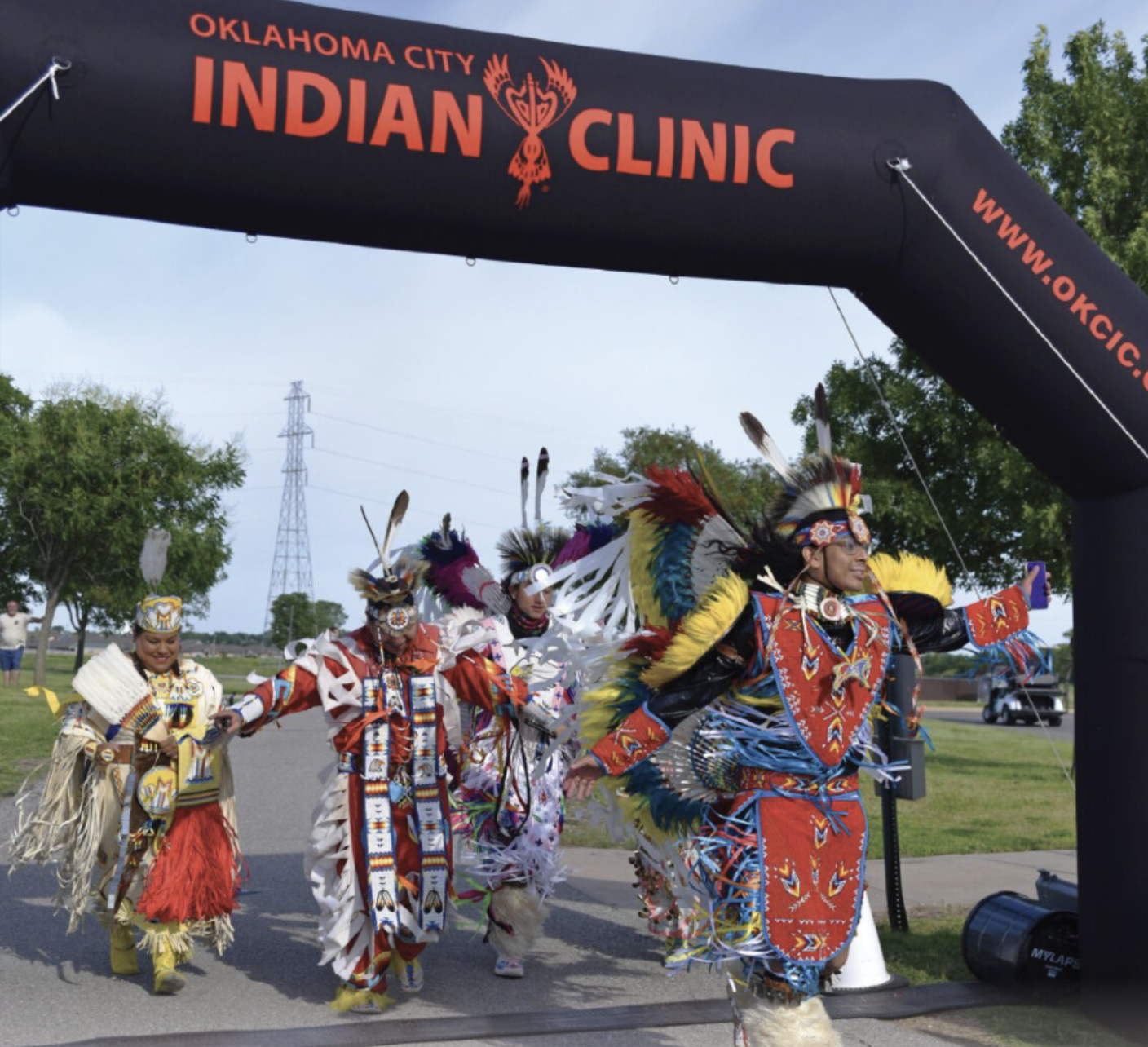
For Robyn Sunday-Allen, Chief Executive Officer of Oklahoma City Indian Clinic (OKCIC), that responsibility is central to understanding what stable funding makes possible.
“Cancer isn’t something you can simply put on hold until funding is restored,” she says. “The disease doesn’t pause when the healthcare system has a disruption.”
A postponed procedure or unavailable referral can leave someone waiting for answers while the clinic works to connect them with care. When local capacity or coverage is unavailable, patients may need to travel farther, making the next step harder to reach.
The National Council of Urban Indian Health’s (NCUIH) 2024 Policy Assessment documents the investments behind that care [2]. Participating UIOs described using grants for cancer screening and genetic testing and partnering with a university hospital system to offer screening and referrals. One UIO reported spending $250,000 to create a dedicated space for screening patients. Expanding access requires investment in facilities, partnerships, and follow-up care.
Sustaining care also requires policy decisions that support the organizations providing it. The IHS has been historically underfunded [1]. In its February 2025 testimony to the Senate Committee on Indian Affairs, NCUIH called for protecting IHS funding and Medicaid, maintaining advance appropriations to reduce funding disruptions, and moving toward mandatory IHS funding [1]. It also sought permanent 100% federal reimbursement to states for Medicaid services provided to eligible Native patients at UIOs to support funding parity within the Indian health system.
In March 2026, Sunday-Allen, on behalf of NCUIH, urged Congress to protect IHS funding, provide $106 million for Urban Indian Health for fiscal year 2027, and maintain advance appropriations until mandatory funding is achieved [4]. NCUIH’s testimony also highlighted OKCIC’s growing cancer caseload and urged Congress to protect Native cancer funding. These requests connect federal funding decisions to clinics’ ability to maintain services and support patients across the continuum of care.
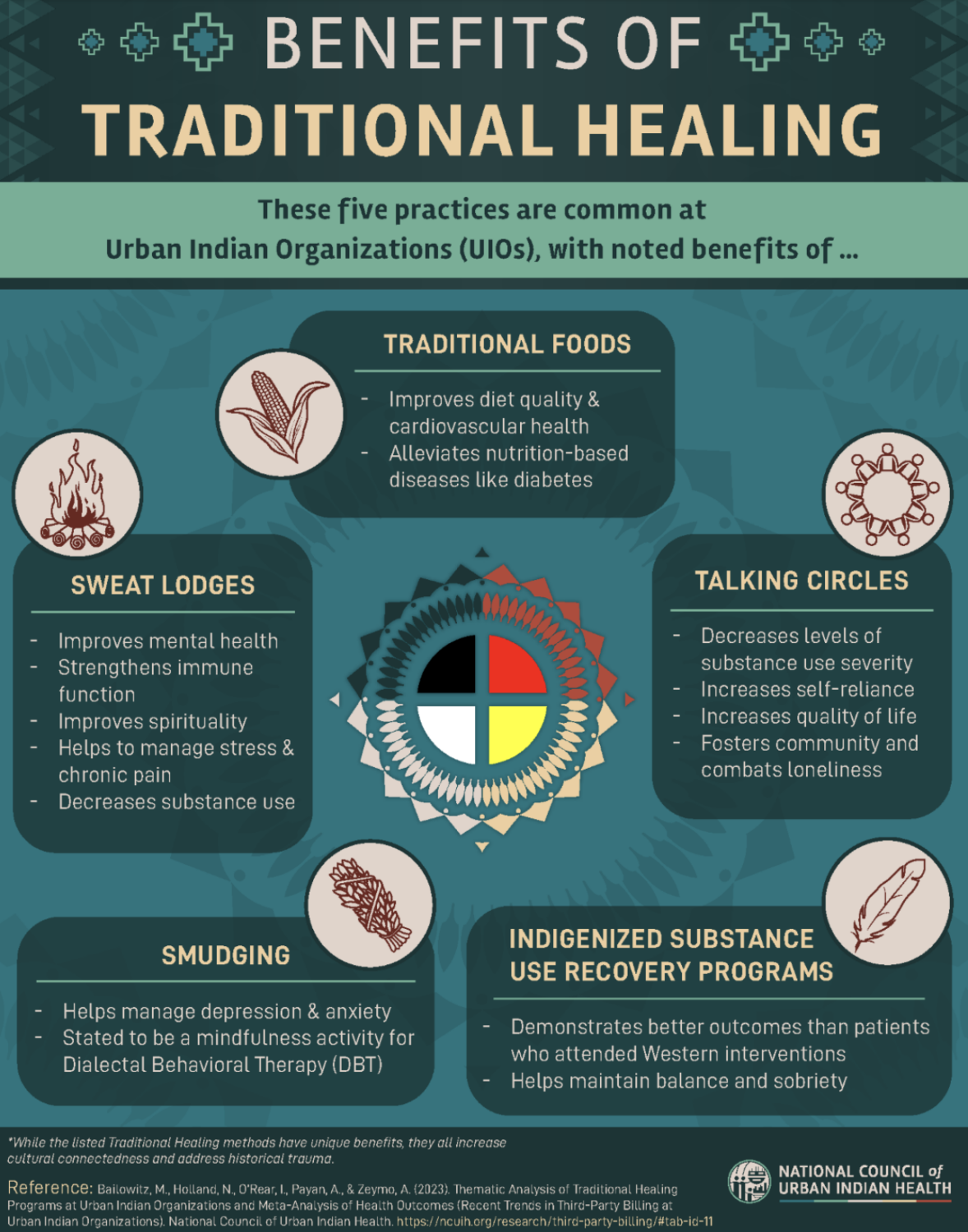
Sustaining culturally relevant care also requires resources for staff, coordination, and the traditional healing services patients choose. NCUIH’s 2023 report on traditional healing at UIOs describes traditional healers coordinating with medical providers and some UIOs offering smudging—a ceremonial practice involving the burning of sacred plants for cleansing and prayer—before medical visits or surgery [3]. The report emphasizes patient choice and recognizes that practices differ across Tribes. These approaches illustrate how health services can respect patients’ identities and chosen healing practices alongside clinical care. To learn more about traditional healing and download the infographic below, visit https://ncuih.org/traditional/.
Cancer awareness must therefore extend beyond encouraging people to get screened. Patients need help understanding abnormal results and navigating what follows. Screening, diagnosis, treatment, and survivorship form a continuum of care, and the connections between those stages deserve attention and sustained funding.
Sunday-Allen puts that responsibility plainly: “We need systems that reliably carry patients from an abnormal result through diagnosis, treatment, and survivorship.”
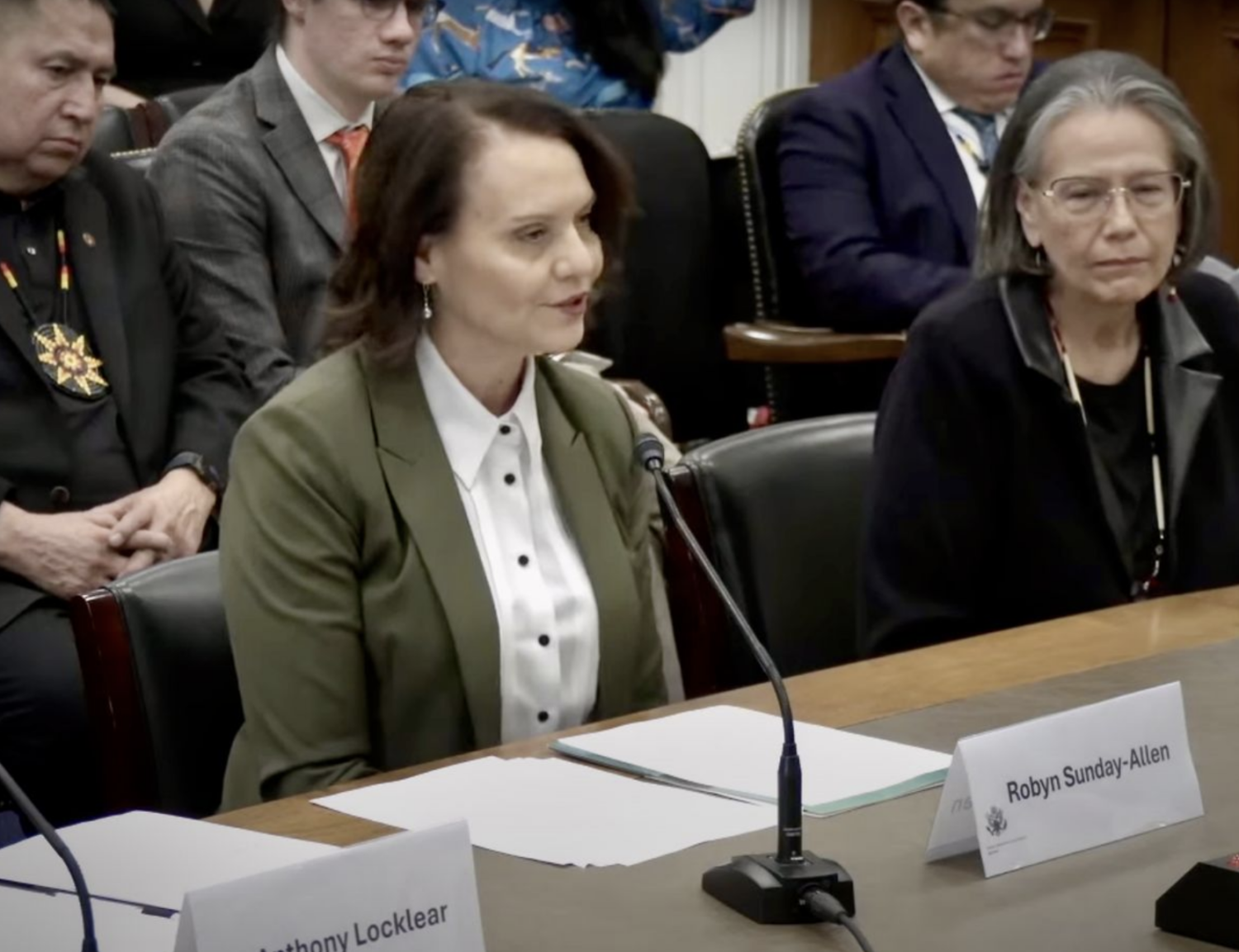
“Native cancer disparities are not inevitable, but addressing them requires all of us to act earlier and work together,” Sunday-Allen says.
That shared responsibility is at the heart of “Keep Your Circle Strong.” Families, communities, and UIOs need support to remain present for people affected by cancer. Stable funding helps care teams follow up on abnormal results, coordinate referrals, and stay connected with patients as their needs change.
For Sunday-Allen, success extends beyond the appointment: “It’s to help them live better, maintain their strength and function, and have the opportunity to be there for their families and communities.”
Sources
[1] NCUIH. Written Testimony on Protected Indian Health Service Funding and Indian Health Programs. March 17, 2025.
[2] NCUIH. 2024 Policy Assessment. 2024.
[3] NCUIH. Recent Trends in Third-Party Billing at Urban Indian Organizations: Traditional Healing Programs and Health Outcomes. 2023.
[4] NCUIH. NCUIH Submits Written Testimony Urging House to Protect Funding of Indian Health Service and Urban Indian Health. March 13, 2026. https://ncuih.org/2026/03/13/ncuih-submits-written-testimony-urging-house-to-protect-funding-of-indian-health-service-and-urban-indian-health/