Cancer Care That Knows Us
Robyn Sunday-Allen on culture, connection, and cancer care at Oklahoma City Indian Clinic
Cancer care reaches into everyday life. A screening appointment may mean arranging a ride or taking time away from work. A diagnosis can bring questions about treatment, family responsibilities, and what the coming months will hold. People deserve care that helps them navigate those concerns and respect what matters to them.
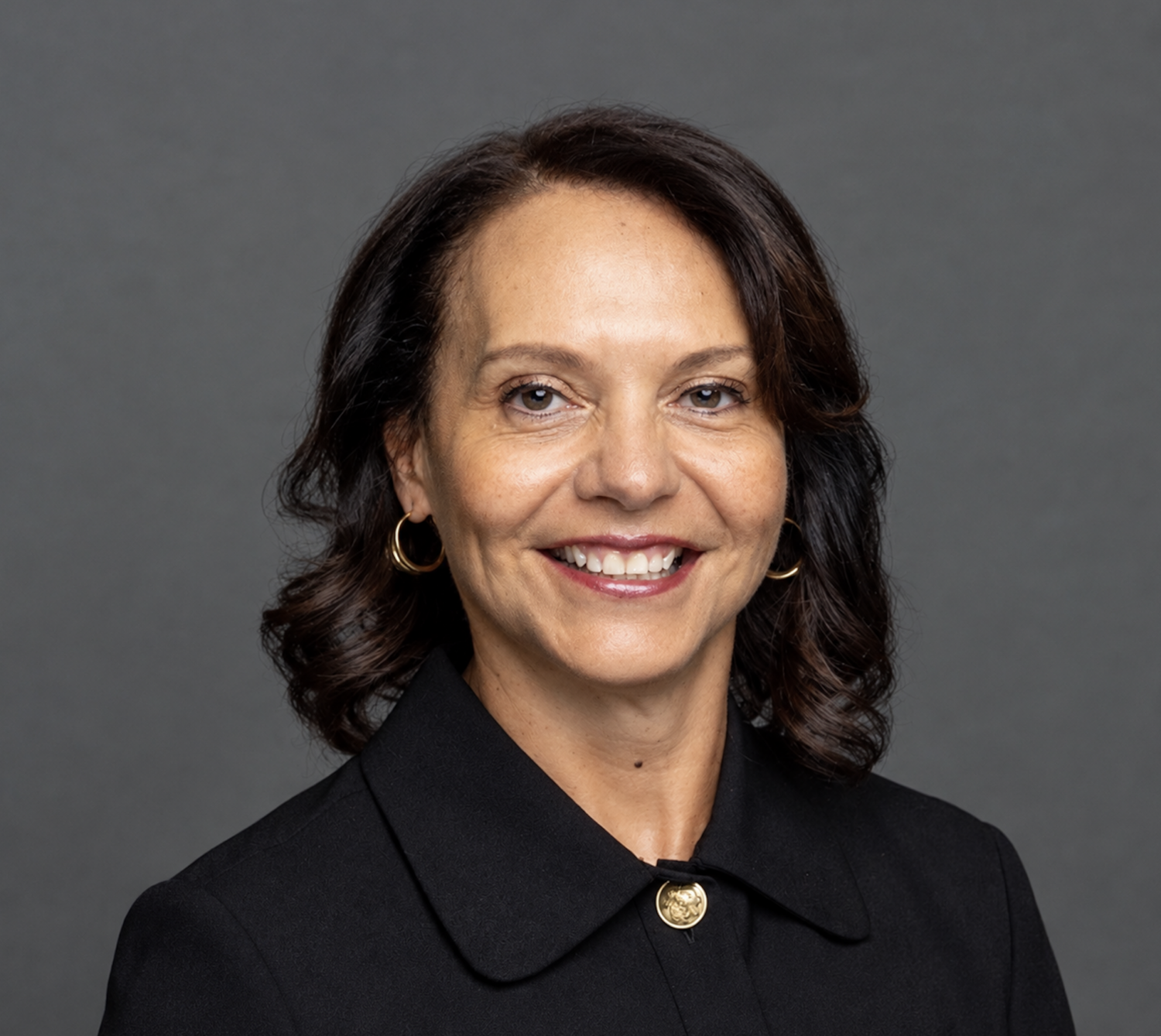
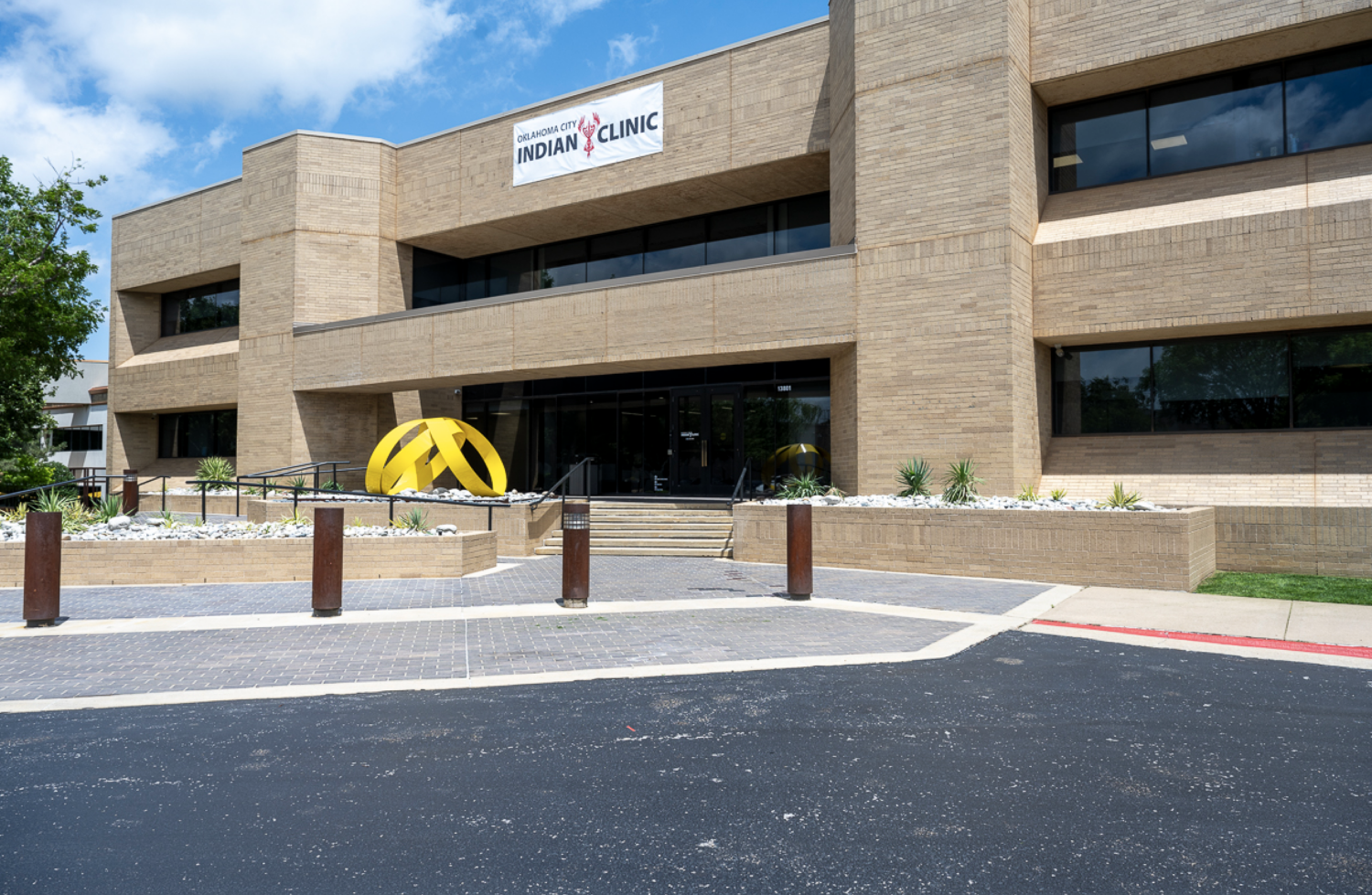
For Robyn Sunday-Allen, a citizen of the Cherokee Nation and Chief Executive Officer of Oklahoma City Indian Clinic (OKCIC), that responsibility shapes how her team approaches cancer care.
“Culturally relevant cancer care starts with recognizing that we’re caring for the whole person, not simply treating a diagnosis,” she said.
Her perspective comes from an Urban Indian Organization (UIO) and the American Indian and Alaska Native (AI/AN) patients it serves. Experiences with cancer vary across Tribal Nations, communities, and families, yet recurring barriers connect many of their stories. For example, research indicates that AI/AN cancer patients and survivors in urban and rural communities in the Southwest experience shared difficulties with transportation, access to services, and culturally appropriate care [1].
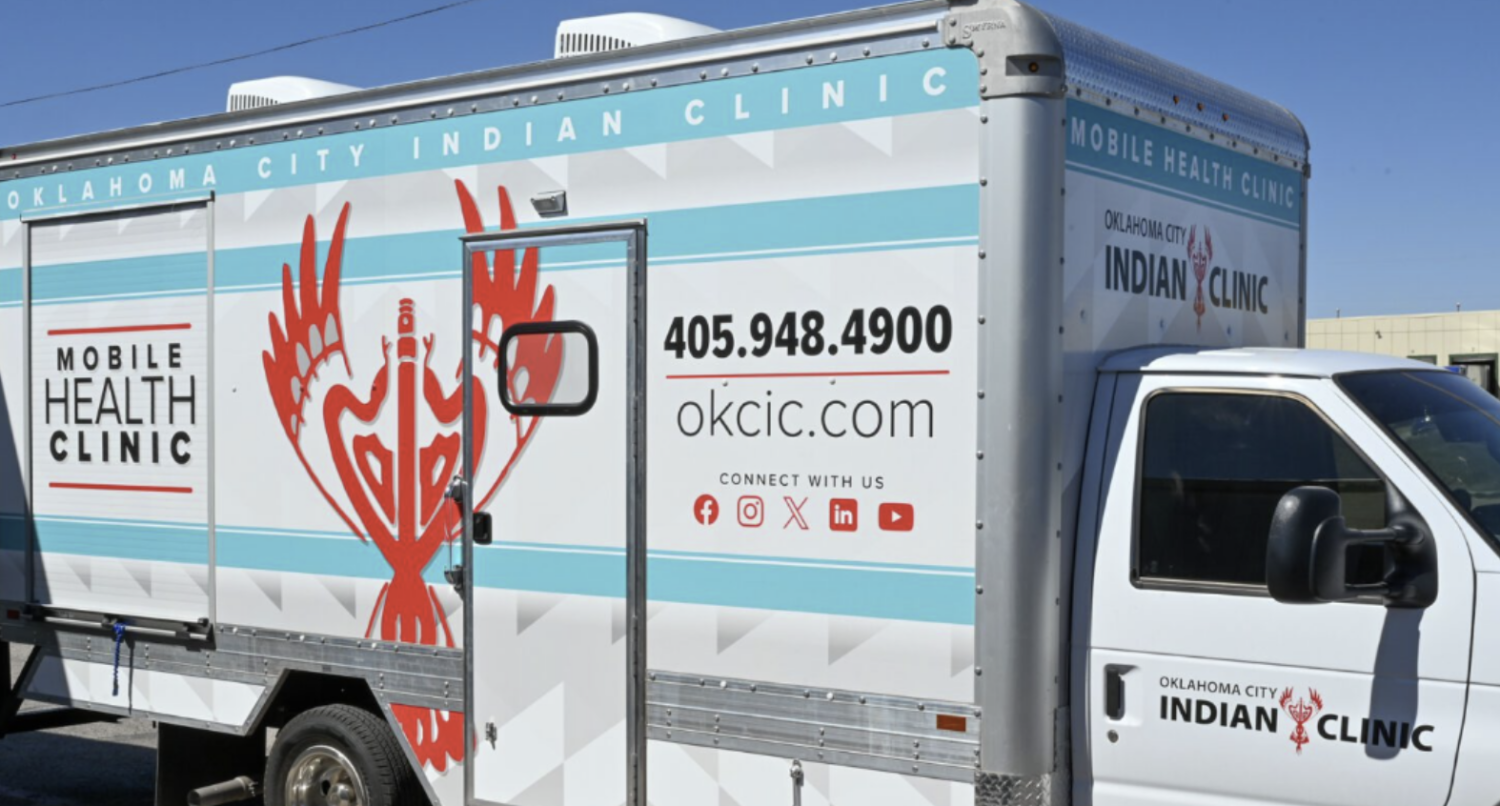
Sunday-Allen’s experience is featured in Keep Your Circle Strong, a Native American Heritage Month campaign from the National Council of Urban Indian Health (NCUIH) and the American Cancer Society Cancer Action Network (ACS CAN). The campaign recognizes the family, community, and UIO support surrounding people affected by cancer, and the resources those circles of care need.
Care that makes room for the whole person
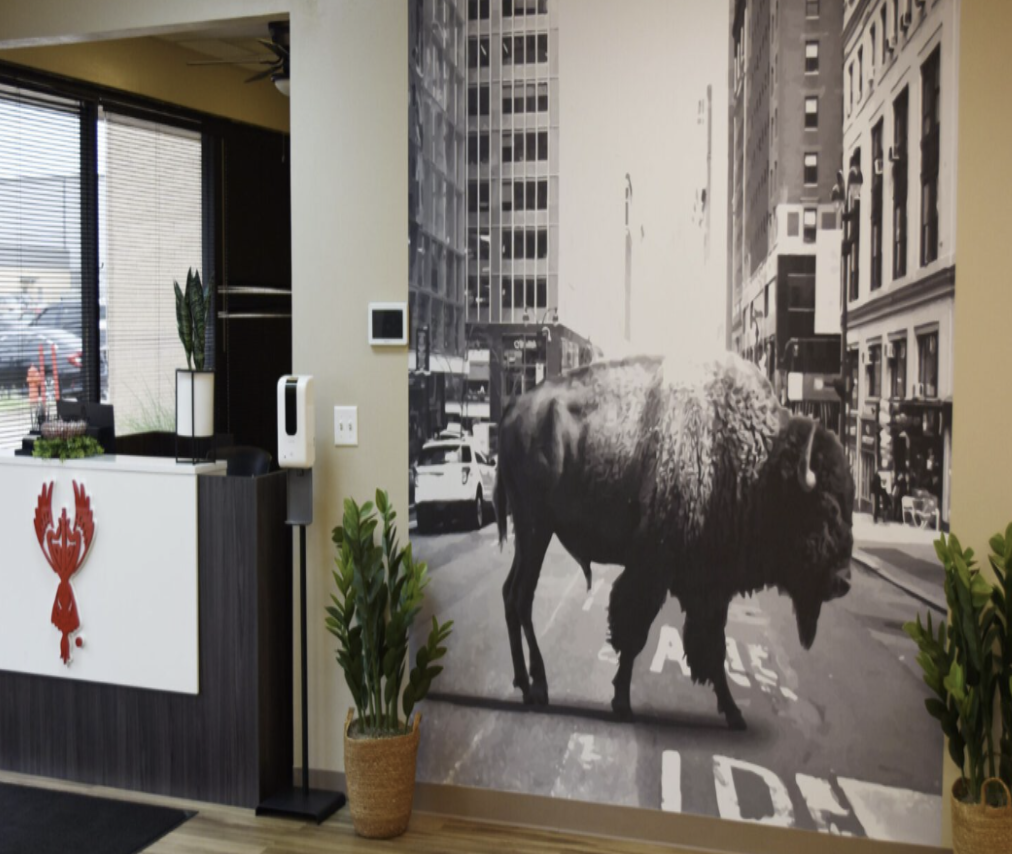
At OKCIC, cultural preferences are part of the conversation from the beginning. During intake, staff ask whether there are cultural or traditional practices they should consider when providing care. Sunday-Allen described that question as a way to build trust and understand what matters to each patient.
“Patients need to feel that their identity and their culture are respected, and they aren’t being asked to leave those things at the door when they enter the health system,” she said.
That approach includes space to discuss traditional healing practices and how to coordinate them safely with conventional treatment. It also includes attention to the physical and emotional demands of cancer care.
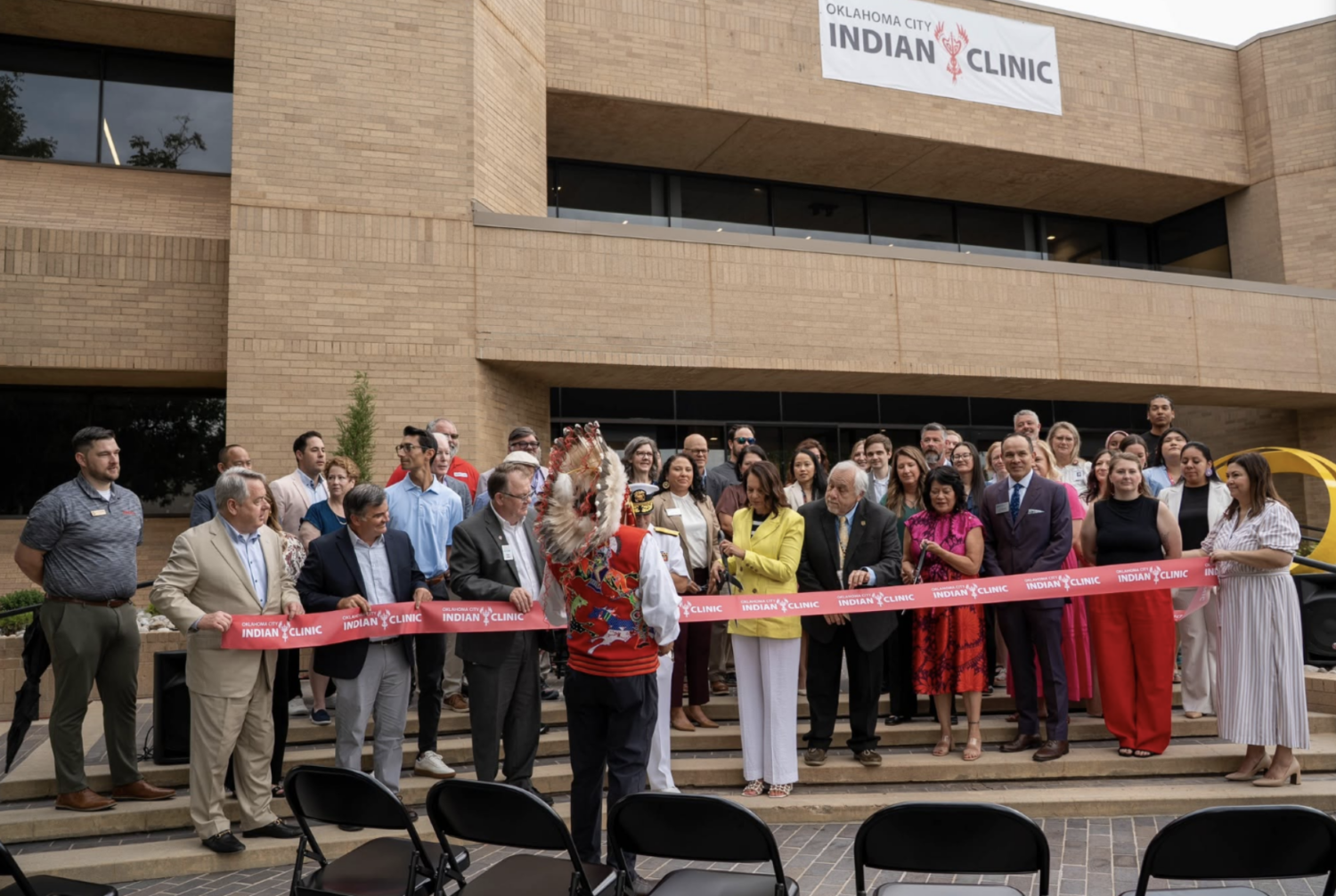
The clinic’s Medical Fitness program is expanding into cancer care and prehabilitation, which supports patients as they prepare for treatment. Its goals include maintaining a patient’s strength, mobility, and quality of life before, during, and after treatment. For someone living with cancer, preserving the ability to carry out daily activities can itself be a meaningful goal.
Understanding the need for connected care
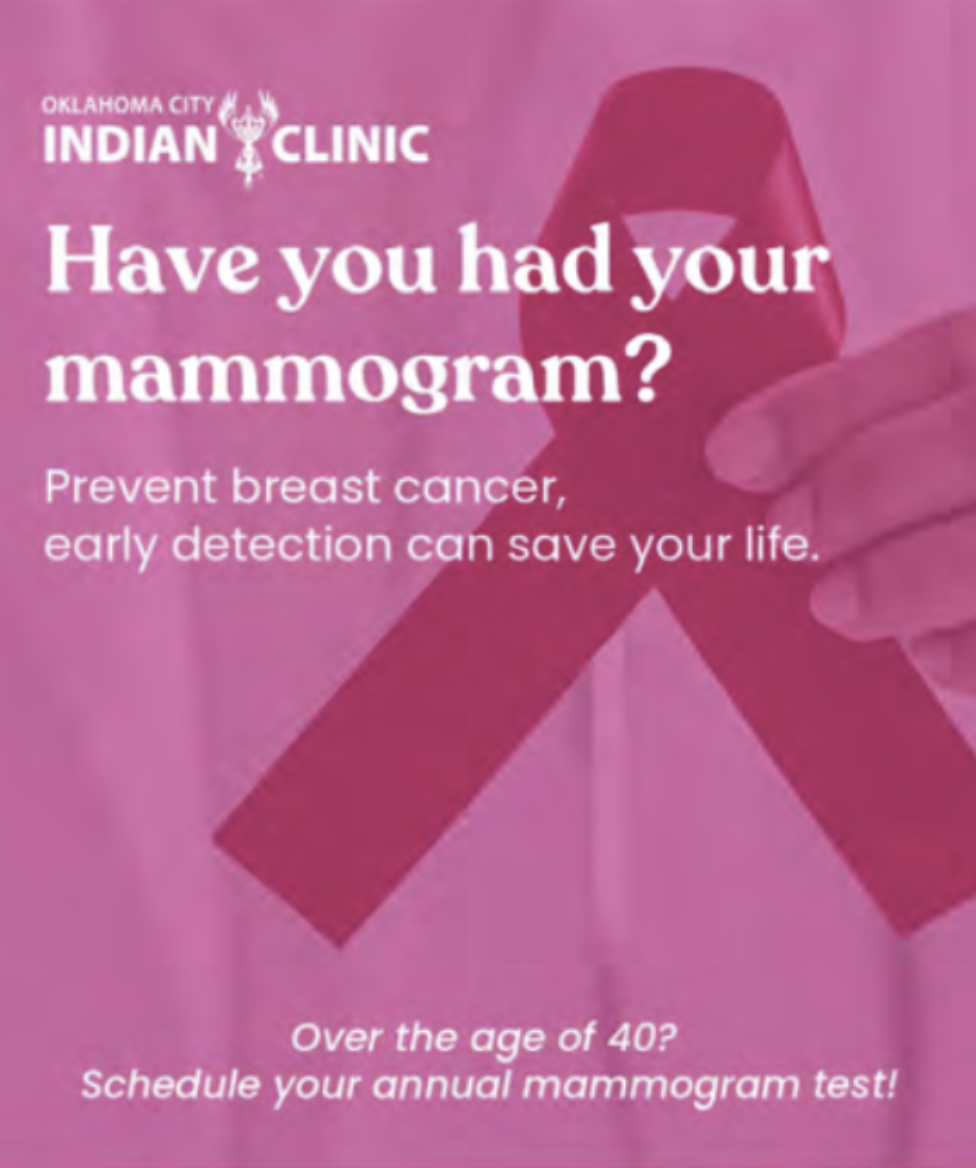
Cancer was the second leading cause of death among non-Hispanic AI/AN people in 2024, according to the Centers for Disease Control and Prevention [2]. At OKCIC, Sunday-Allen reports approximately 15 to 20 new cancer diagnoses each month. Breast cancer is the most frequent diagnosis in the clinic’s cancer care program.
“Behind every diagnosis is a patient and a family,” she said.
Responding to that need means supporting the full continuum of cancer care: prevention and screening, diagnostic follow-up, treatment, and survivorship. Emotional support, symptom relief, and help with daily life may be needed throughout.
Sunday-Allen describes a clinic working across that continuum. OKCIC has strengthened screening programs, built referral relationships, and developed a cancer registry to better understand diagnoses by age, gender, and Tribal affiliation. The aim is to connect what the clinic learns about its patients with the services they need.
Sunday-Allen’s commitment is also personal. Her auntie, who was like a big sister to her, passed away from colorectal cancer at 52. That loss continues to shape her determination to help other families access screening and care.
She connects that commitment to stable federal funding for Indian health care. For UIOs, that includes support through the Indian Health Service’s Urban Indian Health Program, which funds health care and referral services. Sustaining that support helps clinics maintain the staff and services patients rely on as they move from screening through diagnostic follow-up, treatment, and survivorship. Congress can support continuity of care by providing stable, adequate funding for Indian health programs.
“Cancer isn’t something you can simply put on hold until funding is restored,” she said.
For Sunday-Allen, the goal of delivering culturally relevant cancer care includes supporting the life people want to keep living with those around them:
“It’s to help them live better, maintain their strength and function, and have the opportunity to be there for their families and communities.”
Sources
[1] Itty, T. L., Hodge, F. S., & Martinez, F. (2014). Shared and unshared barriers to cancer symptom management among urban and rural American Indians. The Journal of Rural Health, 30(2), 206–213. https://doi.org/10.1111/jrh.12045.
[2] Centers for Disease Control and Prevention. (2026). Health of American Indian or Alaska Native population. National Center for Health Statistics. https://www.cdc.gov/nchs/fastats/american-indian-health.htm.