NCUIH CEO Francys Crevier Testifies on Importance of Native Health Care
On March 17, 2026, National Council of Urban Indian Health (NCUIH) CEO Francys Crevier testified before the House Appropriations Subcommittee on Interior, Environment, and Related Agencies, urging full funding for urban Indian health and the Indian Health Service (IHS).
What They’re Saying: Congressional Support for Strengthening Indian Health Services
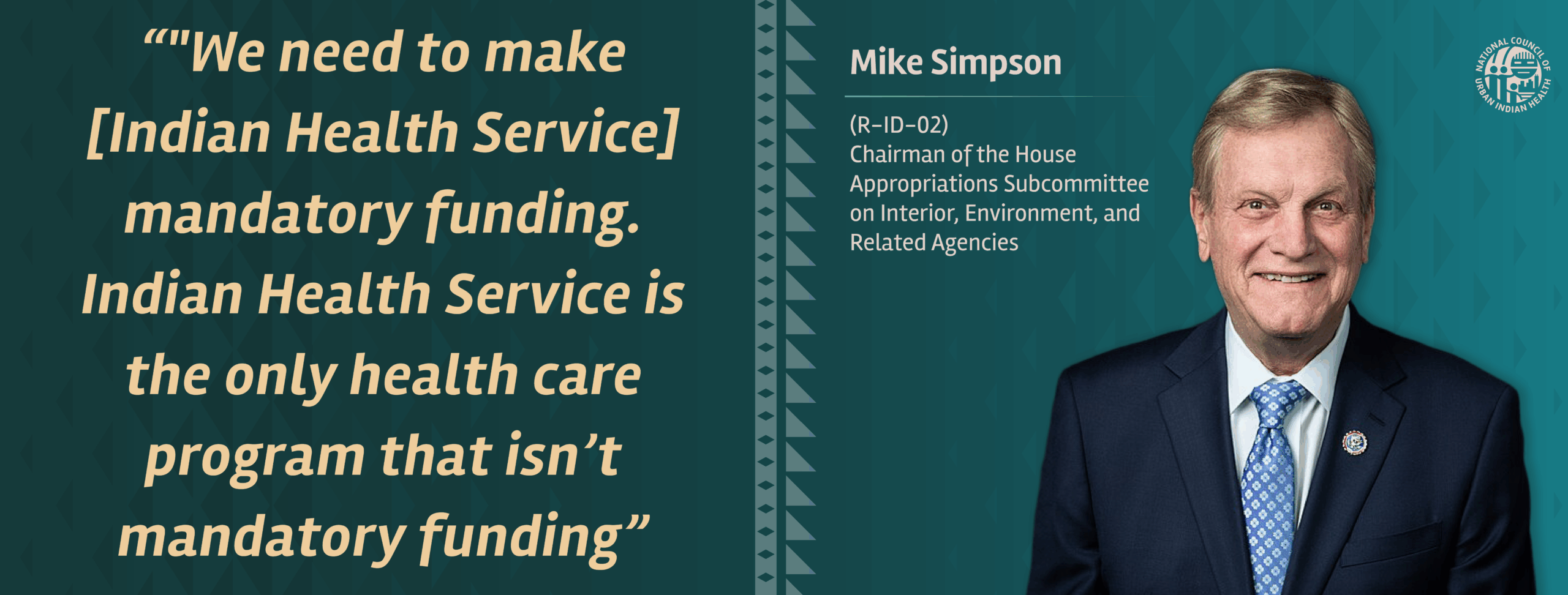
Interior Subcommittee Chairman Mike Simpson (ID-02-R) reaffirmed the committee’s commitment to advancing progress in Indian health care, “Indian Country has been and will continue to be a bipartisan priority for this community.” He also emphasized the importance of protecting and maintaining stable funding for IHS. “We are not going back on that [advance appropriations]. We need to make it mandatory funding. Indian health service is the only health care program that isn’t mandatory funding”
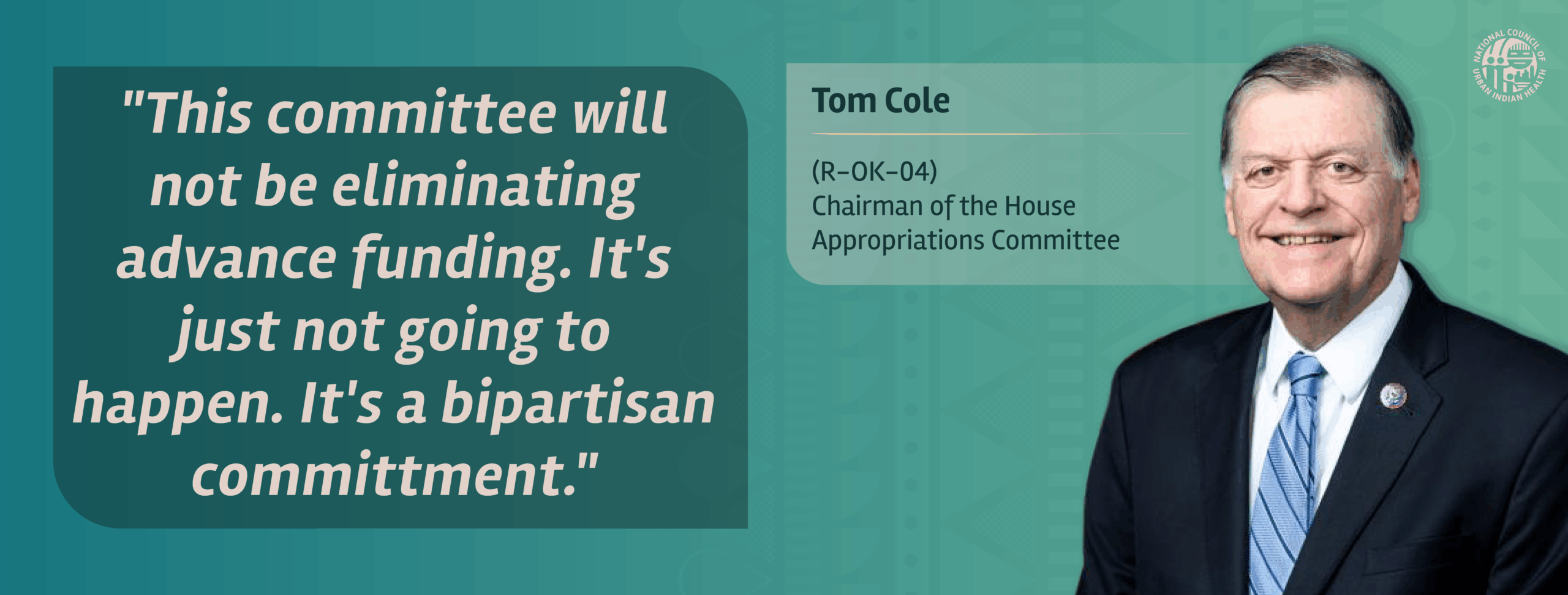
Appropriations Committee Chairman Tom Cole (OK-04-R) similarly highlighted the committee’s commitment to maintaining advance appropriations. “This committee will not be eliminating advance funding. It’s just not going to happen. It’s a bipartisan commitment.”
Why It Matters: The Urgency of Action
Protecting the Entire Indian Health System
- Responsible Stewardship and the Case for Increased Investment
Ms. Crevier highlighted the Oklahoma City Indian Clinic as a model of what responsible federal investment in Urban Indian Health looks like. Roughly half of every dollar the clinic spends goes directly to preventative care, and six out of the clinic’s top ten diagnoses are preventative care diagnoses. Ms. Crevier emphasized that this is exactly why increased investment pays off — and called on Congress to fully fund IHS and fund Urban Indian Health, maintain advance appropriations, and protect IHS funding from any cuts, sequestrations, or funding freezes. As she testified, these are “not new asks — they are overdue asks.” - Cancer: Rising Concern in Indian Country
Ms. Crevier underscored the alarming rise in cancer rates in Indian Country. She highlighted that the Oklahoma City Indian Clinic is now diagnosing over 20 new cancer cases every single month. In response, the clinic has hired a full-time oncology nurse case manager and a part-time oncologist. Ms. Crevier urged Congress to protect funding for programs like the Native American Cancer Outcomes Program, which she described as more critical than ever. - A Growing Behavioral Health Crisis Demands Action
Ms. Crevier testified to a growing behavioral health crisis unfolding inside Urban Indian clinics, where they have seen a surge in anxiety and depression, disproportionately affecting young Native people. She noted that while clinics are not traditionally equipped for robust behavioral health services, patients are coming to them anyway, and demand is outpacing available resources. Ms. Crevier called on Congress to protect SAMHSA programs like Native Connections, which plays a critical role in addressing Native youth suicide, and urged the committee to include Urban Indian Organizations in the Behavioral Health Pilot Program established this year.
Next Steps
NCUIH will continue to advocate for protecting and fully funding the Indian Health System–including UIOs, Tribes, and IHS—so that no Native person goes without life-saving care. NCUIH stands ready to work with Congress and federal agencies to ensure that all Native people have consistent, high-quality health care.